


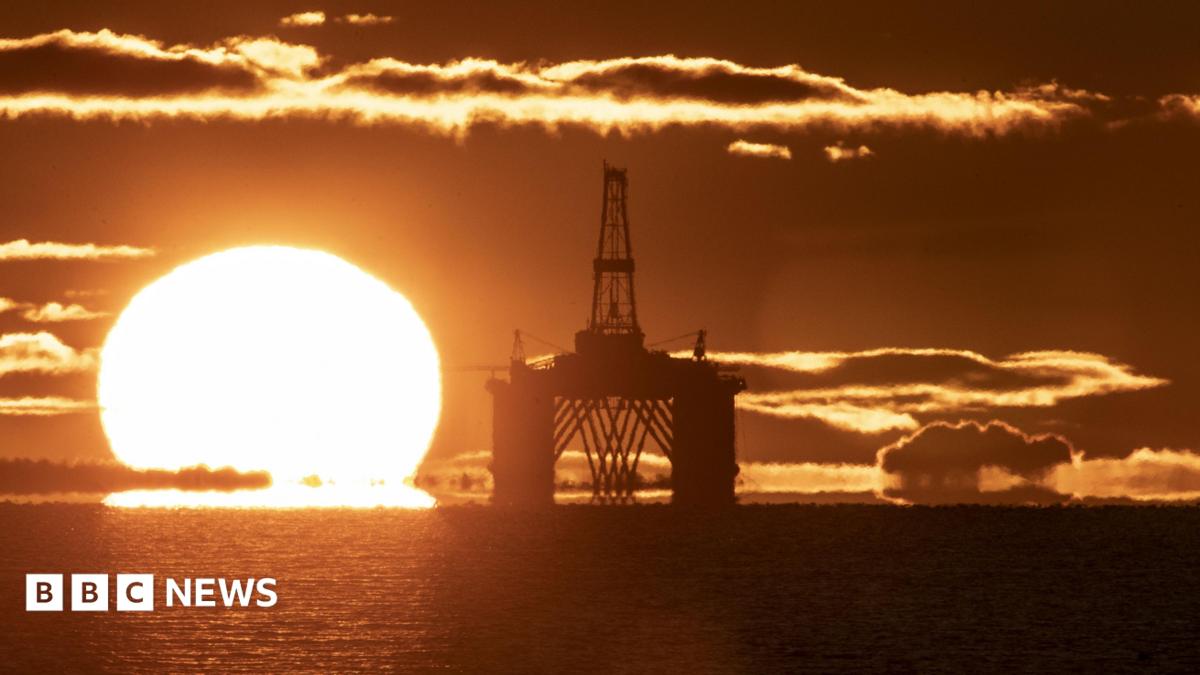
Alternatives for Burnham include eliminating the Energy Profits Tax (EPL), often referred to as a windfall tax, which was enacted when energy prices surged due to Russia’s invasion of Ukraine.
The current headline rate for this tax stands at an imposing 78%, applicable irrespective of fluctuations in oil and gas prices.
The energy sector argues there is substantial evidence indicating a decline in investments recently, with the North Sea becoming one of the least attractive regions for investors globally.
This tax is expected to be replaced by a new windfall tax in 2030, a model preferred by businesses as it activates only during high prices and retracts when they drop.
Politicians are engaged in heated discussions about key projects like Jackdaw, Rosebank, and new exploration licenses, but the EPL is where the industry seeks the most focus from the new chancellor.
This approach is also likely to face minimal opposition from environmental advocates.
This strategy aligns with one of Andy Burnham’s key objectives: to revitalize the economy by fostering investments that create and secure jobs.
However, it may not be the most attention-grabbing option politically.
His decisions in this realm could ultimately shape whether the new prime minister focuses on making headlines or takes significant steps to invigorate the economy.
Source: www.bbc.co.uk