


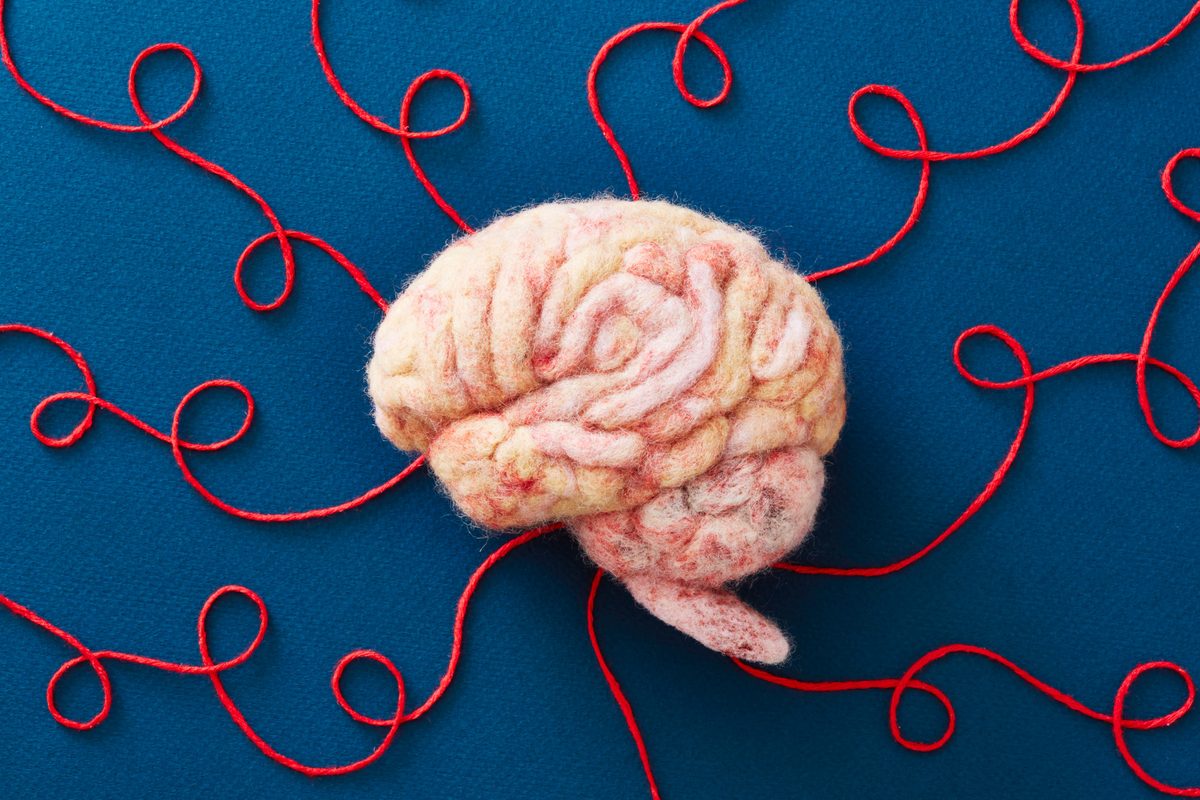
Many people think that our experiences are stored in the brain like video recordings, allowing us to play back our memories on demand. However, psychologists have long understood that memory works differently.
In the 1930s, British psychologist Sir Frederick Bartlett asked volunteers to recall a Native American story titled Ghost Battle over several weeks and months.
Bartlett observed that each retelling became less supernatural and more simplistic, resembling a traditional Western narrative. Ultimately, participants remembered a transformed version of the story instead of the original.
Recent studies support this notion. For instance, in some laboratory experiments, participants were asked to recall the locations of objects displayed on a computer screen.
If they incorrectly memorized the position of an object in a new context, that error became part of their memory. From that point onward, they remembered the object in the incorrect position, even when tested against the original context.
This phenomenon occurs because memory is a reconstructive process, making it highly malleable during recall—something psychologists refer to as “unstable.”
Each time we evoke a memory, we don’t just retrieve it; we recreate and edit it, potentially incorporating new information and beliefs. This newly crafted version becomes what we remember.
Consider your memory of your first day at school. Due to this reconstruction process, when you reflect on that pivotal day, your memory may not accurately reflect the original experience.
Each time you recalled that day, you might have unconsciously edited your memory, influenced by later experiences at school. If your school journey was joyful, your first-day memory could be tinted with positivity. Conversely, if you had a difficult time, it may cloud that memory with negativity.
While the malleability of memory can be unsettling, it also provides the chance to reframe distressing memories and alleviate fears.
A process known as retrieval-induced forgetting illustrates this concept—when you focus on one aspect of a memory, the details you ignore grow weaker.
A study published in October 2025 showcased how we can use this technique to overcome fears tied to past negative experiences.
For instance, if you’ve faced a challenging job interview, revisiting that experience while emphasizing the positives can help diminish the weight of the negative aspects, boosting your confidence for the next opportunity.
This article addresses the question from Molly Tucker of Preston: “Do we really remember events, or are we just memories of them?”
For inquiries, please reach out to us at: [email protected] or send us a message on Facebook, Twitter, or Instagram. Be sure to include your name and location.
Discover our ultimate collection of fun facts and explore more amazing science content.
Read more:
Source: www.sciencefocus.com