


Neanderthal Injury May Be First Evidence of Sharp Wooden Spears in the Prehistoric Middle East
Archaeologists have identified a possible Neanderthal injury at Shanidar A, a cave where excavations in the 1950s uncovered the remains of at least 10 Neanderthals.
A Possible Wooden Spear Injury
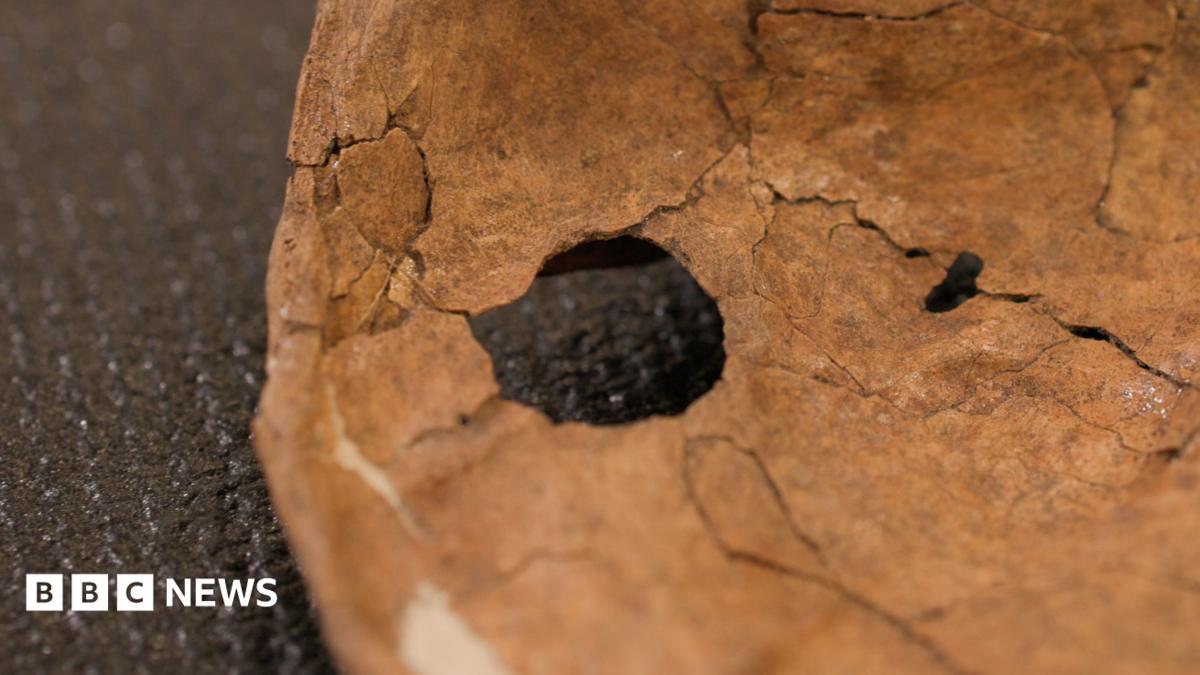
Pomeroy said the scar is believed to be the first evidence of the use of sharp wooden spears in the prehistoric Middle East.
“It’s so cyclical that it’s not a natural break,” she says. “Experiments with reconstructed wooden spears produced round holes that looked very similar to bone.”
However, the injury does not provide conclusive proof of interpersonal violence. It could have resulted from friendly fire or a hunting accident.
Was the Neanderthal Attacked?
Professor Chris Stringer from London’s Natural History Museum, who was not involved in the study, told BBC News that an attack by a rival was a more plausible explanation.
“Researchers have not determined whether this was the result of a hunting accident or interpersonal violence, but in my opinion, given the location and extent of the injury, the latter seems more likely.”
Evidence of Neanderthal Violence
The discovery echoes an earlier find in the same cave in 1957. That site included another Neanderthal who lived more recently, about 50,000 years ago. Their ribs showed signs of partially healed wounds, which archaeologists believe were probably caused by stone-tipped spears.
It is not known whether these Neanderthals were injured by allies or killed by adversaries while hunting. However, they add to a small but growing body of evidence suggesting that human-on-human violence may have been more common—and may have begun earlier—than current scientific consensus suggests.
“Unfortunately, I see a growing body of evidence that shows that interpersonal violence goes back deep into human prehistory,” Stringer told BBC News.
Source: www.bbc.co.uk