


NASA SCoPE Helps ASU Planetary Science Interns Build Science Communication Skills
The NASA Science Mission Directorate (SMD) Community of Practice for Education (SCoPE), part of the NASA Science Activation (SciAct) program portfolio, helps Earth and space science experts share research with diverse audiences. Through support from SciAct education specialists, NASA-funded researchers and small businesses can communicate complex science in clear, effective, and engaging ways.
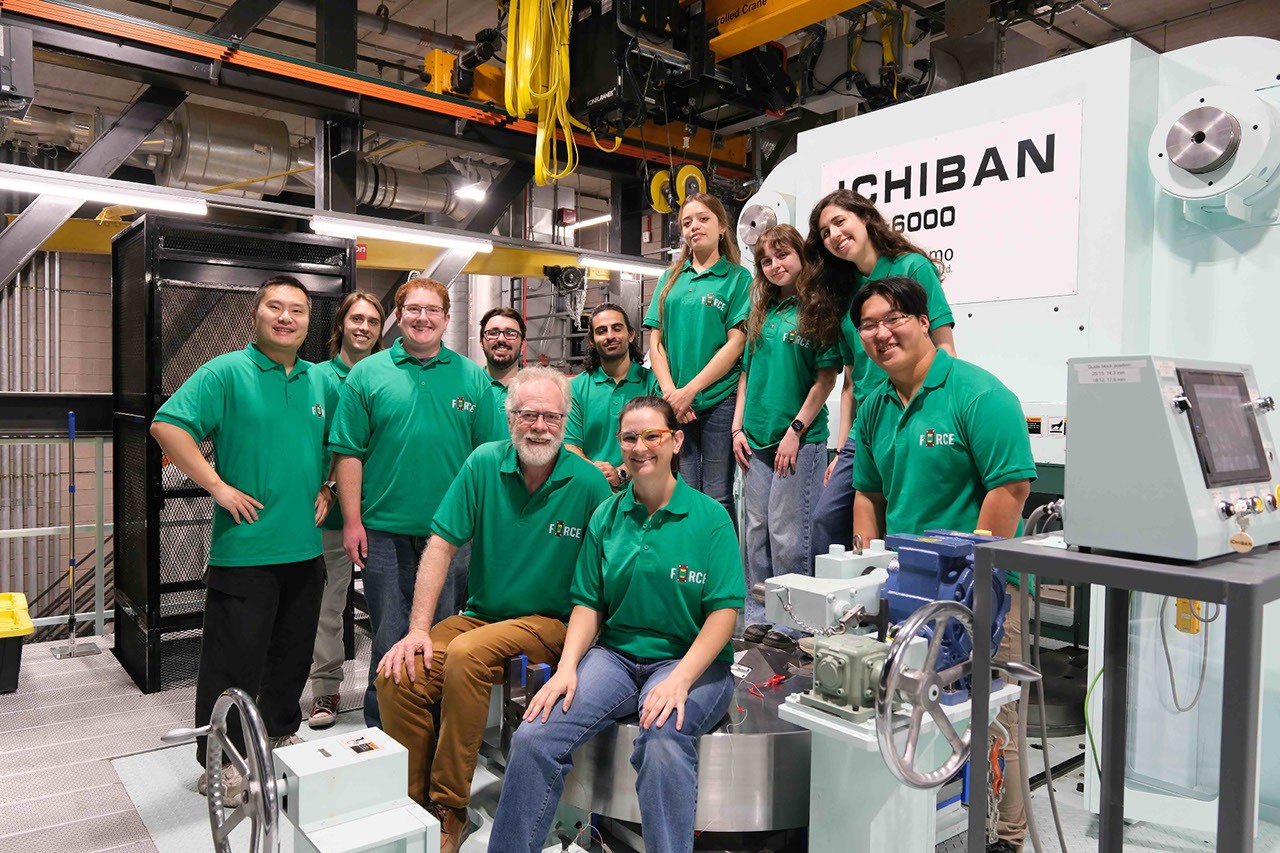
In summer 2026, NASA SCoPE partnered with Arizona State University’s Open Research Facility in Compressed Environments (FORCE) summer school to help seven undergraduate interns strengthen their science communication skills. The training prepared students to share planetary science research with both scientific peers and members of the public.
FORCE is a world-class research laboratory that uses high-pressure experimental equipment to recreate the extreme conditions found deep inside Earth and other planetary bodies. By studying materials under enormous pressure, researchers gain valuable insights into how planets form, evolve, and behave.
As part of the summer school, NASA SCoPE hosted two hands-on workshops on June 25 and 26, followed by office hours the next week. The sessions helped interns transform technical research into compelling stories for non-expert audiences. Training topics included identifying key research themes, developing clear science messages, planning effective visitor interactions, and preparing for the logistics of public engagement.
The interns also received guidance on creating research posters and designing individual outreach stations. These activities helped them explain complex planetary science concepts in accessible and engaging ways.
The science communication training culminated in two outreach events. During the FORCE Open House, approximately 50 community members toured the laboratory, met research teams, and explored specialized equipment used to simulate the interiors of Earth and other planets. Visitors also interacted with interns at themed outreach stations that explained the science behind the experiments.
The second event was a research poster session for ASU faculty, staff, and students. The session gave interns an opportunity to present their findings, discuss their research with the university community, and receive valuable feedback on their scientific presentations.
By integrating science communication training into the FORCE summer school, NASA SCoPE helped emerging planetary scientists develop practical skills for engaging professional and public audiences. The open house and poster session demonstrated how effective communication training can build researcher confidence, strengthen community connections, and expand the impact of cutting-edge planetary science.
NASA SCoPE is supported by NASA Cooperative Agreement Award Number 80NSSC21M0006. The program strengthens the NASA Science Activation portfolio by connecting learners with authentic NASA science experiences through partnerships with educators, researchers, and community organizations.
Source: science.nasa.gov