


September Night Sky Guide: Venus, the Harvest Moon, Antares and Saturn
September brings a spectacular lineup of skywatching events. Use the Moon to find Antares and the Teapot, watch brilliant Venus shine after sunset, celebrate the September equinox, and see the Harvest Moon rise near Saturn and Neptune.
- September 14–20: Follow the Moon to find Antares and the Teapot constellation. Under dark skies, you may also glimpse the center of the Milky Way.
- September 18: Venus reaches peak brilliance and becomes the brightest object in the evening sky after the Moon.
- September 19: Celebrate International Observe the Moon Night and learn more about lunar science, exploration and culture.
- September 22: The September equinox marks the beginning of autumn in the Northern Hemisphere and spring in the Southern Hemisphere.
- September 26: The Harvest Moon rises near Saturn and Neptune in the eastern evening sky.
September Stargazing Highlights
The Moon joins a celestial “tea party,” Venus reaches its brightest, the seasons officially change, and the Harvest Moon meets its planetary neighbors. That is the plan for September’s night sky.
Use the Moon to Find Antares and the Teapot
From September 14 through 20, the Moon will help guide you to several famous celestial landmarks. About an hour after sunset, look toward the southern sky to find the Moon shining above the horizon.
Each evening, the Moon shifts position against the background stars, passing close to Antares. This bright, reddish star marks the heart of Scorpius, one of the most recognizable constellations in the summer and early autumn sky.
Nearby, look for the Teapot, a distinctive pattern of stars within the constellation Sagittarius. Its stars form the shape of a teapot, complete with a handle, lid and spout.
If you are viewing from a particularly dark location, you may notice a faint stream of light appearing to rise from the Teapot’s spout. This “steam” is part of the Milky Way. Follow it toward its thickest and brightest region, and you will be looking in the direction of the center of our galaxy.
Venus Reaches Peak Brilliance on September 18
On September 18, look toward the western horizon just after sunset to see Venus at peak brilliance. The planet will appear as a brilliant point of light, outshining the surrounding stars.
Venus is easy to find, but you will need a clear, unobstructed view of the western horizon. Watch soon after sunset, because the planet will set not long afterward. Never look directly at the Sun while searching for Venus.
Celebrate International Observe the Moon Night
On September 19, people around the world can take part in International Observe the Moon Night. This global event offers an opportunity to connect with our closest celestial neighbor while learning about lunar science, exploration and the Moon’s influence on cultures throughout history.
Find an event near you or learn how to participate from anywhere at go.nasa.gov/ObserveTheMoon.
The September Equinox Arrives on September 22
On September 22, autumn officially begins in the Northern Hemisphere, while spring begins in the Southern Hemisphere. This seasonal change is known as the September equinox.
During the equinox, the Sun is positioned directly above Earth’s equator, making daytime and nighttime approximately equal in length around the world. After the equinox, daylight hours gradually become shorter in the Northern Hemisphere and longer in the Southern Hemisphere.
See the Harvest Moon Near Saturn and Neptune
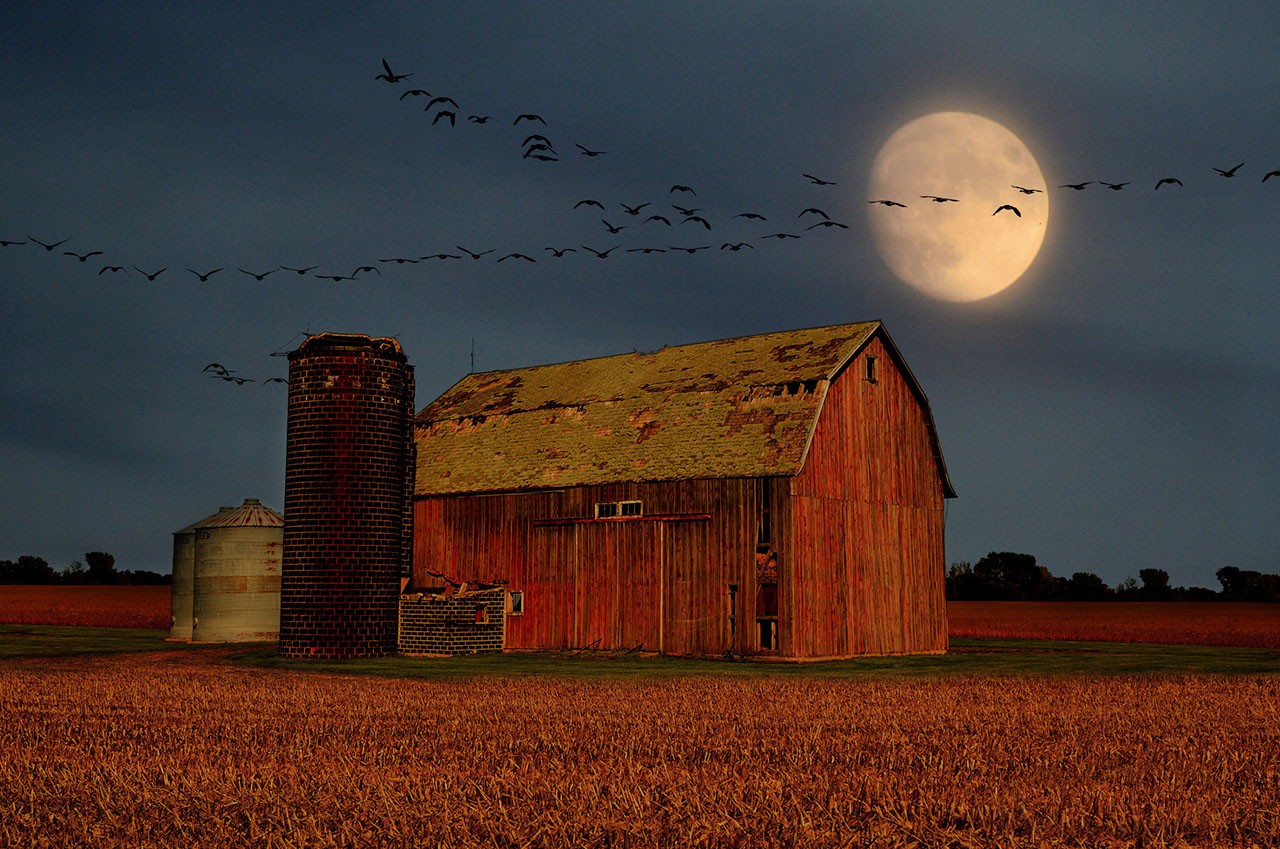
On September 26, the Harvest Moon takes center stage as it rises in the eastern sky shortly after sunset. The full Moon will appear near Saturn, while distant Neptune forms part of a wide triangle in the night sky.
Saturn is bright enough to see with the unaided eye. Neptune is much fainter, at approximately magnitude 8, so you will need binoculars or a telescope to find it. Dark skies and clear viewing conditions will give you the best chance of spotting this distant planet.
Moon Phases in September
September’s changing Moon phases provide excellent opportunities for observing the lunar surface, tracking the Moon’s movement across the sky and finding nearby stars and planets. Check a local skywatching guide for exact Moonrise times and visibility from your location.
NASA Science keeps you up to date on NASA missions exploring the solar system and beyond. I’m Raquel Villanueva from NASA’s Jet Propulsion Laboratory. This is this month’s What’s Up.
Source: science.nasa.gov