


Have you ever heard the incredible story of monkeys and Yorkshire puddings? In 2024, a macaque monkey made headlines worldwide when it escaped from a wildlife park in the picturesque Scottish Highlands.
This adventurous monkey feasted on peanuts and stale Yorkshire puddings, originally prepared for birds, remaining on the run for five days before being found in a nearby garden.
Research indicates that primates, particularly macaques, are among the most likely animals to escape from captivity. A recent analysis by the Washington Post explored news reports from around the globe, spanning the past 130 years.
The study counted 134 escape incidents, with 17 involving monkeys and apes. Notably, in 2024, 43 rhesus macaques escaped from a research facility in South Carolina, US.
These animals are adept at escaping not just from cages, but also from entire zoo and park grounds, similar to their behavior on mainland Japan.
Given the intelligence and agility of primates, it’s unsurprising they lead the list of escape artists. Other frequent escapees include felines (16 cases), bovids (15 cases, encompassing cows, buffalo, and bison), and birds (14 cases).
Birds, in particular, are notoriously challenging to recapture. A 2015 analysis of Australian zoo records from 1870 to 2010 found that birds were the most common escapees, accounting for nearly half of all vertebrate breakouts, with the lowest recovery rate.
Among the notable escapees is the flamingo named Pink Floyd, who flew away from its enclosure at Sedgwick County Zoo in Kansas in 2005 and adapted to life in the wild. It was last sighted in 2023 off the coast of Texas, over 800 miles away.
Zoo escapes captivate public imaginations, akin to underdog stories. The bravery of an animal’s quest for freedom mirrors themes from the classic 1994 film The Shawshank Redemption.
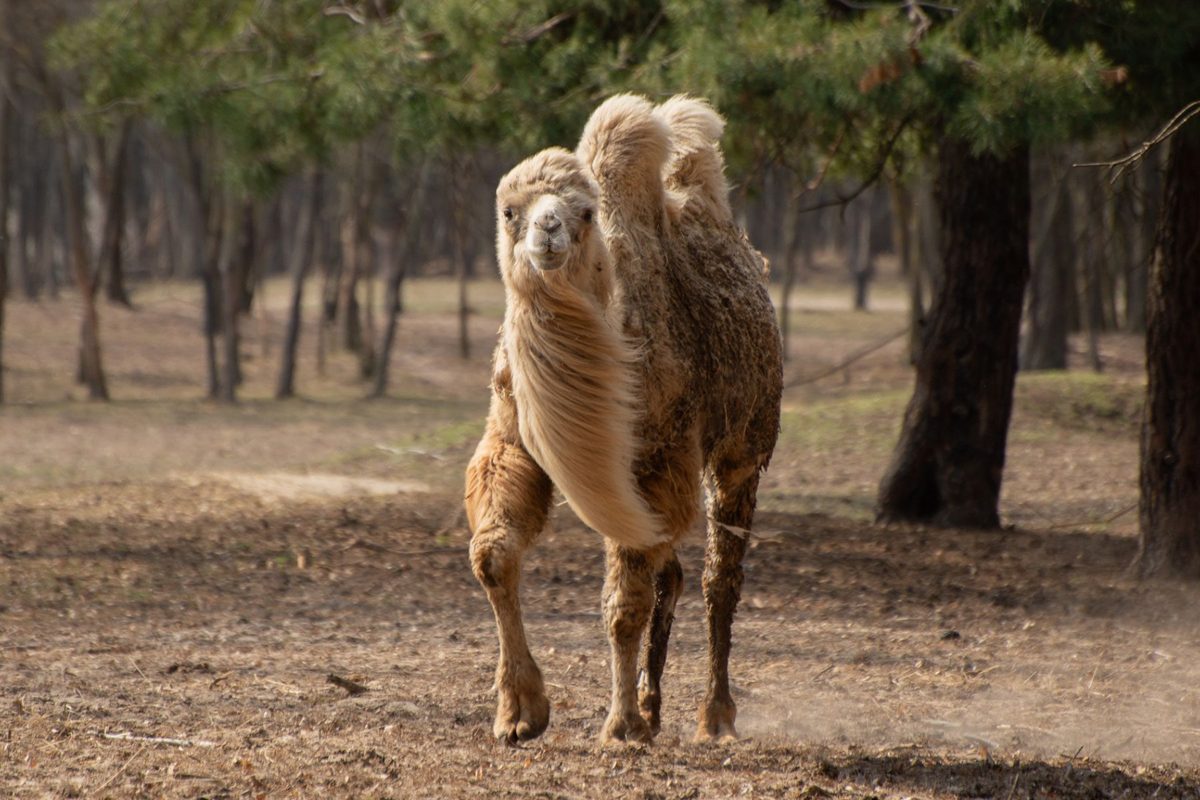
There’s also the thrill of spotting an exotic animal in an everyday setting, like when a camel escaped from a Kansas zoo and led police on a chase across golf courses and highways in 2021.
However, not all animal escapades are as lighthearted as depicted in the media. Escaped animals are often distressed, at risk of injury or death, and non-native species can disrupt local ecosystems.
When recapturing escaped animals, zoos often resort to tranquilizer darts, though dangerous animals that pose a threat to the public might be shot.
To mitigate such emergencies, zoos have comprehensive plans. For instance, in the UK, government guidance requires zoos to perform at least four escape drills annually, with a minimum of two simulating the escape of a dangerous animal.
Fortunately, Honshu was safely recaptured at the Edinburgh Zoo, where he reportedly assumed alpha male status among his troop. Hopefully, his new home offers a lifetime supply of Yorkshire puddings.
This article addresses the question, “Which animals are most likely to escape from zoos?” posed by Chloe Reynolds from Bath.
If you have any questions, please email us at: [email protected] or send us a message Facebook, Twitter, or Instagram (please include your name and location).
Check out our ultimate fun facts and discover more amazing science pages.
Read more:
Source: www.sciencefocus.com