


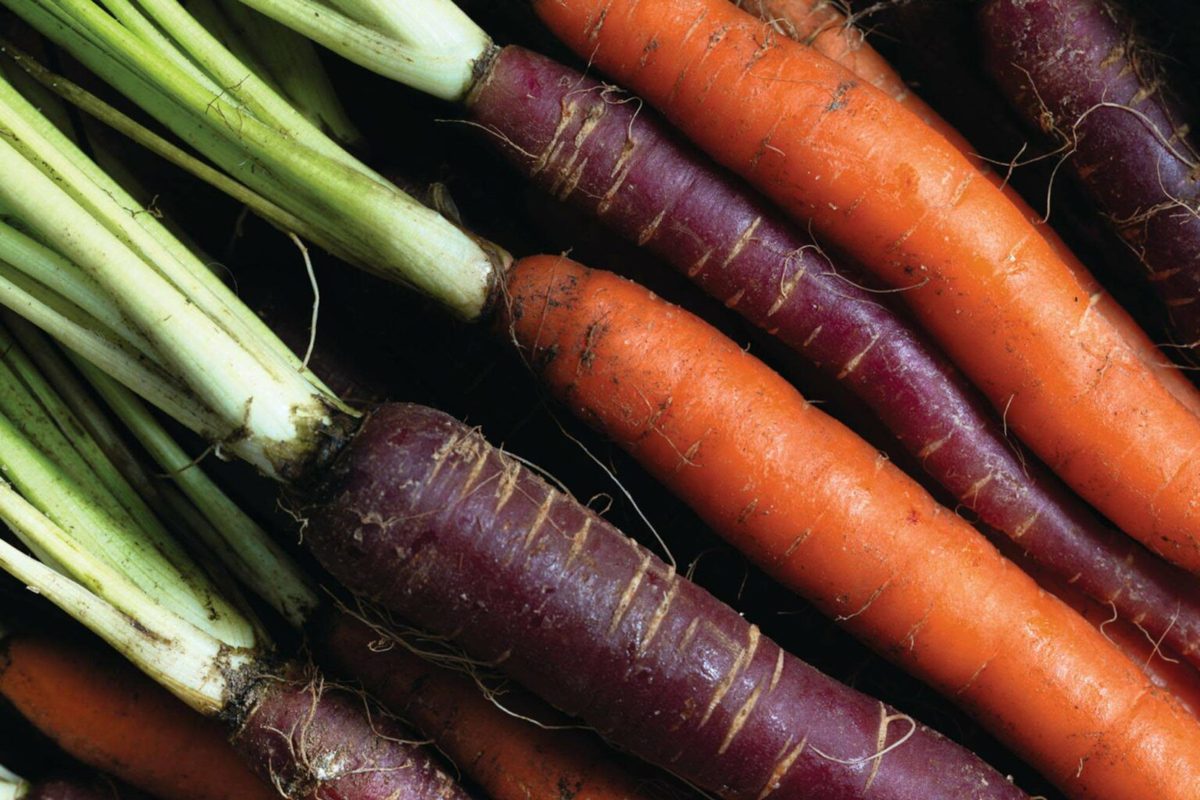
Wild Carrot: A close relative of parsley, coriander, and fennel, wild carrot originated in central Asia, particularly in the regions that are now part of Afghanistan. Initially, it was cultivated for its flavorful leaves and seeds.
The roots of these early varieties were predominantly white. However, by the time carrots were domesticated in the 10th century, the leading variety was rich deep purple. It wasn’t until the 16th century that orange varieties emerged, thanks to Dutch gardeners who sought to reduce bitterness and enhance the preservation of roots for winter.
The distinct orange color of carrots is primarily due to beta-carotene, a pigment named after the vegetable itself. Interestingly, orange also coincidentally aligns with the color of the Dutch Royal Family’s coat of arms.
This article addresses the question “Why are carrots orange?” originally asked by Billy Young from Peterborough.
For any inquiries, feel free to reach out to us at: [email protected] or contact us via Facebook, Twitter, or Instagram (please remember to include your name and location).
Discover more: Fun Science Facts | Explore more amazing science content
Read more:
Source: www.sciencefocus.com