


Innovative Cooling Therapy: How Rapid Cooling May Reduce Stroke Damage
BSIP SA/Alamy
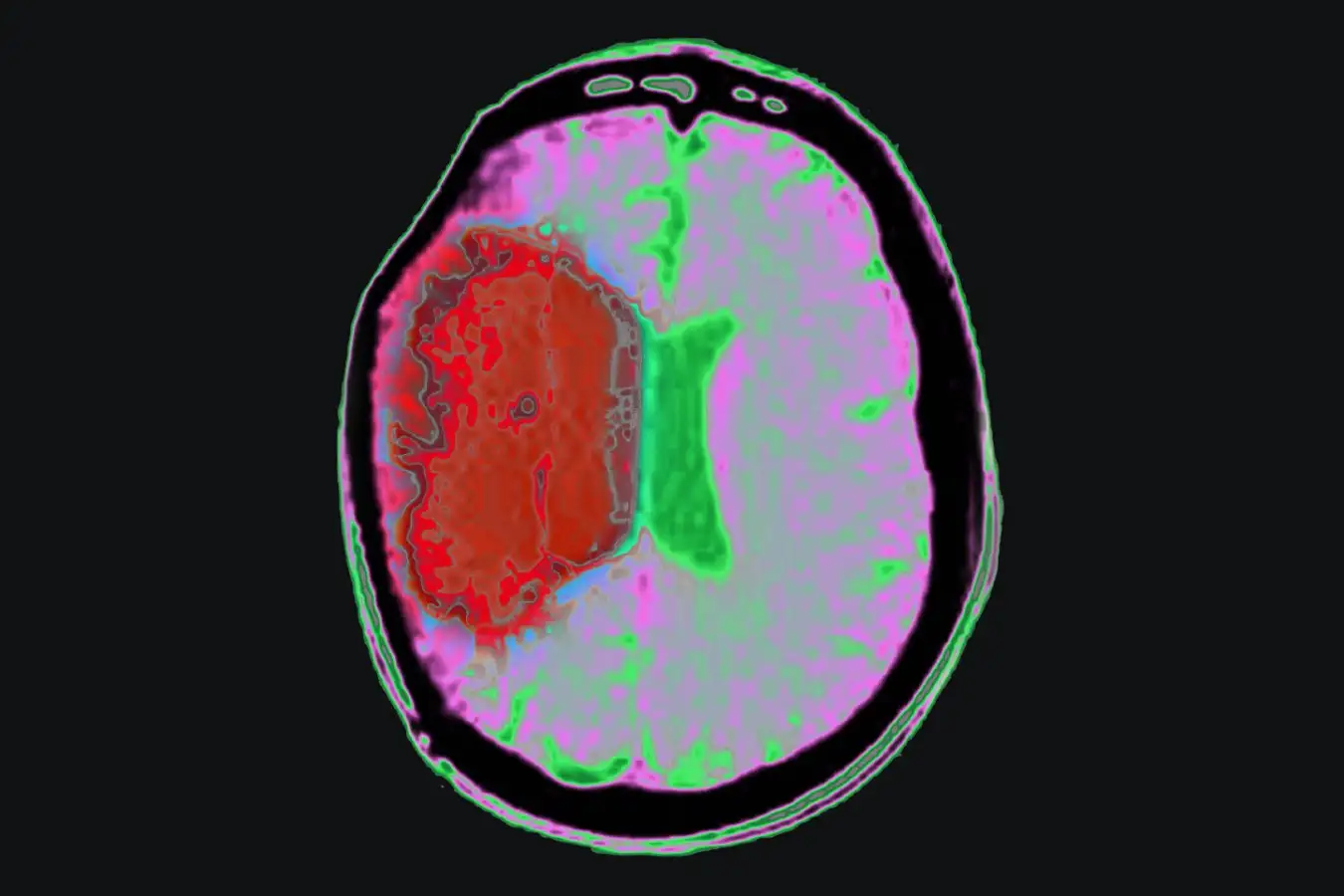
Recent studies indicate that a combination of two existing medications used for hay fever and psychosis has shown promise in reducing core body temperature in both mice and monkeys, ultimately minimizing brain damage following a stroke. These drugs are currently undergoing preliminary human testing and will be evaluated in upcoming clinical trials.
For decades, researchers have been exploring methods to cool the brain after a stroke to limit neuronal damage. The strategy involves inducing a hibernation-like state in brain cells to reduce their need for oxygen and glucose when blood supply is interrupted during a stroke. If blood clots can be removed and brain cells can be preserved until blood flow is restored, patients may alleviate significant brain damage and subsequent motor and speech difficulties.
However, conventional physical cooling methods such as cooling blankets, ice packs, and helmets have proven ineffective, largely due to the discomfort and involuntary shivering they induce. According to Kirsten Cupland, a researcher at the University of Newcastle, Australia, who did not participate in the study, the body’s shivering response complicates effective cooling methods. “It’s promising to see new cooling therapies being tested for stroke,” Coupland adds.
Shuaili Xu and colleagues from Capital Medical University in Beijing, China, administered promethazine and chlorpromazine—two drugs known for lowering body temperature—after inducing strokes in mice and rhesus macaques.
In both animal models, this drug combination successfully reduced core body temperature, suppressed intracellular glucose metabolism, and led to decreased stroke-related brain damage. Consequently, the treated monkeys exhibited improved limb mobility.
The research team progressed to a clinical trial involving 32 human subjects who had recently experienced a stroke. Upon arrival at the hospital, participants received either the promethazine and chlorpromazine combination or a placebo, in addition to standard clot removal therapy.
While the medications lowered the patients’ body temperature by approximately 0.3°C (roughly 0.5°F), they did not significantly reduce the resultant stroke damage. Xu suggests that the prolonged 12-hour infusion timeline may not have effectively lowered body temperature enough to achieve meaningful outcomes due to lower blood drug concentrations. “We are initiating another trial to investigate whether faster infusions over an hour will improve cooling and therapeutic results,” he explains.
Since promethazine and chlorpromazine are already deemed safe and commonly used for other medical purposes, Coupland believes continued clinical trials are warranted. Promethazine, a sedating antihistamine, effectively relieves hay fever symptoms and aids sleep, while chlorpromazine, an antipsychotic, is utilized to manage schizophrenia and bipolar disorder. Both medications work on the central nervous system to lower body temperature without causing shivering or cold sensations.
Topics:
Source: www.newscientist.com