



What is the Vagus Nerve?
The vagus nerve is a crucial component of the 12 cranial nerves connecting your brain to various body systems. This nerve significantly impacts digestion, heart function, reflexes, and respiration, making it one of the most essential pathways for brain-body communication.
Scientists are particularly fascinated by the vagus nerve due to its profound influence on our overall mood and well-being. Thus, it’s often referred to as the “highway” linking our brain and body.
Vagus Nerve Function
Unlike the rapid “fight or flight” response governed by the sympathetic nervous system, the vagus nerve primarily oversees the slower “rest and digest” functions associated with the parasympathetic nervous system. It consists of two major nerve bundles that exit the brain at the skull’s base and extend throughout the body.
Approximately 100,000 sensory neurons on each side relay information from the organs to the brain, reacting to environmental cues. Conversely, motor neurons carry signals from the brain to the organs, orchestrating muscle control.
Why is the Vagus Nerve Crucial?
The vagus nerve is a multifaceted nerve within the parasympathetic nervous system, playing roles in breathing, heart rate, swallowing, digestion, immune responses, and even orgasms.
This versatility derives from various neuron types capable of detecting a wide range of sensory signals from different organs. Some neurons assess chemical signals, like blood oxygen levels, while others respond to mechanical signals such as blood vessel expansion.
By relaying critical information to the brain about bodily functions, the vagus nerve helps maintain internal balance. Additionally, select neurons facilitate communication between the brain and gut, affecting speech and reflex actions.
Given its extensive functions, there may still be undiscovered roles of the vagus nerve. Interestingly, doctors often utilize vagal maneuvers, which stimulate the vagus nerve to regulate heartbeats and alleviate palpitations. Techniques may include coughing or even performing a handstand.
Explore more about stress management:
The Long and Winding Nerve
Derived from Latin, “vagus” means “to wander,” aptly describing how the vagus nerve extends from the brain to the colon while branching to vital organs like the heart, lungs, and liver.
The longest cranial nerve, the vagus nerve governs involuntary bodily functions, particularly digestion during restful states. Historically, it was termed the pulmonary gastric nerve due to its connections to the lungs and stomach.
How is the Vagus Nerve Linked to Our Health?
During stressful situations, the sympathetic nervous system triggers the fight-or-flight response, allowing for quick reactions. In contrast, the vagus nerve promotes relaxation and recovery, facilitating recovery after stress.
By recognizing accelerated heart rates or breathing patterns, the vagus nerve helps our brain regulate these functions, ensuring a balance between the sympathetic and parasympathetic systems. Disruptions in this balance may lead to issues like intestinal diseases and mental health disorders. Persistent stress is known to trigger an overactive sympathetic response, often seen in individuals with depression.
Vagus Nerve and Heart Health
One important measure is heart rate variability (HRV)—which reflects the timing between heartbeats. A healthy heart exhibits natural variability, while low HRV is associated with a dominance of sympathetic activity, indicating chronic stress.
Although widely used, there are still questions about the accuracy of HRV as an indicator of the balance between these two nervous systems. Heart rate monitors provide insights, but it’s essential not to fixate on the numbers alone.
What Happens If the Vagus Nerve Is Damaged?
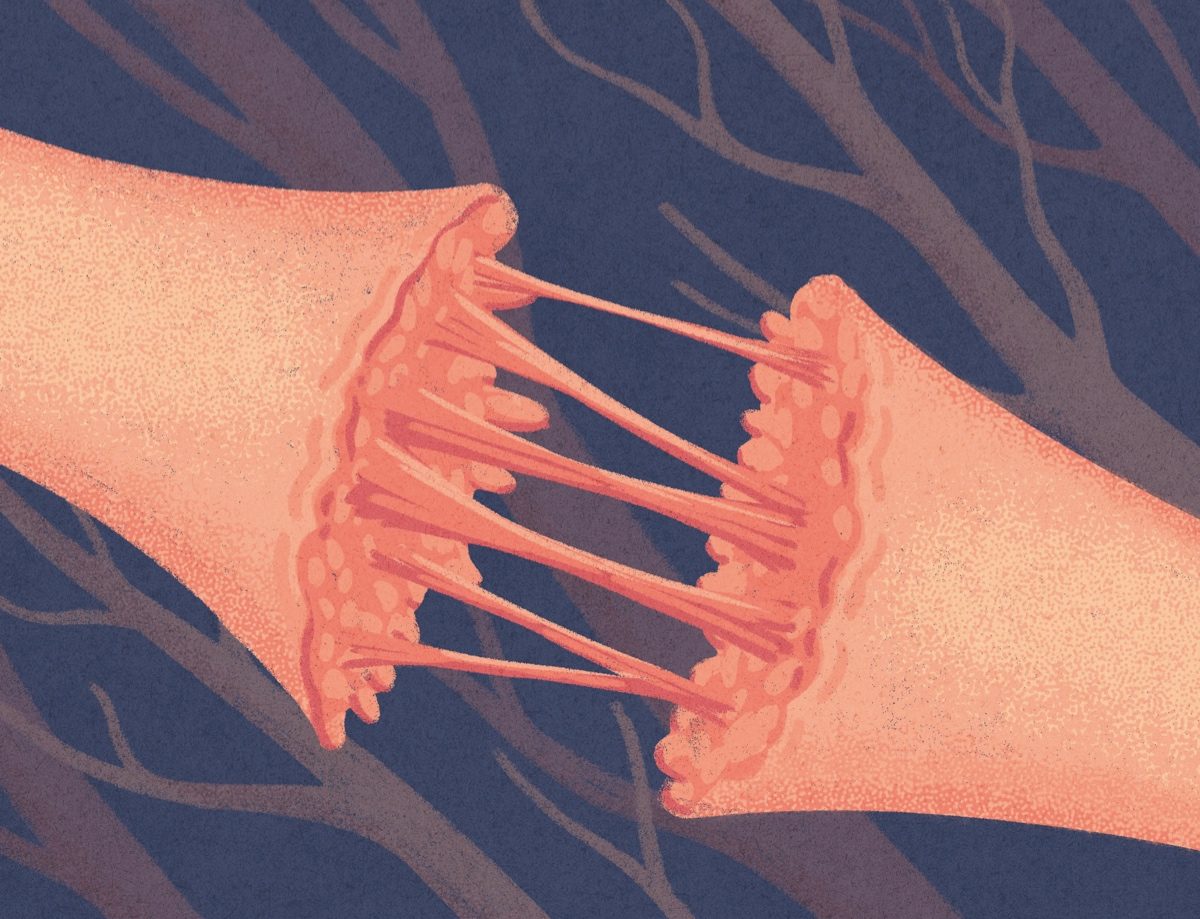
Historically, treatment for gastric ulcers involved cutting the vagus nerve fibers, as they regulate stomach acid production. Fortunately, modern medicine has moved away from this approach, but it highlights the impact of vagus nerve damage.
A “vagotomy” severs the nerve supply to various organs, including the stomach and intestines, possibly leading to difficulties in waste elimination. Conditions like gastroparesis can arise from vagus nerve damage caused by diabetes or infections.
If the injury occurs higher up, symptoms can vary—ranging from difficulty swallowing to headaches caused by viruses affecting the vagus nerve. Recent findings hint that long-term COVID-19 symptoms may relate to vagus nerve impairment, impacting respirational and digestive functions.
Should I Consider a Vagus Nerve Stimulator?
Current evidence suggests that devices for vagus nerve stimulation are generally safe. However, caution is advised regarding the proliferation of home neurostimulators and their unknown risks.
For those preferring mindfulness over devices, practices such as yoga, meditation, hypnotherapy, and deep breathing can enhance vagus nerve activity. Additionally, exposure to cold water, like swimming or splashing cold water on the face, has been shown to stimulate the vagus nerve and promote relaxation.
While seeking easy fixes may be tempting when feeling unwell, consulting with a healthcare professional for serious health issues is always advisable.
Discover more ways to relax.
What is Vagus Nerve Stimulation?
The idea of vagus nerve stimulation dates back to the late 1800s when neurologist James Leonard Corning invented an electrical device to aid epilepsy patients. While it was set aside at the time, it has gained traction, with over 100,000 current recipients using implants in the chest or, less commonly, in the brain to control seizures resistant to medication.
For many, these implants can reduce seizures by up to 75%, and ongoing studies indicate the effectiveness increases over time. Furthermore, a device developed by Cyberonics is approved for treating severe depression and chronic headaches.
However, stimulation does not always entail surgical procedures. Non-invasive techniques utilize access points through the ears and neck, employing TENS-like devices to access the vagus nerve. Stylish neuromodulators, like Neurosim, are designed for individuals seeking alternatives for stress, anxiety, or fatigue.
The realm of vagus nerve stimulation is expanding rapidly, with ongoing clinical trials investigating its potential for numerous conditions like burns, obesity, hypertension, and Alzheimer’s, among others. The significant link between the vagus nerve and gut health is also being explored as a treatment for common gastrointestinal disorders such as IBS. However, as is the case with all medical advancements, gathering substantive evidence takes time.

5 Key Facts About the Vagus Nerve
- The vagus nerve is the longest cranial nerve, linking the brain to the large intestine while transmitting signals bidirectionally.
- It contains around 200,000 sensory neurons, with ear locations being the only visible area where sensory vagus fibers reach the skin.
- This nerve potentially allows women with spinal cord injuries to achieve orgasms by bypassing direct nerve pathways.
- Vagus nerve stimulation may influence gamma-aminobutyric acid neurotransmitters linked to ADHD, highlighting its therapeutic potential.
- The term “vasovagal syncope” refers to fainting caused by overstimulation of the vagus nerve, leading to sudden drops in heart rate and blood pressure.
Learn more about the incredible human body:
For inquiries, email [email protected] (please include your name and location)
Source: www.sciencefocus.com