


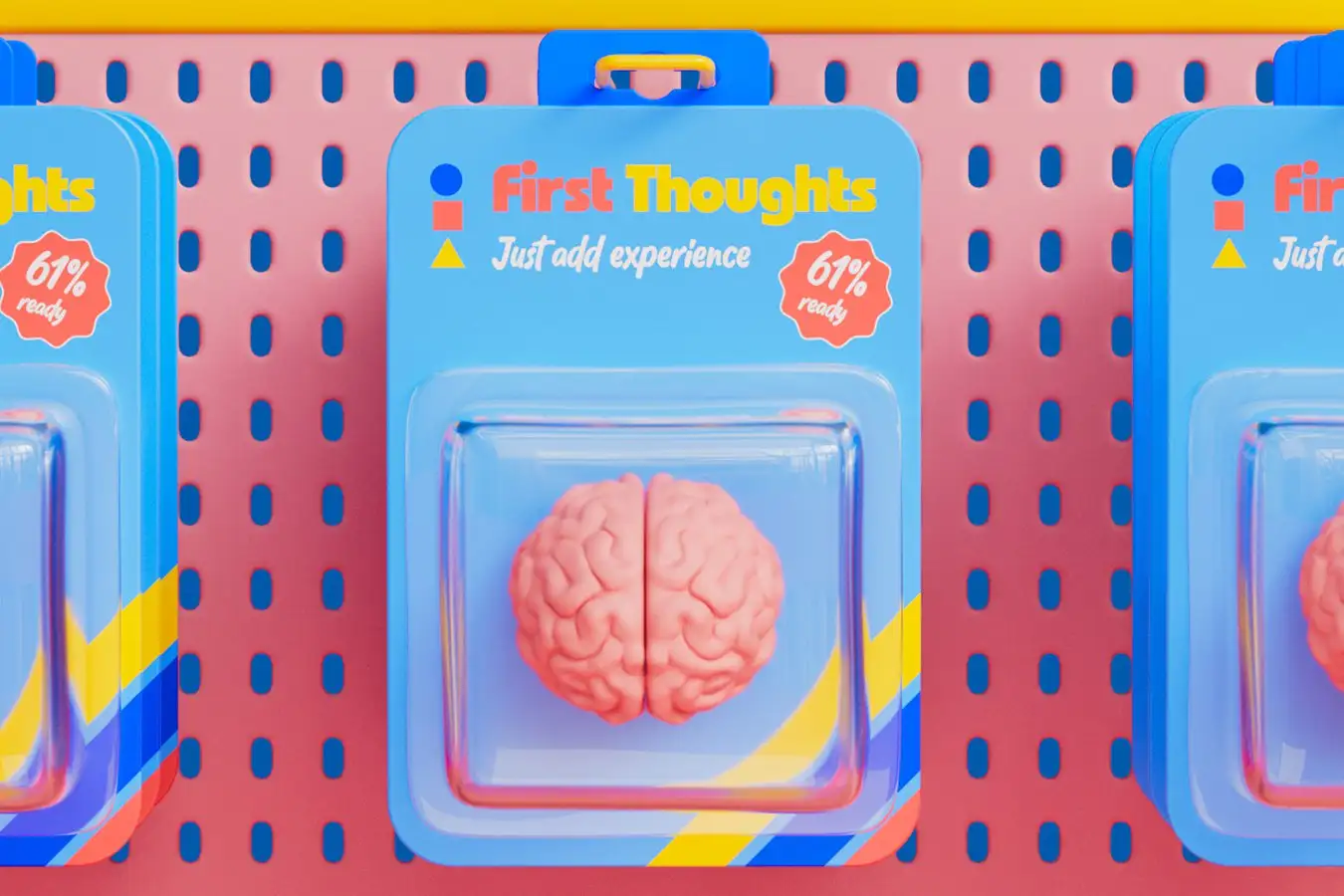

The Amazing Similarity of Newborn and Adult Brains
Credit: Craig Bolan
At birth, we possess a fundamental brain structure. During the nine-month gestation period, approximately 100 billion neurons emerge from a tiny “neural tube” in the fetus, laying the groundwork for the central nervous system.
This immense number of neurons is overshadowed by the roughly 100 trillion connections that develop among them, akin to subway lines connecting various city hubs. “It’s organized cleverly to maximize efficiency,” explains developmental neuroscientist Moriah Thomasson from New York University.
Just before birth, the fetal brain closely mirrors the adult brain, with the fetal connectome sharing 61% of the same functional organization as an adult brain. “That’s astounding,” says Thomasson. However, the fetal brain shouldn’t be mistaken for a fully formed adult’s; unlike some animals that can walk shortly after birth, humans undergo a prolonged period of childhood and dependency.
“Our brains are designed to remain unfinished because we benefit from our surroundings to complete them,” remarks philosopher of mind Timothy Bain at Monash University, Australia. “For evolutionary reasons, if we were born predisposed to speak Swahili, it would be problematic if raised in a Russian-speaking environment.”}}
The transition at birth catalyzes significant changes in brain function. “It feels almost like an assault,” states Thomason. Newborns shift from the floatation of the womb to experiencing gravity, fluctuating temperatures, and a deluge of novel visual stimuli. Consequently, insulating layers called myelin sheaths start forming, enhancing connectivity across the nervous system and isolating specialized brain networks. “The pruning processes become increasingly aggressive,” she explains. “You’re solidifying neural pathways.”
As this pruning occurs, our navigation abilities in the world sharpen as advanced cognitive skills build upon foundational competencies. The brain begins to differentiate objects, track their movements, and recognize faces and emotions. “Early emotion tracking is crucial, as it provides insights into people’s mental states,” Bain notes.
With brain imaging technology, researchers can observe the formation and connectivity of brain networks in both adults and fetuses. However, understanding what this means for conscious experience remains complex. Evidence of brain activity and behavior in utero suggests some semblance of consciousness may exist. “It’s likely that aspects of prenatal experience and a degree of consciousness emerge,” Bain suggests. Yet he believes meaningful consciousness only comes into play when the infant confronts the external world.
Despite the correlation between brain biology and conscious experience, philosophers continue to debate the connection between thought and consciousness. “Can you think without being conscious? Can consciousness exist without thought?” asks philosopher of consciousness Philip Goff at Durham University, UK. Bain posits that thinking is more connected to our interactions with the world. For instance, a few months post-birth, babies can manipulate objects above their heads with unique movements. “I wonder if a baby’s initial thought is tied to a failed intention or joy in achieving a goal,” he reflects.
While the notion that thought and consciousness begin only after birth feels intuitive, cognitive scientist Anna Chaunika from the University of Lisbon cautions against this adult-centric perspective. We often assume experience arises solely from the brain, with thought rooted in complex concepts. Yet, research shows that sensory experiences integrate into a basic sense of self through behaviors exhibited in early pregnancy, argues Chaunika. Interaction and learning form the essence of experience and survival. The primal evolutionary history of our neurons and the rapid specialization of our olfactory systems for fetal development illustrate this. “Existence precedes understanding,” she states.
Mainly, a fetus’s reality revolves around its mother. “In the womb, we are in constant negotiation with external beings,” Chianica shares, noting research indicating that newborns exhibit distinct cries when exposed to bilingual mothers. “Our first realization might be one of connectedness—’I’m not alone.'”

Unlocking the Secrets of Super Agers
Discover why some individuals maintain cognitive clarity into old age while others do not. Join neuroscientist Emily Rogalski in an enlightening discussion about aging healthily. Hosted by Olivia Goldhill. Online | July 7, 2026 | 6pm-7pm BST / 1pm-2pm EDT
Topics:
Source: www.newscientist.com