


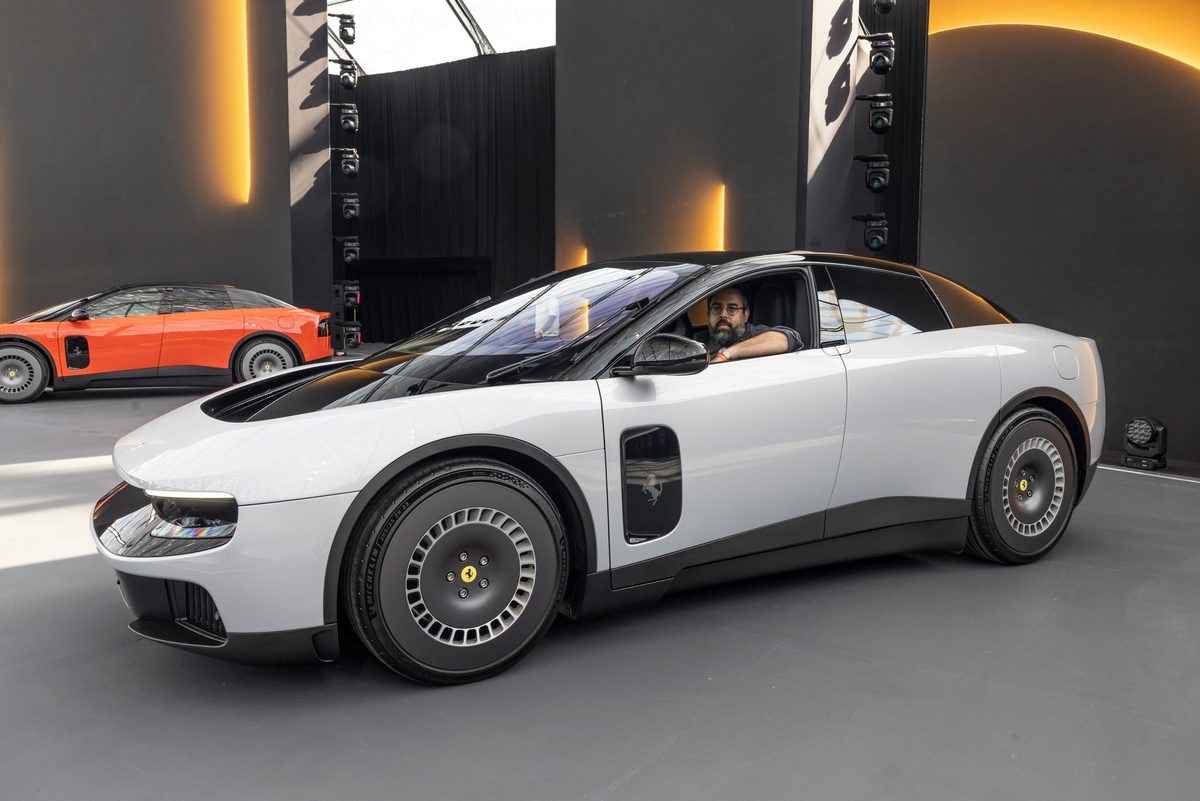
Recently, I received an invitation to the launch of the revolutionary electric Ferrari Luce, and I didn’t realize its significance until the first images hit the internet. The reactions were explosive, with enthusiasts debating its design passionately, highlighting a divide among Ferrari fans.
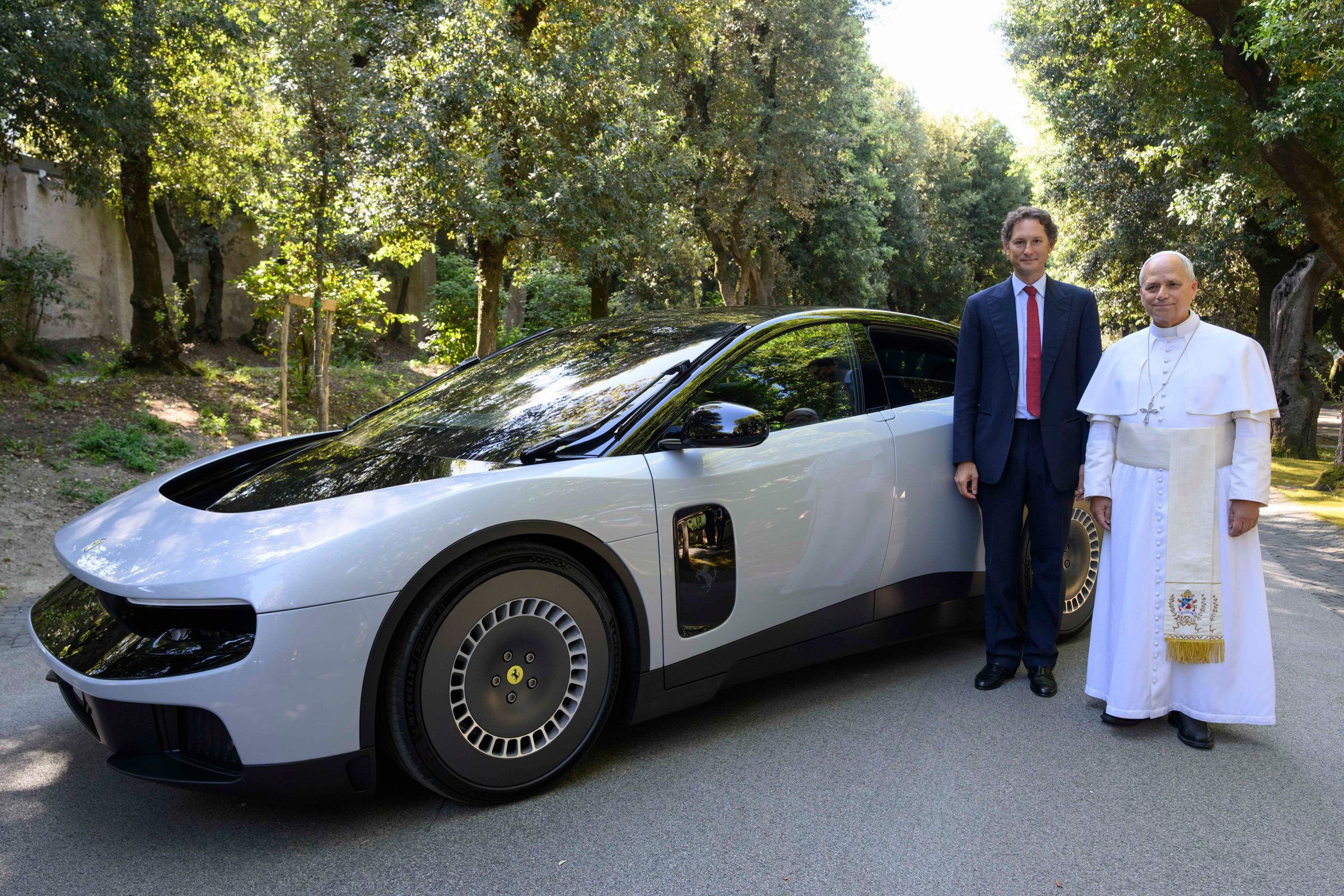
Since the announcement of Luce, Ferrari has seen an 8% decline in stock value, equating to a financial loss of approximately €7 billion. This stark figure signals that Luce is not just another vehicle; its backdrop has sparked considerable discourse, reminiscent of the gravity of formal introductions at Vatican events.
https://www.youtube.com/watch?v=U8QgVA_JRiE" title="Ferrari Luce Launch Video
What’s the Controversy?
Luce’s aesthetic diverges significantly from traditional Ferrari designs. It doesn’t echo the iconic roar associated with the brand and, as of yet, no one has driven it to ascertain its performance. This disconnect has left many die-hard fans feeling disillusioned.
Contrastingly, the automotive press has embraced it with enthusiasm. Why such a disparity in opinion?
Perhaps it’s the allure of the novel. In an era where we analyze countless products, something out of the ordinary captures our attention—be it a phone, speaker, or a revolutionary vehicle like Luce. This model promises to redefine our perceptions of Ferrari, electric vehicles, and design as a whole.
This isn’t merely a new chapter; it’s an entirely new book for Ferrari.
Luce comes equipped with over 60 innovative patents. One key feature is its battery, which is integrally molded into the chassis rather than bolted on. This design enhances the car’s rigidity and lowers its center of gravity.
The powertrain is intriguing: each wheel features a unique ‘Halbach’ magnet configuration with torque vectoring inspired by Ferrari’s F1 technology. This ensures that all wheels actively respond to road conditions and driver input, providing optimal traction. Together, this setup can generate an astonishing 1,036 horsepower with launch control and 986 horsepower in “performance mode.”
While the design might seem a bit understated, it boasts the lowest drag coefficient of any Ferrari, enhancing its range. Components like what appears to be a hood actually function as a front wing, optimizing aerodynamics. The seamless integration from the hood to the windshield seamlessly contributes to this innovative look.
Regarding sound, during the launch, we experienced a brief auditory teaser that was nothing short of exhilarating. Ferrari chose to bypass artificial engine noises, instead using a high-precision accelerometer on the rear axle to relay real vibrations into the cabin, akin to guitar pickups. The result is an authentic acoustic profile linked closely to the vehicle’s performance.
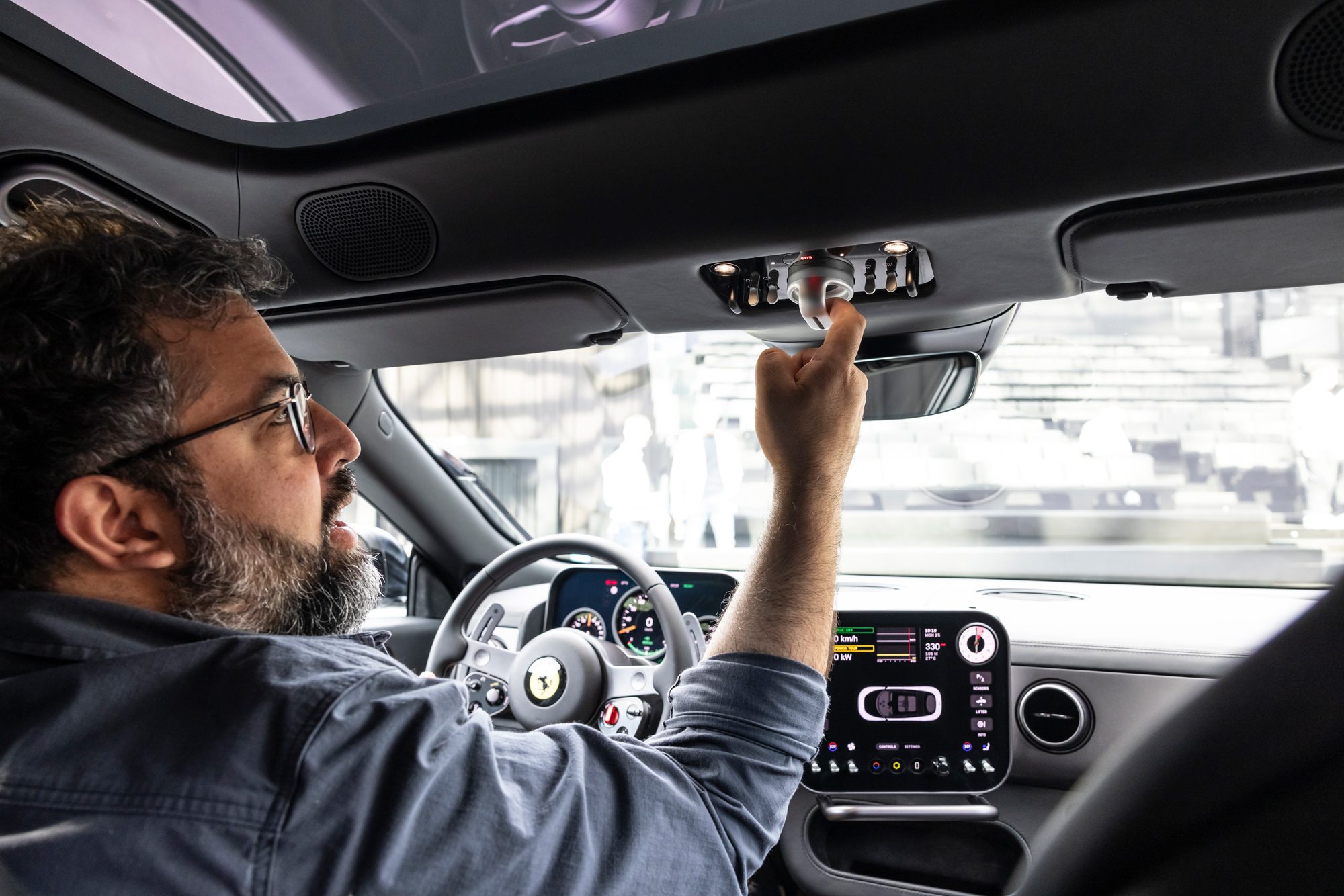
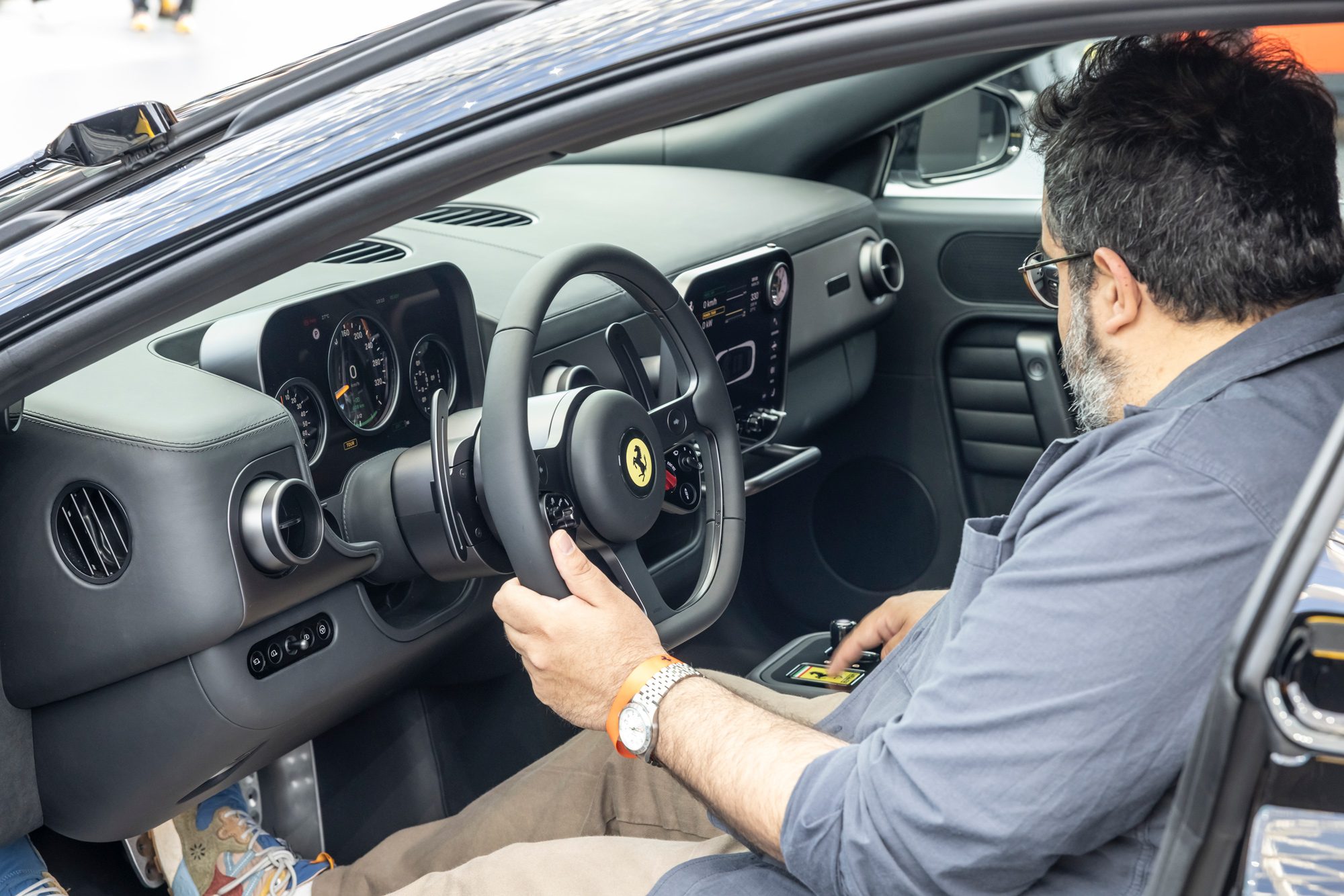
Inside, the design collective LoveFrom, founded by Jony Ive and Marc Newson, has collaborated with Ferrari to enhance user experience through touchscreen technology. Physical buttons have made a comeback, allowing drivers to savor the theatricality of starting and driving. The dashboard offers a layered interface combining analog and digital elements, ensuring readability and user-friendliness.
A control console can slide between the driver and passenger via a brushed aluminum rail, doubling as a wrist support while navigating settings.
Who Will Prevail in the End?
The overarching challenge for automakers remains improving electric vehicle functionality. Luce represents Ferrari’s proactive response to this challenge. The innovation is commendable, though true performance can only be gauged through driving.
I predict that Luce will set new benchmarks for electric vehicles, inspiring other manufacturers in the EV market, even if current reactions lean towards skepticism.
Contrary to opinions suggesting the demise of Ferrari, the passionate responses surrounding Luce highlight its cultural significance. This brand represents memories and aspirations for many, especially as a symbol that graced bedroom walls.
In my estimation, Luce will cement its position in Ferrari’s legacy as we transition into an electric vehicle-centered future. While we may still witness a few more thrilling gas-powered models, I echo Marty McFly’s sentiment: “I don’t think you guys are ready for that yet, but your kids will love it.”
Read more:
Source: www.sciencefocus.com