


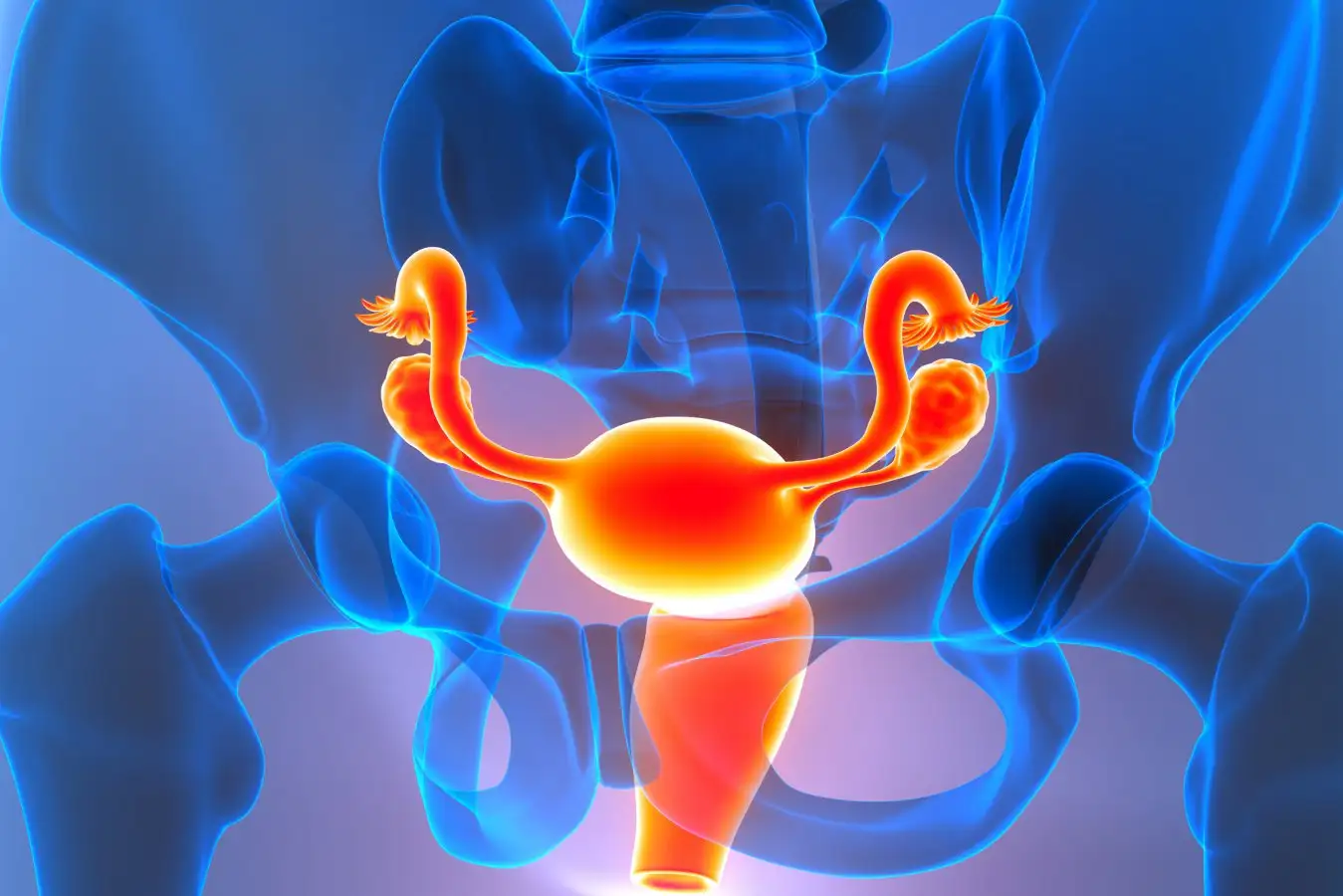

Ovaries’ Role in Postmenopausal Health
Magic Mine/Getty Images
Recent research challenges the long-held belief that ovaries become inactive post-menopause. New findings reveal that immune cells infiltrate the ovaries of older mice, indicating a link between these organs and widespread inflammation after menopause.
“We believed these organs were done with their roles post-reproduction,” says Francesca Duncan, a researcher at Northwestern University in Illinois. “What we discovered was unexpected.”
In a recent study, Duncan and her team examined the protein makeup of ovaries from postmenopausal women aged 50 to 75. Contrary to their expectations of uniformity, they found significant changes in molecular signatures over the decades.
To further investigate, Duncan and her team are conducting detailed studies on mouse ovaries, analyzing tissue and gene expressions across different age groups: young (2 months), reproductive age (18 months), and post-reproductive (24 months).
While mice do not experience menstrual cycles like humans, they undergo a similar age-related decline in fertility. “The concept of menopause extends to mice as they age and experience a decrease in egg reserves,” Duncan explains.
The results highlighted expected outcomes: aging ovaries lose egg-producing follicles and display more scarring. However, there was also an increase in the activity of genes involved in inflammation and immune response, along with a rise in immune cell numbers, including T cells and macrophages.
Further research is needed to assess implications for immunity and general health. Duncan suggests that this represents a transformation in the ovaries’ role, potentially prioritizing immune functions over reproductive capabilities—a shift that may not be beneficial.
Aging tissues often experience chronic low-grade inflammation, and due to the involvement of immune cells, Duncan speculates that post-reproductive changes in ovaries could be sending inflammatory signals throughout the body.
Professor Duncan emphasized that her study focused solely on mice. However, Diana Laird at the University of California, San Francisco, posits that similar immune changes might occur in humans. “Both species cease cycling once oocyte supplies deplete, exhibiting shared changes like fibrosis and increased innervation,” she states.
It remains uncertain why older mice display these changes, but if analogous shifts occur in humans, this might have historically provided advantages, allowing for a reservoir of immune cells at a time when fewer individuals lived into old age. Unfortunately, this can lead to inflammation and autoimmune diseases in modern society.
These findings prompt a reevaluation of the ovaries’ significance post-menopause. Typically, they continue to produce hormones like androgens that support bone density and libido. Yet, Laird contends that growing evidence suggests immune changes in the ovaries could underlie increased inflammation, potentially leading to conditions such as rheumatoid arthritis after menopause. “This study underscores the need for in-depth exploration of the cellular and molecular aspects of the post-reproductive ovary,” she remarks.
Topics:
Source: www.newscientist.com