


Olly Priestley: A Rising Star in Automotive Engineering
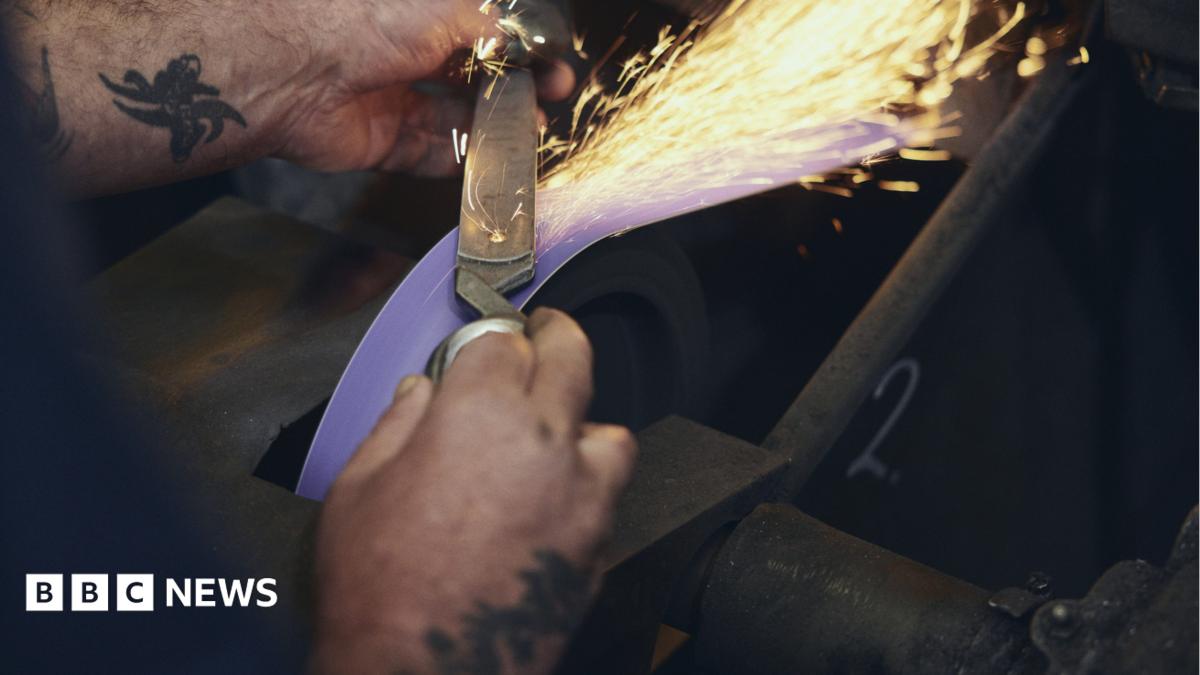
Olly Priestley, a dedicated 29-year-old mechanical apprentice at Tollman, is on a journey to become a skilled “traditional vehicle engineer.” Focused on the restoration of modern classic cars, he’s mastering a unique blend of both traditional craftsmanship and cutting-edge techniques.
Advancements in technology play a crucial role in this learning process. Tools like computer-aided design (CAD) and 3D printing are essential for crafting new vehicle components while delving into the complexities of a car’s electronic control unit.
“I aspire to develop the skills needed to work on my dream cars, like the Peugeot 205 GTi,” shares Priestley, who resides in Leicestershire.
“Understanding the manufacturing process keeps me motivated. Recently, I crafted a gearbox mount for a classic BMW, knowing that my work revitalizes the vehicle,” he adds.
According to Chris Tolman, founder of Tollman, the skills that Priestley is acquiring set him apart from apprentices in conventional car dealerships, where many have transitioned to being “just-fitters” due to the reliance on digital tools.
“Digital technology often identifies issues and automates parts replacement. However, specialists in our field must possess the creativity to analyze and solve problems innovatively,” states Tolman, who operates from Warwickshire.
Tolman’s insights underscore the critical need for evolving methods in trade education, as technology increasingly impacts the learning landscape.
Consequently, apprentices are advancing through the educational hierarchy.
For instance, Mr. Priestley’s three-year apprenticeship at Bicester’s Heritage Skills Academy (HSA) was established in 2018 to encompass crucial capabilities such as welding, glazing, and digital skills like CAD and 3D printing.
This Level 3 apprenticeship is on par with three A-levels, superseding the previous Level 2 and 3 ‘Classic Vehicle Framework’ approach.
HSA managing director John Pitchforth emphasizes that the academy integrates “cutting-edge technology with foundational engineering principles,” resulting in a significantly enhanced educational experience.
Recent government data indicates a nearly 25% decline in the enrollment of individuals beginning Level 2 intermediate apprenticeships, contrasted by a rise in those pursuing higher-level apprenticeships (levels 4 to 7).
Level 6 and 7 apprenticeships correlate with a bachelor’s and master’s degree, respectively, while the number of Level 3 apprentices remains stable.
However, with technology shaping the curriculum, are apprentices merely acquiring software skills at the detriment of essential trade competencies?
Pitchforth contends that apprentices at HSA are likely more competent than those in alternative programs.
“When engineers transitioning to our field arrive, they often lack fundamental engineering principles and struggle to troubleshoot vehicle systems without relying on computerized diagnostics,” he explains.
Source: www.bbc.co.uk