


Declining Urban Tree Canopy Linked to Higher Mortality in Chicago Neighborhoods
Losing mature trees in an urban neighborhood may be more than an environmental concern—it could also affect residents’ health and survival, according to a new study of Chicago communities.
Published Aug. 5 in the journal GeoHealth, the study examined tree canopy coverage and mortality rates across Chicago neighborhoods over an 11-year period. Researchers found that the year-to-year change in urban tree cover was more closely associated with mortality than the total number of trees in a neighborhood at any single point in time.
Urban tree canopy and mortality rates
from the latest videoslive science
Trees can cool city streets by shading sidewalks, roads and buildings. They also release water vapor through a process known as evapotranspiration, which can lower surrounding air temperatures and make neighborhoods more comfortable during hot weather. Protecting urban tree cover may therefore help reduce exposure to extreme heat.
“Many past studies linking tree canopy to mortality relied on a single snapshot of a neighborhood’s greenery,” Vivek Shandas, a professor of urban studies and planning at Portland State University who was not involved in the research, told Live Science.
Tree canopy growth associated with lower mortality
To conduct the analysis, researchers combined annual satellite measurements of Chicago’s tree canopy by census tract from 2011 through 2021 with more than 220,000 death records from city and state health departments. Their statistical models accounted for several factors that can influence mortality, including summer temperatures, air pollution, income and residential segregation.
Chicago neighborhoods show unequal tree loss
It is also unclear exactly why declining tree cover was associated with mortality from several different conditions, rather than only illnesses strongly connected to heat exposure. Shade is one possible explanation, but trees may also influence air quality, physical activity, stress levels and neighborhood conditions in other ways.
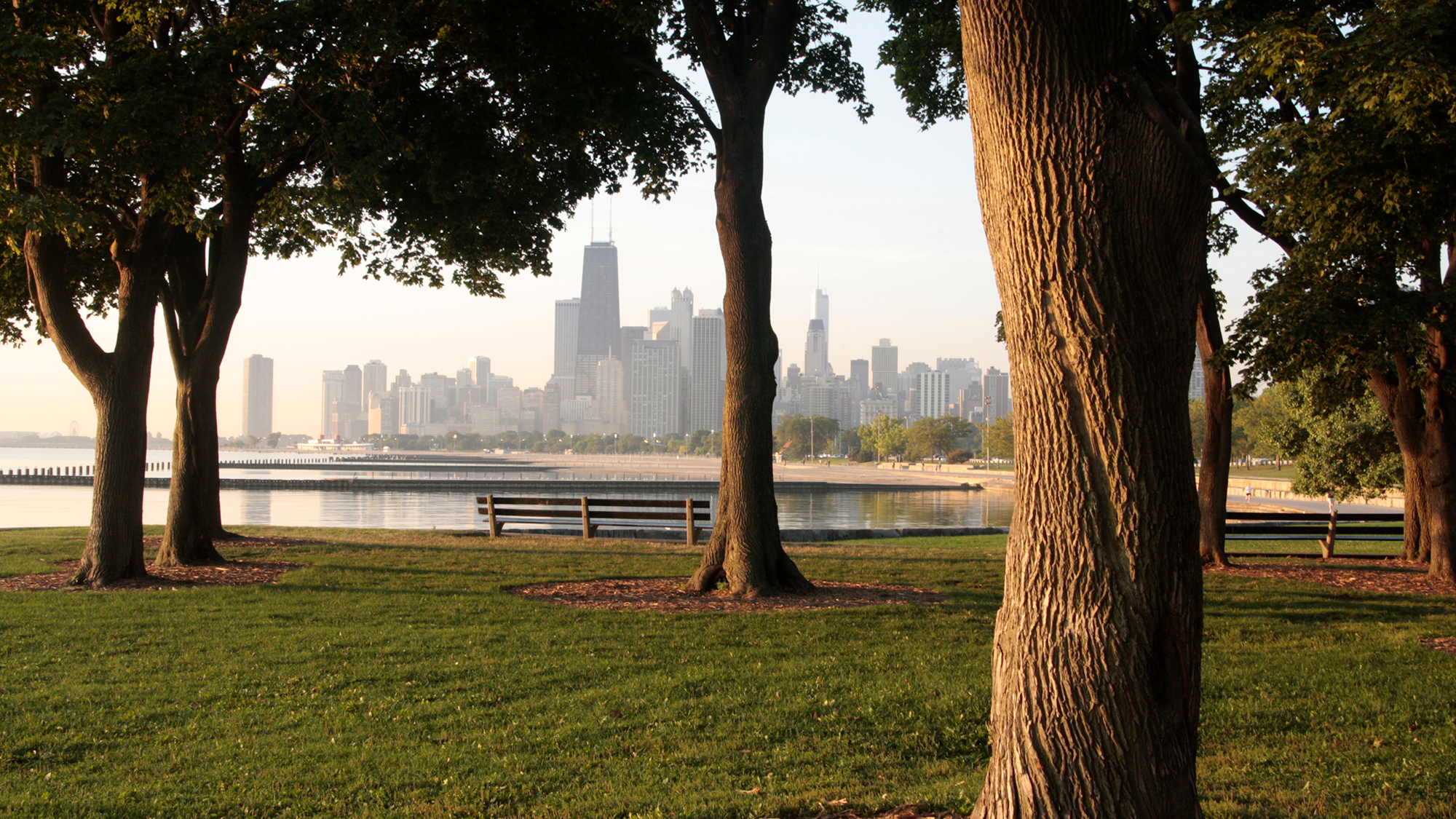
Geography played an important role in the results. Chicago’s South and West sides experienced some of the greatest tree canopy losses, the hottest summers and the highest mortality rates. Some of these neighborhoods began the study with above-average tree cover but lost greenery over time. Lakeside neighborhoods, meanwhile, generally remained cooler and had lower mortality rates.
“We noticed how tiring it was to walk in areas with less tree cover compared with nearby blocks lined with mature trees,” Garcia said in a statement.
Protecting mature trees may be especially important
Using their statistical models, the researchers estimated that a 0.03% annual increase in Chicago’s citywide tree canopy—roughly consistent with the planting of about 14,000 trees per year—could prevent approximately 105 deaths annually.
However, the researchers emphasized that this figure is an estimate based on statistical modeling, not a direct count of lives saved. Newly planted trees also cannot provide the same level of shade and cooling as mature trees, which may take decades to reach their full size.
Previous research in Portland found that the health benefits of planted trees increased as the trees grew older.
For that reason, the study’s findings suggest that preserving existing mature trees may be just as important as planting new ones. Maintaining healthy urban forests could help reduce heat exposure and support better health outcomes in communities already facing environmental and economic disadvantages.
Source: www.livescience.com