


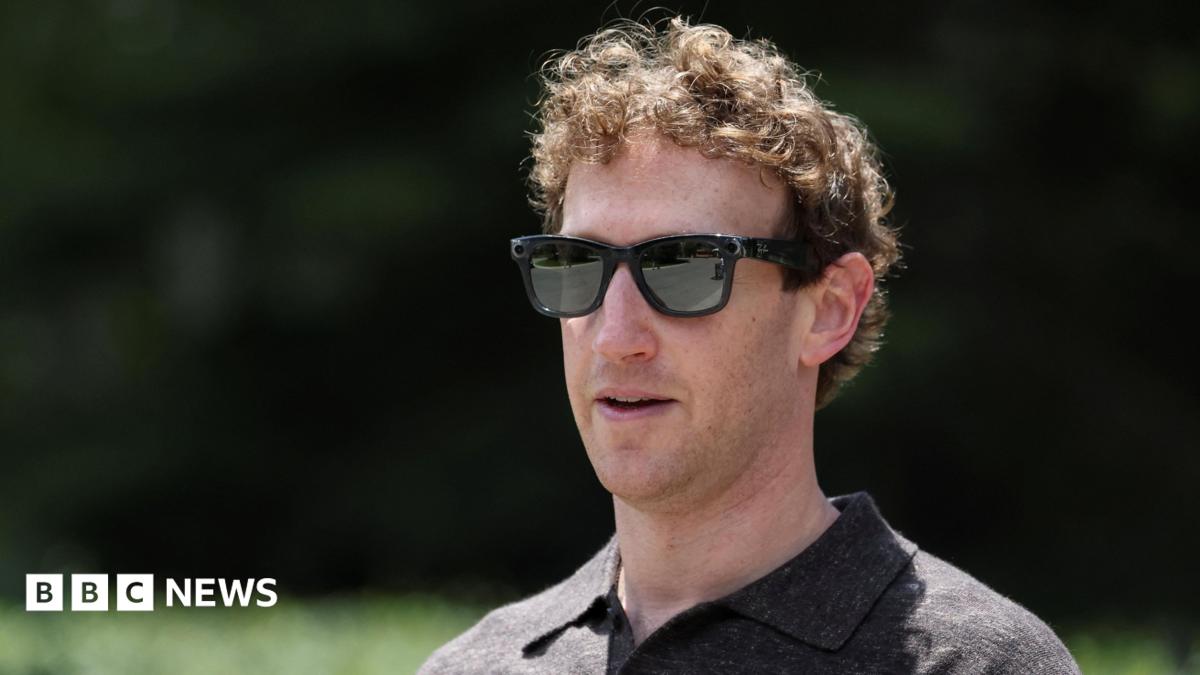
Last week, Meta CEO Mark Zuckerberg published a 6,500-word open letter, external titled “The Future Belongs to Everyone.”
For some readers, the letter presents an optimistic vision of artificial intelligence and its potential benefits. For others, it appears to be another public relations campaign from a major technology company.
Zuckerberg’s essay is the latest example of a tech industry leader explaining why AI is expected to become one of the most influential technologies of the future.
His vision echoes arguments made by other AI advocates, who describe the technology as one of the most important innovations in human history.
Marc Andreessen, co-founder of early internet company Netscape, helped popularize this style of argument in 2023 with his 5,000-word “Techno-Optimist Manifesto.” In the essay, Andreessen argued that technological innovation can help solve many of society’s biggest problems.
At the time, I remember wondering whether technology executives were beginning to write manifestos rather than traditional business essays.
Andreessen’s manifesto opens by challenging what he describes as common misconceptions about progress and calls on readers to reject them.
“We believe that growth is progress and leads to vitality, expanded life, increased knowledge, and higher happiness,” he writes.
Although Zuckerberg does not mention Andreessen directly, the Meta CEO similarly questions critics who warn about the risks and social consequences of advanced AI.
“It is surprising how doom-filled the discourse of many AI developers is,” Zuckerberg writes.
The International Monetary Fund has warned that AI could affect nearly 40% of jobs and increase economic inequality worldwide. Zuckerberg, however, argues that the future will still offer people many opportunities for employment.
“I don’t understand why people who believe that AI will eliminate most jobs and human interaction would rush to build such a future.”
That argument comes as Meta continues to restructure its business around artificial intelligence, including a previous reduction of about 10% of its global workforce, or roughly 8,000 employees.
Source: www.bbc.co.uk