


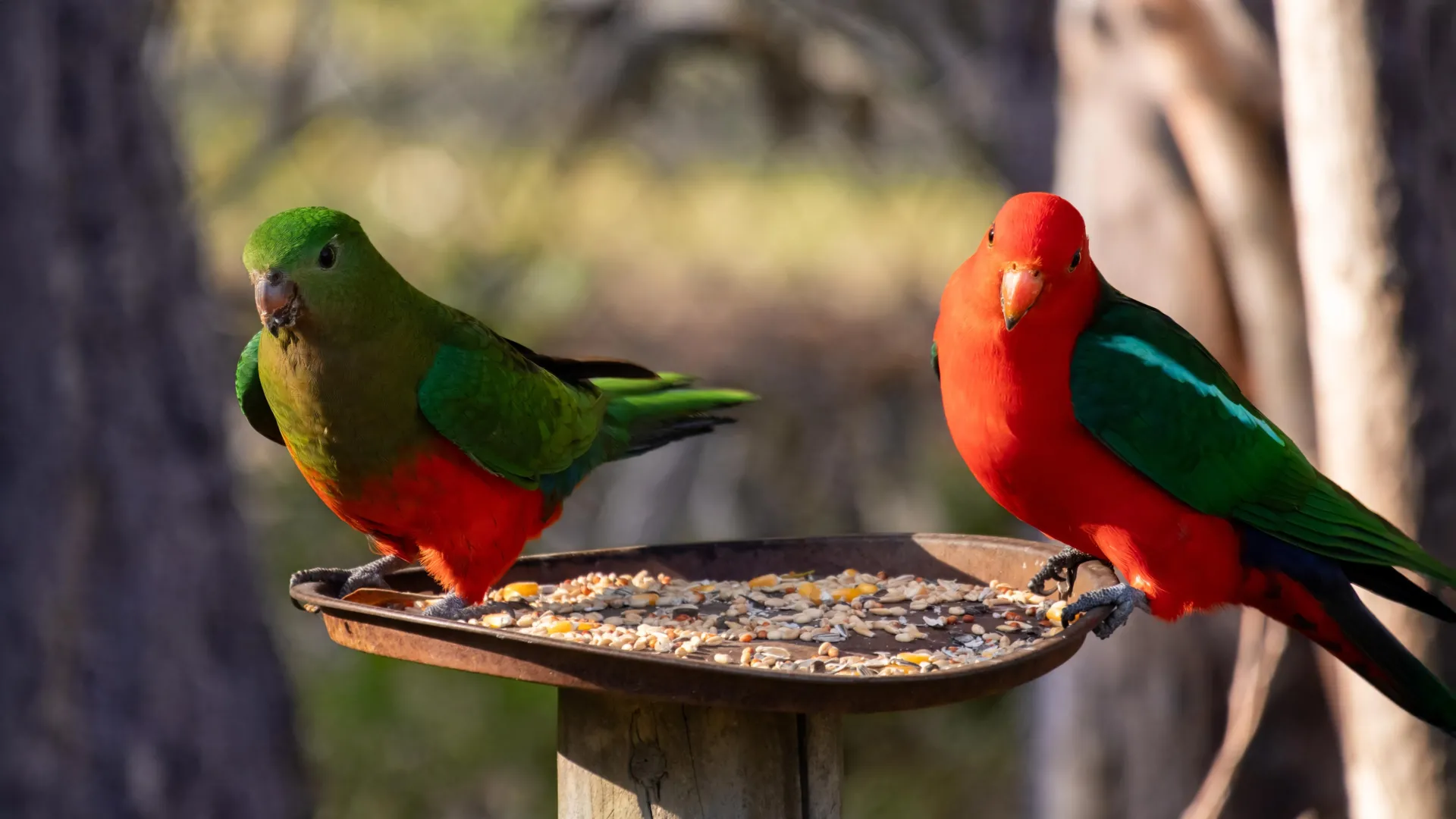
Backyard bird feeding is one of Australia’s most popular wildlife-related pastimes. Research suggests that about half of Australian households feed wild birds, with many people providing food every day.
However, backyard bird feeding can also create conditions that help diseases such as H5N1 avian influenza—commonly known as bird flu—spread. A superspreader event is an occurrence that infects an unusually large number of people or animals. Bird flu has already affected wild bird and mammal populations around the world.
In Australia, the virus has been linked to the deaths of more than 1,000 crested terns and the first confirmed detection in a mainland mammal, a long-nosed fur seal.
Many Australians consider wild bird feeding controversial, largely because of concerns about the types of food people provide. Inappropriate food can harm birds, while regular feeding may cause them to become dependent on humans or gather in unnaturally large numbers.
So why can backyard bird feeding be a problem during an avian influenza outbreak, and can it be done safely?
Backyard bird feeding is more than a hobby
People feed wild birds for many reasons, including helping birds during difficult conditions and enjoying their presence. Many people care deeply about their local birdlife and believe feeding birds is beneficial.
But well-intentioned feeding can expose birds to greater health risks.
Feeding wild birds increases the risk of disease transmission at a shared feeding site. Food such as seed, bread and meat scraps can attract different bird species in higher numbers and closer proximity than would normally occur in nature. If one bird is infected with H5N1, the virus may spread to other birds through contaminated food, surfaces, droppings or close contact.
A bird feeder or feeding area can therefore become a disease hotspot in a backyard. This is particularly concerning for threatened species, including the orange-bellied parrot, which is already critically endangered.
The effects of H5N1 are not limited to birds. Scavenging animals, including possums, red foxes and crows, may be exposed when they eat infected birds or carcasses. People can also become infected through close contact with infected animals or contaminated environments. Human infection remains rare, but people who work closely with wildlife—such as veterinarians, wildlife carers and animal handlers—may face a higher risk.
How to reduce the spread of bird flu
Backyard bird feeding may seem harmless, but widespread feeding can increase crowding, disease transmission and the risk of wildlife deaths.
The safest option is to stop feeding wild birds, particularly during an avian influenza outbreak. Without supplementary food, birds are less likely to gather in large numbers around your home. Most wild birds can meet their nutritional needs naturally, and previous research shows that many birds visiting feeding areas still obtain most of their food from natural sources such as insects and worms. In other words, the food people provide is usually a snack rather than an essential meal.
If you continue feeding wild birds, follow these three precautions:
Reduce the amount of food
Feeders filled with seed or leftover meat can attract large numbers of birds. Reducing the amount of food available can help prevent crowding and lower the risk of disease transmission. However, reducing food is not a substitute for stopping feeding altogether when authorities advise against it.
Avoid hand-feeding wild birds
Having a bird take food directly from your hand may seem like a special wildlife encounter, but close physical contact is best avoided during a bird flu outbreak. Although it is unlikely that people will contract H5N1 in this way, hand-feeding increases contact with birds, beaks, claws, saliva, droppings and potentially contaminated food.
Keep feeders and equipment clean
If you continue feeding wild birds, clean feeders, feeding surfaces and other equipment regularly. Use household disinfectant or bleach according to the product instructions, and wear suitable protection when handling items contaminated with droppings. If you cannot clean feeding equipment safely and frequently, it is better not to feed birds.
Backyard bird feeding can unintentionally increase the spread of H5N1 avian influenza by bringing wild birds together in concentrated groups. Reducing or stopping supplementary feeding, avoiding hand contact and keeping equipment clean can help protect both wildlife and people during Australia’s bird flu response.
Do not touch sick or dead birds or marine mammals. Record the location, take photos from a safe distance, move your pets away, and report sightings to the Animal Disease Emergency Hotline on 1800 675 888 (Australia).
Source: www.sciencedaily.com