


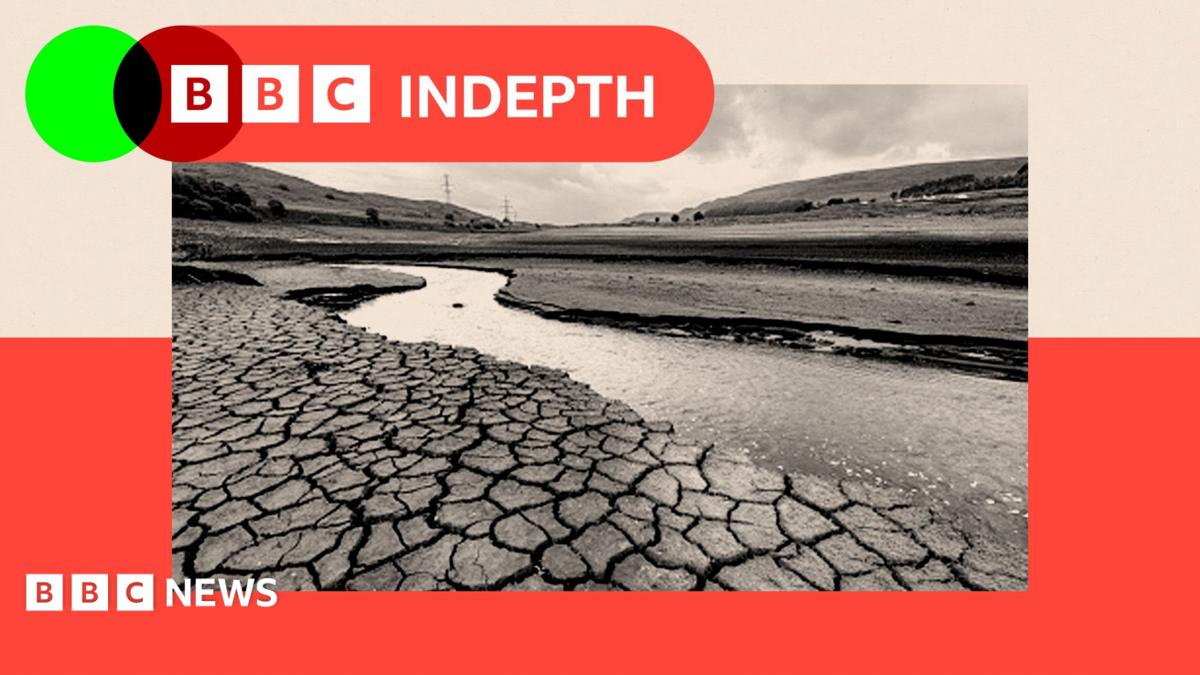
England has already experienced a wetter winter, and climate models suggest the country could see more intense rainfall in the future. This raises an important question: can England capture and store more surplus water for use during future droughts?
One potential solution is to build new reservoirs. However, England has not constructed a large-scale reservoir for more than 30 years.
The reasons for the shortage of new water-storage infrastructure remain hotly contested. Environmental campaigners blame years of underinvestment by privatised water companies, while the companies argue that regulators have not allowed them to raise or allocate enough funding without increasing household water bills.
The government’s landmark independent Cunliffe Inquiry into the water sector, published in 2025, concluded that both sides had valid arguments.
Ten new reservoirs are currently planned for England by 2050. Yet even with political and financial backing, finding suitable sites and building major reservoirs is a complex process.
“To build enough reservoirs to store all the additional water, you need the right landscape,” explains Dr Ross Woods, associate professor of water and environmental engineering at the University of Bristol. “That means areas where the land slopes and valleys can be dammed.”
“I don’t think that’s realistic nationally.”
One site considered suitable for a major reservoir capable of supplying around 15 million people is located near Abingdon in Oxfordshire.
Until recently, the picturesque town on the banks of the River Thames was perhaps best known for its bun-throwing tradition. It is now at the centre of a national debate over England’s future water supply.
Public opinion about the proposed Abingdon reservoir is divided. Opponents have raised concerns about its environmental impact, including the potential loss of ancient woodland and other natural habitats.
The government has designated the Abingdon reservoir and one other project as infrastructure projects of national importance. This designation could bypass some elements of the local planning process.
However, national infrastructure status does not remove the environmental challenges involved in constructing a new reservoir.
Under environmental law, reservoirs must achieve “good” status for water quality. This requires protection from pollution, including agricultural run-off and invasive species. At present, only 14% of the UK’s reservoirs meet this standard. The Environment Agency told the Cunliffe Review: “The cost of treatment to meet ‘good’ could make it impossible to build new reservoirs.”
Source: www.bbc.co.uk