


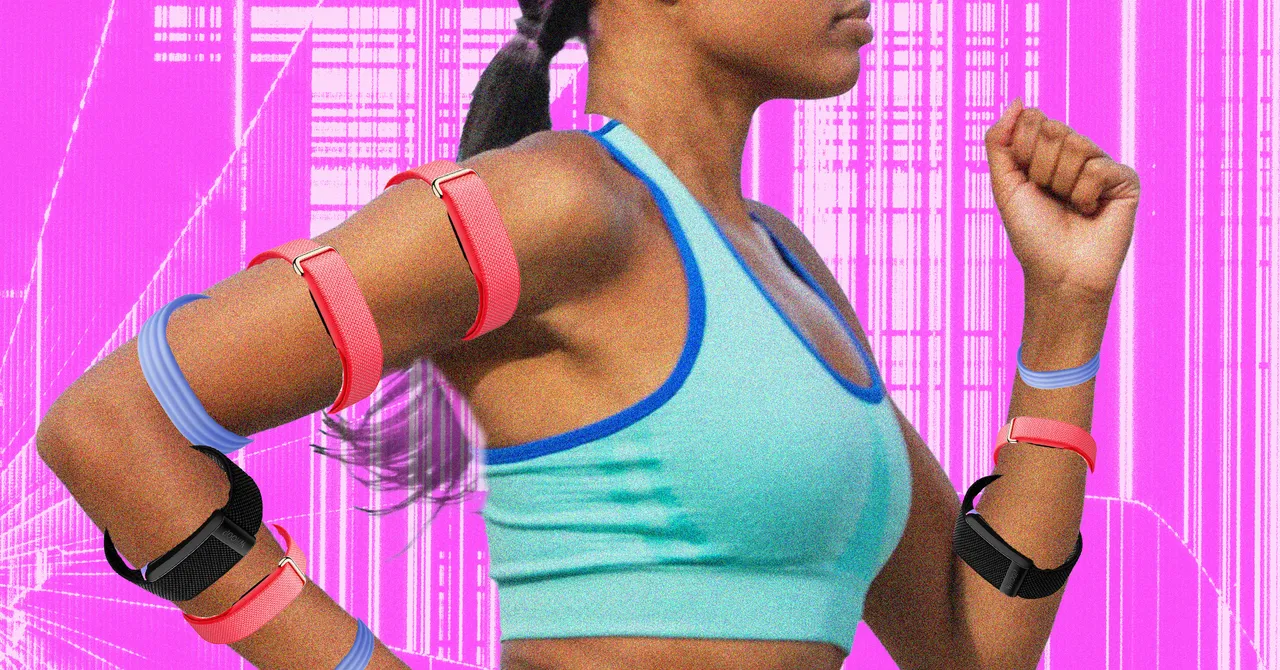
Whoop has been developing screenless wearable technology since launching its first major product in 2015. Over the past decade, however, the company’s identity has evolved alongside the broader wearable technology market. Today, the Whoop Band is designed for almost anyone who can afford its $199 annual subscription, promising a system that helps users “sleep, train, and feel better from day one.” That inclusive message is a significant departure from Whoop’s 2015 positioning as a “performance optimization system designed exclusively for elite athletes and teams.” So, what can 10 years of wearable innovation—and the rise of artificial intelligence—tell us about the future of fitness tracking?
Although Whoop has long centered its platform on the now-familiar concept of training readiness, the wearable market has changed considerably. It may be tempting to say that Google, Fitbit, and other competitors are simply trying to catch up with Whoop, but the shift is broader than that. Like many major technology companies, wearable brands are increasingly promoting a more “distraction-free” approach to health and fitness tracking.
In at least three important ways, this shift can be linked to the growing influence of artificial intelligence.
How AI Is Changing Wearable Health Tracking
AI is both a powerful upselling tool for wearable companies and one of the reasons many people are seeking less distracting technology. While most of Whoop’s competitors claim their devices can be used without a subscription, several rely heavily on AI-powered features as premium upgrades.
Consider Google and Fitbit, for example. Even without a subscription, the app offers attractive visuals, detailed statistics, and useful graphs. However, users who want a conversational explanation of their data must subscribe to Google Health Premium, which costs $10 per month. The raw numbers and graph lines are transformed into personalized summaries that reference specific events and patterns from the day. As humorist and podcaster John Hodgman might say, specificity is the soul of a story.
This is only the beginning. “The use of AI in health monitoring and guidance is still in the early stages of development, but has the potential for significant advances as AI matures,” said Peter Richardson, vice president and co-founder of Counterpoint Research.
I find Google Fitbit’s chatbot explanations extremely annoying and, at times, condescending. Some users may prefer a subscription-free experience. However, my work has required me to learn about health metrics that are not widely understood, including what VO2 max means and how to interpret heart rate variability trends.
AI could help solve a long-standing problem with wearable devices: users often struggle to understand data beyond basic daily step counts. AI-generated insights are generally more useful on a smartphone than on a smartwatch display, which means a screenless wearable can actually be an advantage. Without a screen competing for attention, the device can collect health data while AI delivers the explanation when users are ready for it.
The Rise of Technostress
However, AI’s most significant impact may be on the other side of the equation. It represents the latest stage in the technologization of everyday life. I have heard from several friends whose recent performance reviews focused on demands from upper management to incorporate more AI into their “personal workflows.” Perhaps you have experienced something similar.
Elizabeth Marsh, a postdoctoral researcher at the University of Nottingham, examined the dark side of the digital workplace. Her research found that digital tools consistently contribute to common problems such as technostress, information overload, constant interruptions, and blurred boundaries between work and home life.
Source: www.wired.com