


Orionid Meteor Shower: How to See Bright Meteors from Halley’s Comet
The Orionid meteor shower is an annual display caused by debris left behind by Halley’s Comet as it travels around the Sun.
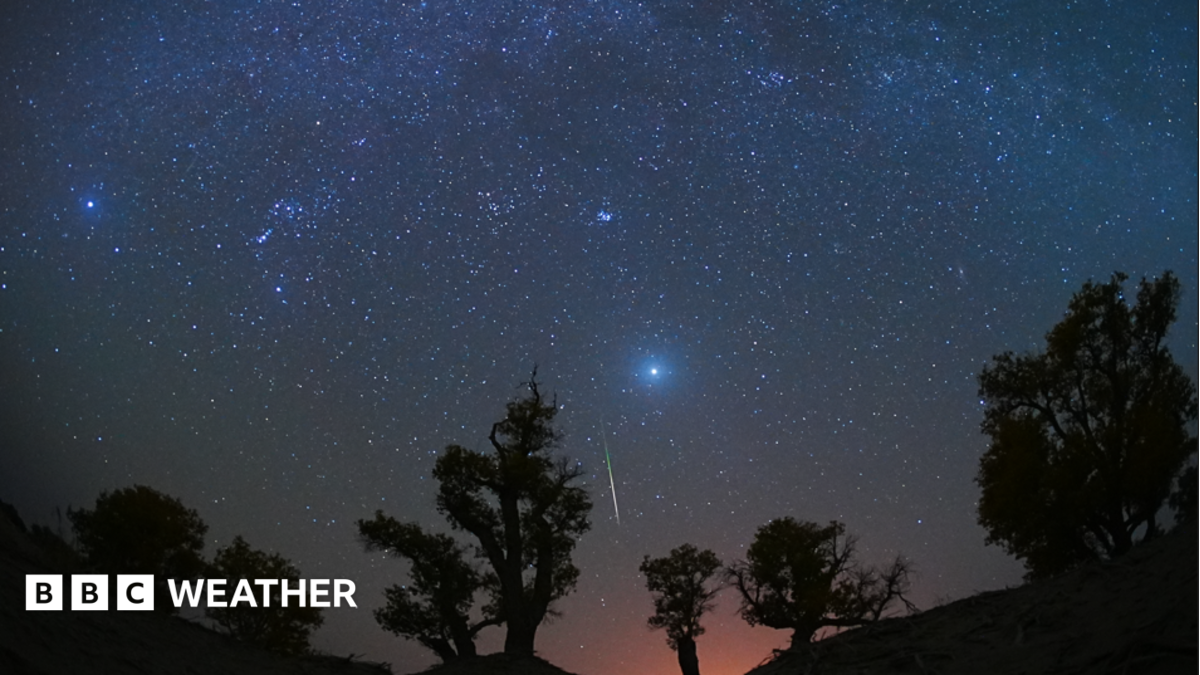
Each year, Earth passes through this trail of comet dust. As the particles enter the atmosphere, friction causes them to burn up and create bright streaks of light across the night sky.
Why the Orionids Are So Bright
The Orionids are fast-moving meteors, entering the atmosphere at around 61 miles per second. They can produce long, glowing trails and, occasionally, bright fireballs.
How to Watch the Orionid Meteor Shower
For the best chance of seeing Orionid meteors, choose a location with wide, dark skies away from urban light pollution. Allow your eyes to adjust to the darkness for around 20 minutes.
Orionid meteors are visible to the naked eye, so you do not need binoculars, a telescope or any other special equipment.
Where to Look for Orionid Meteors
The meteors appear to originate from the constellation Orion, near the red supergiant star Betelgeuse. This point in the sky is known as the radiant.
From midnight until dawn, Orion rises high in the southern sky before moving towards the southwest. Although the meteors appear to come from the radiant, look slightly farther away from it for a better view of their trails.
How the Moon Could Affect Visibility
Unfortunately, on the night of October 21, the Moon will be in its waxing phase. Its extra light will brighten the night sky and reduce the visibility of the meteor shower.
Viewing conditions should improve after the Moon sets at around 03:00 BST on Thursday morning.
Source: www.bbc.co.uk