


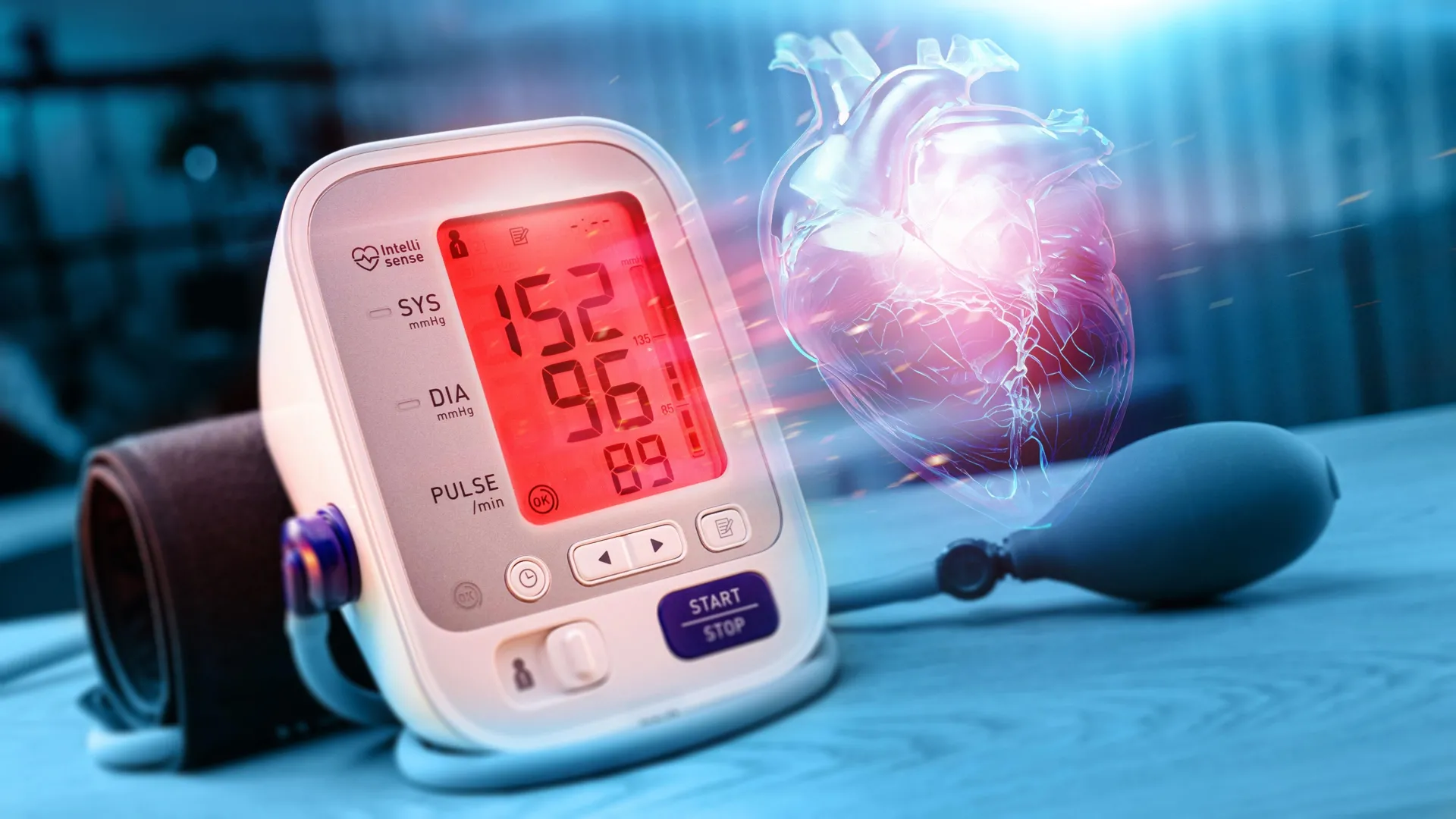
Simple practices such as mindfulness, gratitude journaling, and optimism training may improve key markers of cardiovascular health within just a few weeks. Research suggests that positive psychology and mindfulness programs are associated with lower blood pressure, reduced inflammation, and improvements in other heart disease risk factors. Some benefits may result from healthier lifestyle behaviors, including better nutrition, increased physical activity, and improved medication adherence. Researchers note that continued support may be necessary to maintain these improvements over time.
Rosalba (Rose) Hernandez, a professor of social work at the University of Illinois Urbana-Champaign, led the research team. Researchers reviewed 18 randomized controlled trials evaluating positive psychology and mindfulness interventions designed to improve mental well-being and cardiovascular health.
How positive psychology programs support heart health
The programs used a variety of delivery methods. Some included structured telephone sessions, journaling with brief check-ins, or digital tools such as mobile apps and text messages. Other interventions featured interactive, in-person group meetings or a combination of in-person activities, online resources, and virtual sessions.
Most programs offered weekly sessions along with at-home exercises to reinforce the skills participants learned. The interventions generally lasted between six and 12 weeks.
Study participants typically included 50 to 200 adults who already had an elevated risk of cardiovascular disease, including people with uncontrolled high blood pressure, heart failure, or other health conditions. Most participants were in their late 50s to mid-60s. In studies that reported gender, women represented 35% to 55% of participants.
“In a hypertension and acute coronary syndrome cohort, an eight-week mindfulness-based program reduced systolic blood pressure and inflammatory markers, including high-sensitivity C-reactive protein and fibrinogen,” said Hernandez, an American Heart Association Fellow. “A 12-week spirituality-based digital intervention produced one of the largest reductions. Systolic blood pressure measured with a standard cuff decreased by 7.6 points, while central systolic blood pressure, measured in the aorta as it leaves the heart, declined by 4.1 points.”
How much mindfulness and positivity may be needed?
Previous research has not clearly established how often people need to practice positive psychology techniques—or how long they must continue—to experience cardiovascular benefits, Hernandez said. Her team examined which level of participation was most consistently linked to improvements in heart health.
The review found that programs involving more frequent participant contact tended to produce the most reliable physiological benefits. According to Hernandez, the findings suggest that positive psychology strategies could become a valuable part of long-term cardiovascular disease prevention and treatment.
The most significant behavioral changes occurred in an eight-week WhatsApp-based program that combined weekly sessions with daily microtasks. Participants were encouraged to become more physically active, improve their diet, and take prescribed medications as directed.
Another program that used motivational interviewing increased physical activity among people with heart disease by approximately 1,800 steps per day and improved medication adherence. The mindfulness program also improved physical activity and diet, although it did not produce the same improvement in medication adherence, according to the study.
“The therapeutic dose most consistently associated with improvements in blood pressure, inflammation, and endothelial function was daily practice reinforced by weekly sessions over eight to 12 weeks,” Hernandez said. “Therapeutic agents typically require frequent dosing during this period to produce short-term physiological effects. However, sustained but less intensive contact may be needed to maintain lasting behavior changes.”
Why mental health belongs in cardiovascular care
The study was published in the journal Cardiology Clinics. Co-authors included Seung-Hyun Kwon, a social work professor at the University of South Florida; Alyssa M. Vera, a professor of surgery, psychiatry, and behavioral sciences at Northwestern University Feinberg School of Medicine; and Katherine S. Edwards, a professor of cardiovascular medicine, psychiatry, and behavioral medicine at Stanford University.
“The results of this study further demonstrate the importance of paying attention to mental and behavioral health to prevent cardiovascular disease and optimize cardiovascular health,” Vella said. “This speaks to the need for routine screening and the integration of cardiac behavioral medicine to provide important interventions.”
The findings add to growing evidence connecting psychological well-being with cardiovascular protection. Traits and experiences such as optimism, positive emotions, gratitude, and mindfulness are increasingly associated with healthier behaviors and improved overall well-being.
Previous research connected optimism with better heart health
The new review builds on earlier research led by Hernandez, which found that people with higher levels of optimism tended to have healthier hearts. That study was published in the journal Health Behavior and Policy Review.
The earlier research was funded by the National Institutes of Health and the National Center for Research Resources. The study was co-authored by Chiari N. Kershaw, Juned Siddique, and Hongyang Ning, professors of preventive medicine at Northwestern University Feinberg School of Medicine; Donald M. Lloyd-Jones, professor of preventive medicine and epidemiology at Boston University Chobanian & Avedisian School of Medicine; Julia K. Boehm, professor of psychology at Chapman University; Laura D. Kubzanski, professor of social and behavioral sciences at Harvard T.H. Chan School of Public Health; and Dr. Ana Diez Lu, Distinguished Professor of Epidemiology at Drexel University.
Source: www.sciencedaily.com