



Can prebiotics, probiotics, and postbiotics help restore gut microbiome balance?
Joshua Earl/Unsplash
I often find myself writing about biomedical science, and amusingly, I tend to manifest symptoms related to the diseases I’m researching. For instance, while working on an article about chronic sinusitis, I started sniffling uncontrollably. Following a recent piece on hearing loss, I’m convinced that deafness is imminent. When the topic was snoring, my snoring escalated dramatically. This leads me to believe we’ve stumbled upon a novel form of hypochondria.
Fortunately, these symptoms usually fade when I move on to a new topic — but occasionally, they stick around. A year ago, I wrote about chronic constipation. Perhaps that’s enough said.
Despite my unchanged eating habits, which include drinking plenty of water and regular exercise, I still found myself dealing with constipation. Is it simply age catching up? One hallmark of aging is a condition known as dysbiosis, which disrupts the gut microbiome. While this microbiome remains stable throughout most adulthood, it often shifts and can worsen as we age. One consequence of dysbiosis is constipation, but there are even more concerning implications.
Dysbiosis is challenging to define, as our gut microbiota is unique, shaped by diet, environment, and years of medical history. Roughly speaking, it signifies a shift from cooperative and beneficial microbial species to more pathogenic ones. Numerous studies have indicated that aging correlates with symptoms, including a reduction in overall microbial biodiversity, particularly among the “friendly” bacteria that ferment dietary fiber and produce anti-inflammatory compounds. These beneficial microbes are gradually replaced by more harmful groups, like Enterobacteriaceae, which includes some harmless species but also Escherichia coli, Salmonella, and Staphylococcus ruber.
While the precise causes of dysbiosis remain unclear, some well-known factors include the aging of immune cells in the large intestine lining. Throughout our lives, these cells work diligently to nurture beneficial intestinal microorganisms and fend off harmful bacteria, but over time, their effectiveness declines. Consequently, harmful bacteria begin to dominate.
Thus begins a vicious cycle. Pathogenic microorganisms can breach the previously robust intestinal barrier, entering the bloodstream and provoking an immune response, which leads to chronic, low-level inflammation. This inflammation further damages the intestinal immune cells and exacerbates dysbiosis. The repercussions extend beyond the gut, linking dysbiosis to a variety of geriatric diseases, affecting organs from the brain to the liver, kidneys, muscles, bones, fat, and lungs.
Conversely, those who age gracefully often exhibit an exceptionally active intestinal microbiota. A well-documented case involved researchers analyzing the blood, saliva, and feces of the world’s oldest person, María Blañas Morera, who lived to be 117 years old (passing away in August 2024). They discovered that she possessed three remarkable longevity traits: a rich array of genes associated with a long lifespan, highly efficient lipid metabolism, and a gut microbiome typical of much younger individuals, particularly a genus called Bifidobacterium, which produces anti-inflammatory molecules. Notably, the abundance of these beneficial bacteria tends to decline with age. María was not an anomaly; studies consistently show that centenarians often maintain a youthful gut microbiome.
Given the critical importance of gut health, it’s essential to take action if we notice early signs of dysbiosis. One approach is analyzing my gut microbiome. While the UK’s National Health Service doesn’t currently offer this service, numerous private companies provide home test kits. However, a recent study indicated that the diagnostic reliability of these kits can vary significantly among providers. According to researcher Stephanie Servetas from the National Institute of Standards and Technology, “The diagnostic capabilities of these tests remain largely underdeveloped.”
Tips for Promoting Gut Health

Is it more effective to fight inflammation through diet than through supplements?
Jonah Images/Alamy
Diet is a crucial aspect of gut health. As noted by Andrea Ticinesi from the Microbiome Research Hub at the University of Parma, diet significantly influences the composition of our gut microbiome. A year-long clinical trial demonstrated that adhering to a Mediterranean-style diet — rich in vegetables, legumes, fruits, nuts, cereals, fish, and olive oil — can effectively increase levels of beneficial bacteria, reduce inflammation, decrease frailty, and boost cognitive function.
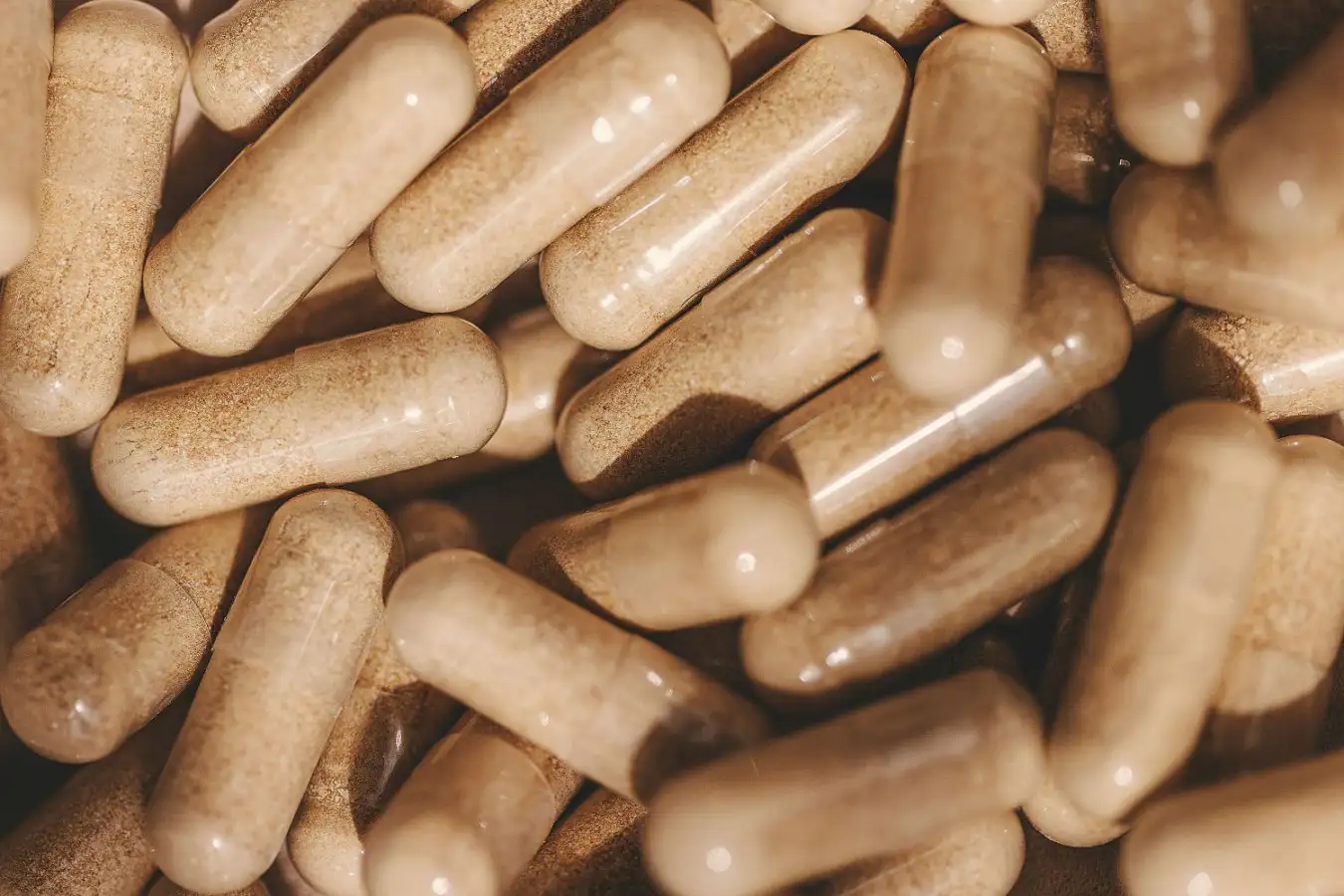
While my diet already mirrors this, I’m considering adding extra beneficial bacteria through probiotics — supplements that primarily consist of live bacteria like Bifidobacterium and lactic acid bacteria. Clinical research indicates that probiotics can mitigate some aging-related symptoms, such as muscle wasting and mild cognitive impairment by modifying the gut microbiome, albeit they may not reliably reduce inflammation. Evidence concerning prebiotics and postbiotics remains inconclusive. Good sleep and regular exercise can also contribute to improved gut health.
Finally, we might benefit from the wisdom of centenarians. In an interview, Morella credited her remarkable longevity to consuming three servings of natural, unsweetened yogurt daily. Researchers suggest this habit likely provided her intestines with nutrients vital for Bifidobacterium growth. Though yogurt isn’t typically in my diet, I plan to incorporate it into my routine and monitor the outcomes.
Topics:
Source: www.newscientist.com