


Atlantic Hurricane Season Reaches Its Peak With No Hurricanes
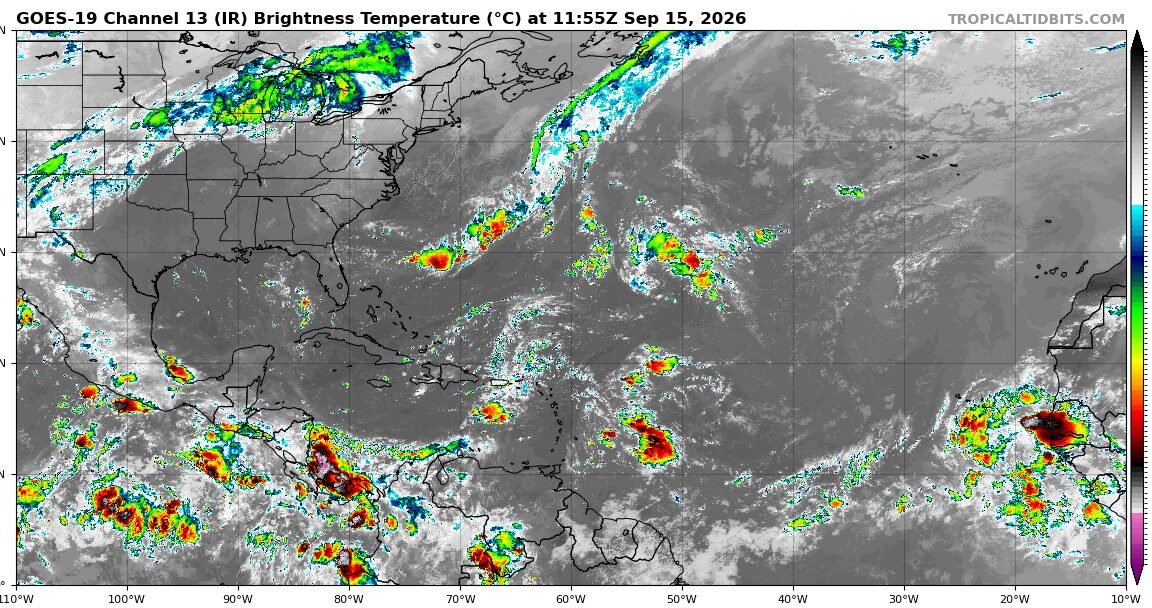
The Atlantic hurricane season has passed its traditional peak around September 10 with no storms, hurricanes, or even tropical waves developing. The unusually quiet season is drawing attention because this is typically the point when tropical sea surface temperatures are warmest and atmospheric conditions are most favorable for storm formation.
This year, however, Saharan dust and strong wind shear are suppressing activity in the main tropical development regions.
A welcome break for coastal communities
There is little reason to complain about the lack of hurricanes. Storms that make landfall can cause catastrophic damage along the coast and bring significant rainfall far inland. A system approaching the Gulf of Mexico could also send energy prices sharply higher, adding to economic pressure.
Why the quiet Atlantic season is historic
Although a hurricane-free stretch is welcome, the season’s tranquility is notable from a historical perspective.
In early 1944, the United States began using aircraft to monitor the Atlantic basin, including the Gulf of Mexico, the Caribbean, and the North Atlantic. Before that effort, hurricanes were tracked primarily through reports from ships, meaning some storms likely went unobserved.
Since 1944, at least one Atlantic hurricane has been recorded before September 11 every year. The most recent first Atlantic hurricane to form that late was Gustav in 2002. In 2013, Humberto also formed unusually late.
Official Atlantic hurricane records date back to 1851. Even when those earlier, less reliable records are included, at least one hurricane has been recorded every year. In 1941, the season’s first hurricane did not occur until September 17—the latest first hurricane in the historical record.
National Hurricane Center sees little immediate threat
The Atlantic is expected to remain without a hurricane through the end of Thursday. The National Hurricane Center is monitoring a disturbance in the Atlantic, but the system has a “nearly zero” chance of becoming a tropical depression or tropical storm over the next two days. It is even less likely to develop into a hurricane.
For now, Saharan dust and wind shear continue to keep the Atlantic unusually quiet during one of the season’s most active periods.
Source: arstechnica.com