


U.S. and China Explore AI Incident-Reporting Framework Amid Rising Security Concerns
U.S. and Chinese officials have begun discussions on a mechanism that would allow the two countries to notify each other about artificial intelligence incidents that could threaten national security.
What the U.S.-China AI Dialogue Could Address
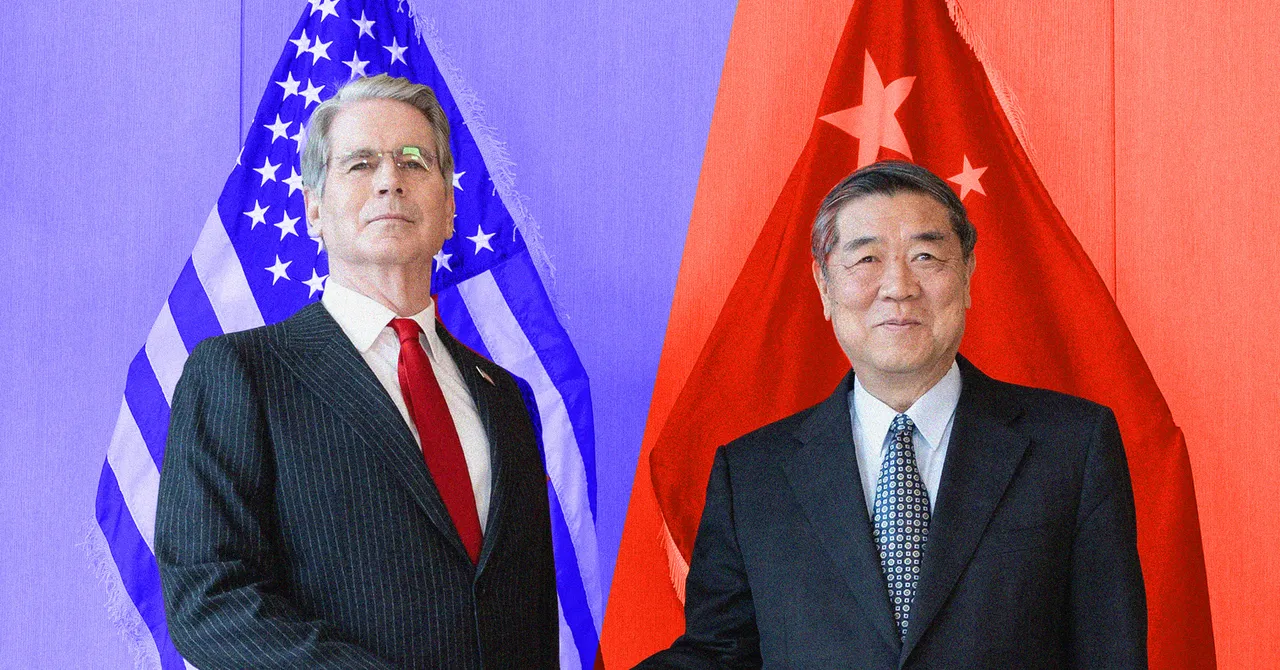
The proposed framework, called the U.S.-China AI Dialogue, would bring representatives from both countries together again to discuss technology and align on shared goals and threats, Treasury Secretary Scott Bessent said.
“As with other cross-border activities, we think it is very important to move from opacity to transparency between the world’s No. 1 and No. 2 AI powers,” Bessent told reporters on Sunday.
Bessent said the discussions resumed where they left off after U.S. President Donald Trump’s visit to Beijing in May. Since then, public safety concerns surrounding artificial intelligence have intensified. Security incidents over the summer, including the Hugging Face hack by OpenAI’s agents, highlighted how frontier AI capabilities and industry security measures have failed to keep pace.
AI Safety Fears Intensify
Concerns reached a fever pitch earlier this month when Anthropic employees warned that AI could be on a path toward destroying humanity. In recent weeks, leaders at major frontier AI institutes—including OpenAI’s Sam Altman, Anthropic’s Dario Amodei and Elon Musk—have called for slowing the technology’s development while establishing safety standards.
In an essay outlining steps for institutions and governments to match the pace of AI development, Amodei called for government support for international cooperation, including collaboration with the Chinese Communist Party.
Trump Administration Resists New AI Regulation
Despite growing bipartisan support for industry regulation, President Trump has so far largely rejected calls for additional rules. The administration argues that the U.S. government already has sufficient criminal and regulatory powers over AI developers.
He is not alone. Jensen Huang, CEO of Nvidia, which builds AI infrastructure, said AI companies are already subject to cybersecurity and liability laws. “Apply it first,” he said in an interview with CBS News over the weekend. “We must not allow this apocalyptic narrative to free anyone from the laws that currently exist.”
U.S.-China Competition Complicates AI Cooperation
President Trump has said that an economic slowdown could allow China to overtake the United States in technology leadership, which he described as dangerous:
“The one who beats the AI wins!”
His chief scientific adviser, David Sachs, previously warned that it was “very unlikely that China would ever join a global agreement” aimed at accelerating the pace of AI development.
Thomas Wolff, co-founder of open-source AI platform Hugging Face, which Nvidia recently agreed to acquire, questioned whether the United States can build international cooperation while “making clear it wants to design itself to continue extending its lead.”
“That seems like a pretty counterproductive way to start a conversation to me,” he said in a reply on X to Amodei’s essay.
AI Incident Talks Held Alongside Trade Discussions
The United States is currently trying to curb China’s AI progress by restricting exports of advanced chips and chip-making technology to the country. Bessent said officials did not discuss those U.S. export controls during this weekend’s meeting, which also included trade talks.
Bessent described the trade discussions as “very successful” ahead of Chinese President Xi Jinping’s visit to Washington this week.
Source: www.wired.com