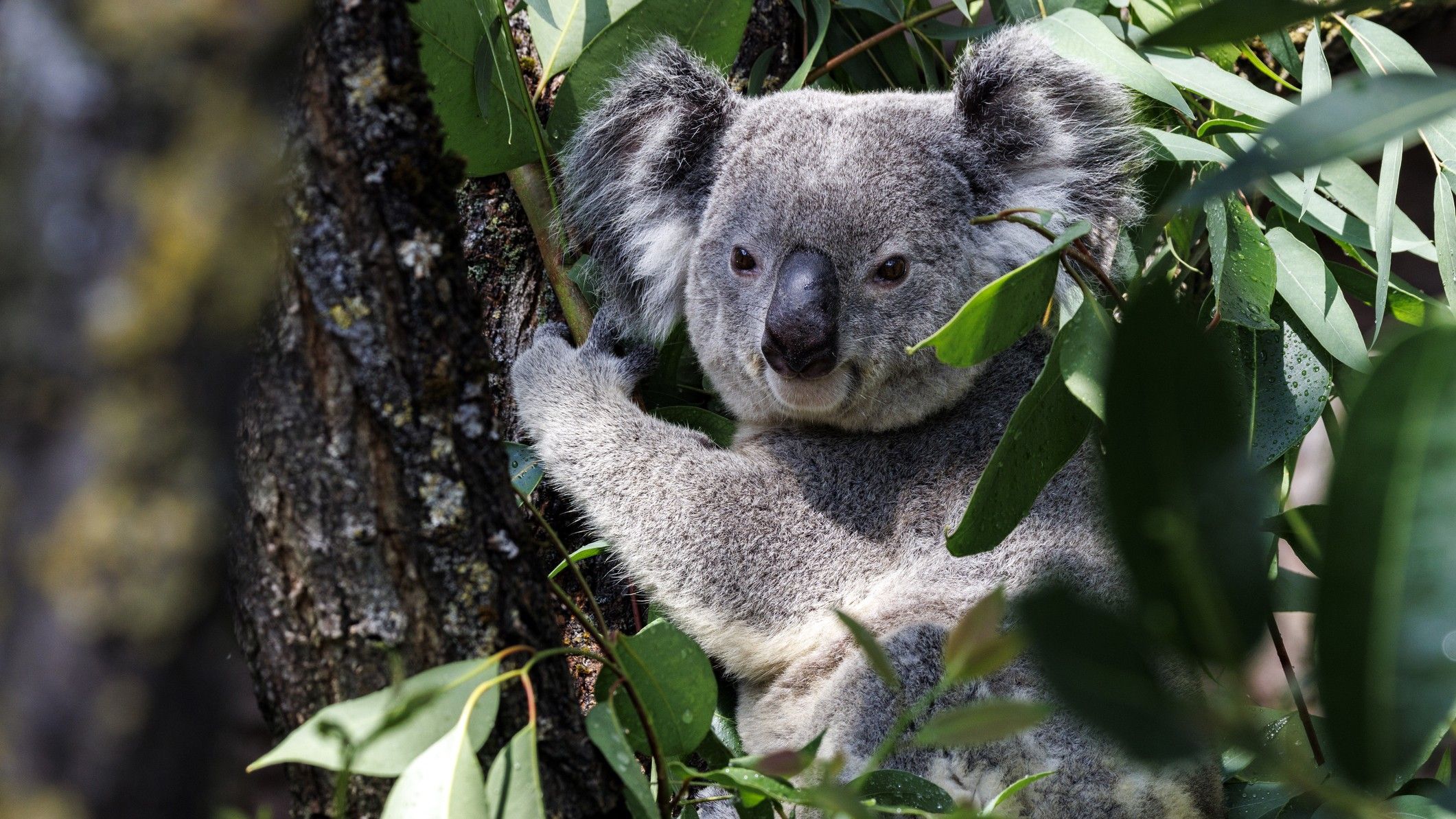
Australian scientists are pioneering efforts to save koala populations by flash-freezing koala eggs and sperm, serving as a crucial “genetic backup” against potential extinction.
This genetic reserve could be instrumental in creating viable koala embryos via artificial insemination or in vitro fertilization (IVF), as outlined in a recent study published by the researchers. According to their statement, the preservation of these genetic materials is paramount as it helps maintain unique traits and genetic diversity vital for adapting to changing environmental conditions. The project aims to tackle the diminishing genetic diversity that threatens future koala generations.
“Loss of genetic diversity can compromise the resilience of future generations and impair a species’ adaptability to environmental challenges,” stated Andres Gambini, a reproductive biologist at the University of Queensland involved in this endeavor. “This initiative aims to create a safe and systematic method to rescue and preserve koala reproductive cells, bolstering future conservation strategies.”
Currently, Australia faces a paradox concerning koalas, as populations are experiencing significant declines in parts of Queensland and New South Wales. Research indicates that these populations have crashed by up to 80% since the late 1990s, largely due to habitat destruction, wildfires, drought, and disease. In response, the Australian government updated koala conservation statuses, designating the eastern population as “endangered” in 2022.
Conversely, some regions in southern Australia face overpopulation of koalas. Yet, areas where they currently thrive may struggle to sustain these burgeoning populations in the long run due to the risk of overbrowsing and tree destruction, a recent study suggests.
To combat the decline of koalas, scientists propose storing the reproductive cells in liquid nitrogen (LN2) at -321 degrees Fahrenheit (-196 degrees Celsius). This innovative approach will allow the cells to remain preserved for decades, ready for future use, notes Vincent Lynch, an expert in evolutionary developmental biology from the University at Buffalo.
Each year, numerous koalas are brought to wildlife hospitals due to illness or injury, and unfortunately, not all of them recover.
Andres Gambini, Reproductive Biologist, University of Queensland
“We have successfully revived cells frozen in LN2 for decades,” said Lynch, who is not directly involved in the koala project, in an email to Live Science. “Sperm and eggs will be sourced from wildlife hospitals, collecting sex cells from deceased koalas or those unable to reproduce due to illness or injury,” as stated by the researchers.
“Sadly, many koalas require treatment in wildlife hospitals yearly due to illness or injury, but not all manage to survive,” remarks Gambini.
The researchers aim to examine the reproductive cells for Chlamydia pecorum, a highly contagious and lethal infection among koalas. This infection can lead to various serious health issues, including painful urinary tract infections, gastrointestinal complications, and even infertility in females. C. pecorum infections are one of the major contributors to the recent decline in koala populations, with nearly 90% of koalas found to be infected.
Infected reproductive cells contain C. pecorum. “We now possess the advanced technology necessary to eliminate infections from samples,” stated Steve Johnston, an Associate Professor involved in the koala project.
Project participants Andres Gambini and PhD student Patricio Dandy Palacios aim to preserve koala reproductive cells in liquid nitrogen.
Lynch stated that the number of reproductive cells required for a stable koala population remains uncertain, as it is difficult to predict how many sperm and eggs will need to be frozen. The demand for genetic diversity is likely to grow as koala populations continue to decline.
Gambini emphasized that this project does not replace traditional conservation efforts such as habitat protection and disease management but is a crucial complement. The urgency to address declining koala populations underlines the importance of proactive measures in conservation strategies.
While conservationists express deep concerns over the rapid decline of koalas, Lynch holds that there is a “possibility” to preserve the species through cryopreservation techniques.
“I support a multi-faceted approach to conservation,” he remarked. “Protecting the environment through traditional conservation enables species to be reintroduced to habitats where they can thrive.”