


Could a Record-Strength El Niño Drive Extreme Weather and Higher Food Prices?
Scientists are warning that this year’s El Niño could be among the strongest ever observed, potentially fueling extreme weather around the world. In the UK, Environment Secretary Dame Angela Eagle has urged people to keep basic supplies, including food and bottled water, at home ahead of possible severe storms this winter.
“We are about to experience perhaps the largest El Niño ever observed,” Eagle told the Guardian. “If you have a little food stockpile to last you for a while before the emergency services arrive, you’ll be much better off than if you didn’t have it.”
So could extreme weather disrupt food access in the UK and United States? Experts told Live Science that keeping several days’ worth of supplies at home may be sensible in case flooding or power outages affect local access to food. However, El Niño could also create a broader problem by pushing food prices higher.
How El Niño could affect the UK and US
In the UK, El Niño typically brings wetter-than-average conditions during the colder months of autumn and early winter. The latest forecast indicates that the UK could be affected by storms between November and January, while parts of the US may experience heavy rain throughout the winter.
El Niño occurs when warm water in the western tropical Pacific moves eastward along the equator toward the coast of South America. This natural climate pattern can raise global temperatures and increase the likelihood of heavy rain and flooding in areas including southwestern Europe, the southern United States and eastern Africa.
At the same time, El Niño can increase the risk of drought in regions such as northern South America, southern Africa and Indonesia.
Image credit: NOAA/Climate Prediction Center
Why this El Niño is raising concerns
According to the National Oceanic and Atmospheric Administration, this year’s El Niño has reached “super” levels. As of September 27, sea surface temperatures in the Niño 3.4 region of the Pacific were reported to be 5.7 degrees Fahrenheit (3.15 degrees Celsius) above average. A typical El Niño produces a smaller increase of about 1 to 2 degrees Celsius.
Researchers expect the event to peak by early 2027 and continue until at least March. Excess heat associated with human-caused global warming may also be contributing to unusually high ocean temperatures. Estimates suggest that temperatures in the Niño 3.4 region could reach about 7.2 degrees Fahrenheit (4 degrees Celsius) above average by November.
Because unusually severe weather is possible in the UK and southern United States, Michael Hinge, a senior economist at the nonprofit Alliance to Feed the Planet in Disasters, or ALLFED, said keeping essential supplies at home could be prudent.
What to keep at home during severe weather
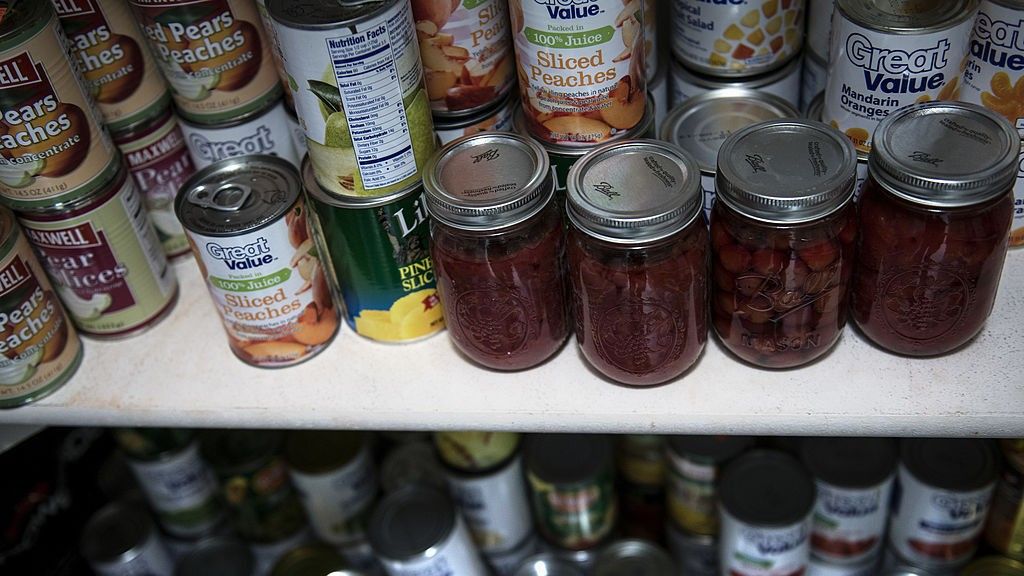
Hinge recommended having approximately 1 gallon, or 4 liters, of water per person per day, ideally for one week. Suggested food supplies include:
- Beans, fish, vegetables and fruit
- Canned pasta, rice and oats
- Peanut butter
- Preserved milk
- A manual can opener
- A camp stove and fuel
“All of the above will be determined by dietary needs, local prices and consumer preferences,” Hinge said. Supplies can be eaten toward the end of their shelf life and then replaced, which can help reduce waste and cost.
Could El Niño make food more expensive?
“In the historical record, El Niño events are usually associated with food price inflation,” Hinge told Live Science by email. “Maintaining adequate household stockpiles is a prudent step to offset short-term disruptions, but it becomes even more difficult when food becomes less affordable and available.”
The main threat to food access in high-income countries such as the UK and US may not be local food shortages caused directly by extreme weather. Instead, El Niño’s effects on agriculture in other regions could reduce supplies and increase prices, making it harder for people to afford food.
El Niño can improve growing conditions in some areas, including parts of the southern United States and Peru. But it can damage crop yields in regions such as the Indian subcontinent and West Africa, where changing weather patterns can disrupt the monsoon.
The effects are already being reported in India, where rainfall has been approximately 15% below average and the country is experiencing its weakest monsoon in 20 years, according to Reuters.
Given the unprecedented nature of this year’s El Niño event, there is a high risk of severe and large-scale regional shocks that could severely impact food access.
Michael Hinge, ALLFED senior economist
Lower crop yields in countries such as India can raise food prices internationally. Dry conditions linked to El Niño in 2023 contributed to India temporarily restricting rice exports, causing the price of this staple food to rise globally.
Hinge said food prices could rise again this year, adding to increases linked to the Russia-Ukraine war and the Iran war. Many of El Niño’s effects may not be felt until after the event reaches its peak, meaning food-price impacts could continue for months or even years.
What El Niño means for food security
The United States is the world’s largest food exporter, so it may be less exposed to rising food prices than the UK. Overall, food imports in high-income countries are unlikely to decline unless a severe catastrophe occurs. However, hunger and poverty could increase in more vulnerable parts of the world.
For the UK and other similar countries, the main impact is expected to be economic. Richard Allan, a professor of climate science at the University of Reading, said the humanitarian consequences in vulnerable regions should serve as a reminder that climate change is making the world less safe.
People can prepare for some of the disruption caused by extreme weather, but preparation has limits. Allan said reducing greenhouse-gas emissions remains the most reliable way to reduce the long-term risks associated with extreme weather, melting ice and rising sea levels during a warming climate.
Source: www.livescience.com