


NOAA Fisheries’ proposed reforms could expand commercial fishing in protected marine areas while changing long-standing environmental safeguards.
“We congratulate NOAA Fisheries and the Trump administration on these new initiatives and will serve as a resource as the agency begins implementation,” said Lisa Wallenda Picard, president and CEO of the National Fisheries Institute.
One of the most significant proposals would expedite the expansion of existing commercial fisheries and support the introduction of new fisheries in four marine national monuments: the Mariana Trench Marine National Monument, Papahānaumokuākea Marine National Monument, Rose Atoll Marine National Monument, and the Pacific Islands Heritage Marine National Monument.
According to NOAA, these four marine reserves protect “some of the last remaining relatively intact marine ecosystems.”
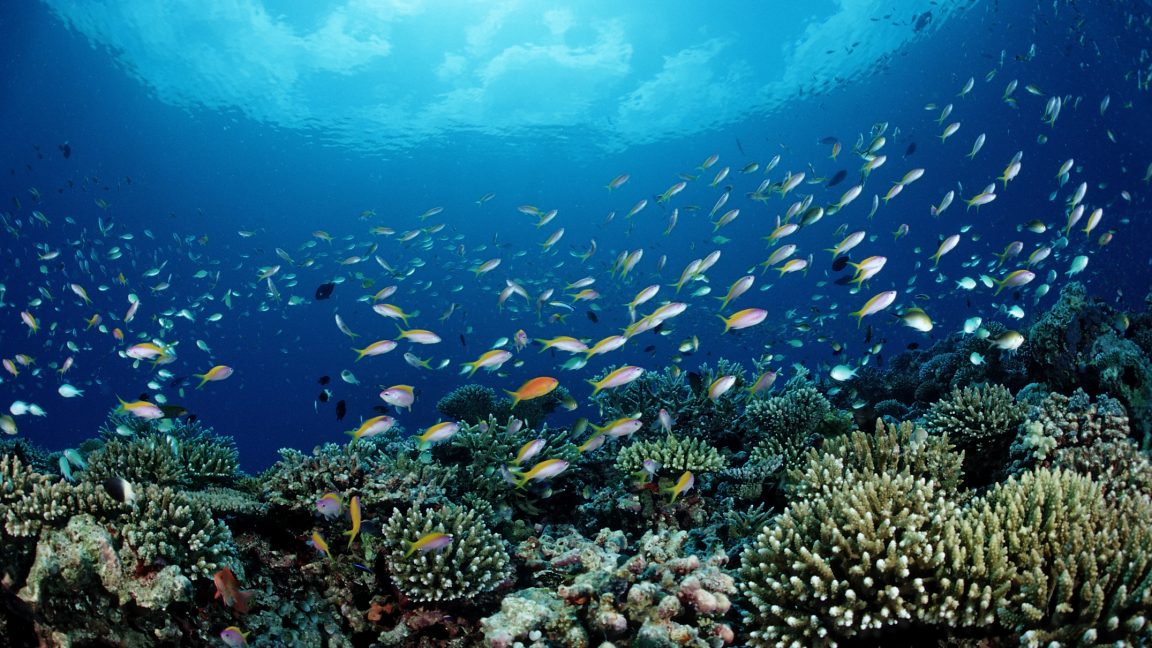
Together, the protected areas cover more than 1.1 million square miles—nearly twice the size of Alaska. They include millions of acres of coral reefs and provide habitat for species found nowhere else in the world, including the Mariana snailfish and Hawaiian pigfish.
Critics are also concerned about proposed Endangered Species Act reforms that could remove long-standing interpretations of “harm” and reduce the role of environmental protection standards. The changes could affect regulatory tools such as habitat areas of particular concern, which are intended to balance marine conservation with economic activity.
“Regulation is the backbone of sustainable fisheries management,” said Janet Coit, who served as NOAA Fisheries director under President Joe Biden. “Circumventing science-based limits could put future fish populations at risk and undermine efforts to manage fisheries responsibly.”
In response to questions about the proposed changes, a NOAA spokesperson pointed to the agency’s press release and its commitment to using the “best available information.” NOAA Fisheries Deputy Director Eugenio Pinheiro Soler said in a statement, “We are moving away from regulations that treat domestic harvesters like problems to be managed, and toward a science-based, common-sense system.”
The agency did not respond directly to questions about which scientific protections would remain in place or whether NOAA Fisheries is prioritizing commercial fishing profits over long-term environmental management.
Coit, who led NOAA Fisheries during the previous administration, said the nation’s seafood strategy should include “100 percent” support for the U.S. seafood industry. However, she warned that efforts to remove environmental protections could undermine that goal.
“Now is not the time to look away and just fish, as the effects of climate change are reshaping marine ecosystems,” Coit said.
Johnny Sturgeon is a London-based reporter covering fisheries and aquaculture. He joins us from the Outlaw Ocean Project and has experience producing in-depth ocean research for nonprofit news organizations. A former shipbuilder, he holds a bachelor’s degree in history and politics from the University of Oxford and a master’s degree from Columbia Journalism School.
This story was originally published by Inside Climate News.
Source: arstechnica.com