


Cutting Ultra-Processed Foods May Improve Depression Symptoms, Pilot Study Finds
A small pilot study from the University of California, San Francisco, adds to growing evidence that reducing ultra-processed foods may help lessen symptoms of depression.
Published on September 23 in JAMA Psychiatry, the research was funded by the National Institutes of Health. Researchers believe it is the first study to compare depression symptoms in the same participants before and after they transitioned from a regular ultra-processed diet to healthier foods.
Although only 20 people participated in the pilot study, lead author Andrew Crystal, MD, Ray and Dagmar Dolby Distinguished Professor in the Department of Psychiatry, Behavioral Sciences, and Neurology at UCSF, said the research was “successful in establishing the feasibility of conducting this study in a larger trial.”
Reducing Ultra-Processed Foods Was Linked to Fewer Depression Symptoms
Participants reduced their intake of ultra-processed foods by more than 85%. They experienced moderate to large improvements across three different measures of depression. Anxiety scores also improved slightly.
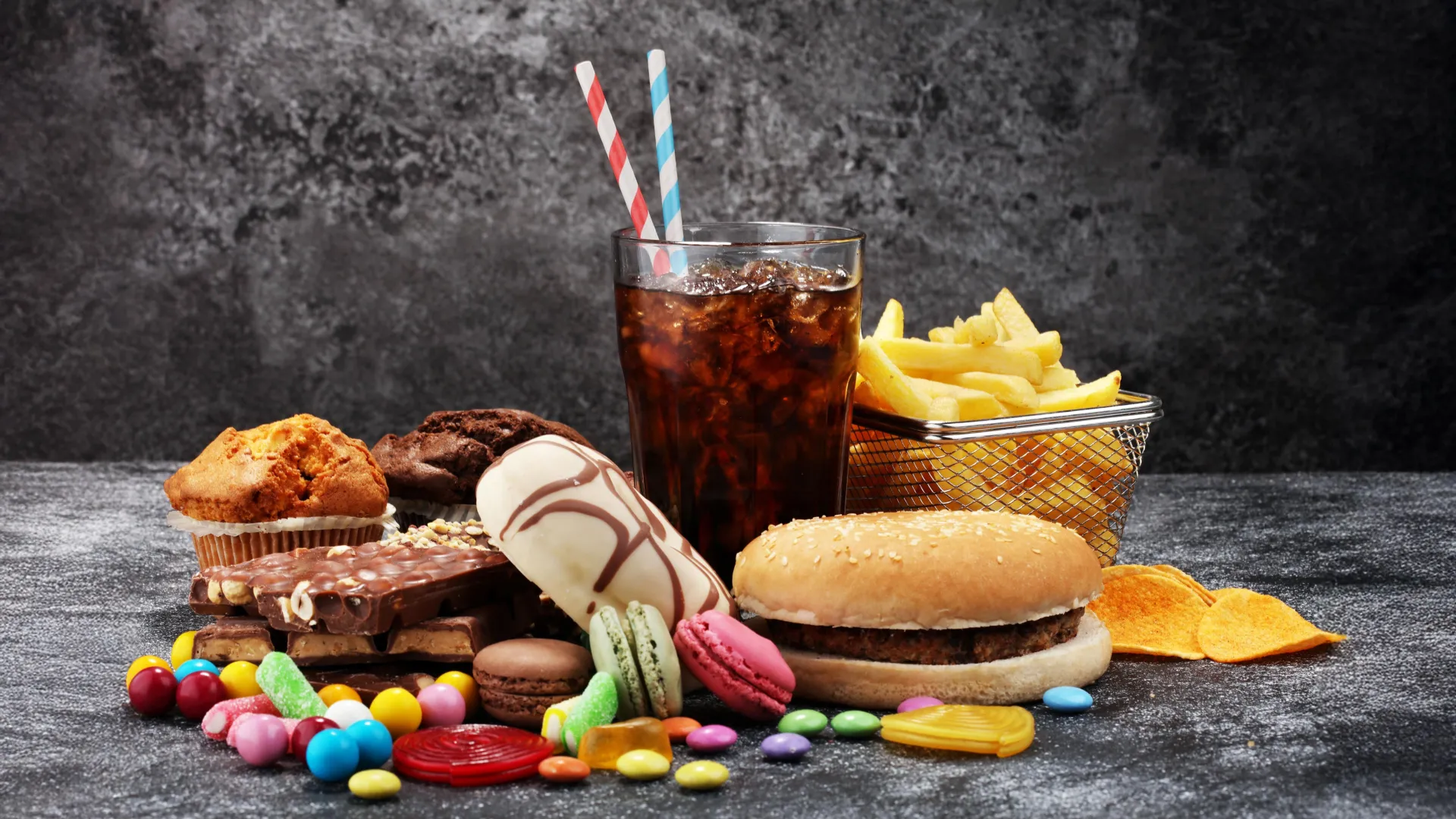
Ultra-processed foods include packaged snacks, fast foods, sugar-sweetened beverages, and other industrially manufactured products. These foods may contain preservatives, artificial colors, flavor enhancers, and emulsifiers.
“Reducing the amount of ultra-processed foods in our diets can be difficult because they are so delicious, cheap, and convenient,” said corresponding author Nyasha Chagwedera, MD, PhD, assistant professor in the UCSF Department of Psychiatry and Behavioral Sciences. “Ultra-processed foods trigger dopamine, the feel-good hormone that promotes cravings. Food companies are working with scientists to find just the right amount of sugar, salt, and fat to make you want more.”
Researchers Examine the Gut-Brain Connection
The participants had an average age of 44 years, and 70% were female. Fourteen participants also had anxiety in addition to depression. Everyone in the study had a high body mass index and at least one metabolic disorder, including high blood pressure, diabetes, or elevated LDL cholesterol.
The researchers divided the participants into two groups. One group continued its regular diet for four weeks, while the other switched to a diet low in ultra-processed foods. Participants selected and purchased their own food with guidance from the research team. After four weeks, the groups switched diets.
Chagwedera, who founded UCSF’s Metabolic Mental Health Program, said one possible explanation for the connection between ultra-processed foods and depression involves what she described as a “leaky, unbalanced gut.” According to this idea, ultra-processed foods can damage the protective lining of the intestines.
“This intestinal damage can cause low-grade chronic inflammation throughout the body, which can directly cause or predispose to depression.”
“In other words, junk processing can harm your gut in ways that ripple through to your brain.”
Larger Depression Study Planned
Because the study included only 20 participants, the results are still preliminary. Researchers now plan to study the effects in a larger group, with enrollment in the second phase expected to begin in 2028.
Study Authors and Funding
Other UCSF authors include Eliana Kim, MD, Dorothy T. Chiu, PhD, Chengshi Jin, PhD, and Katherine Lee, PhD. Other authors are Dr. Susanna Tye from the University of Queensland, Mayo Clinic, and Emory University in Australia.
Funding came from the National Institutes of Health, the National Center for the Advancement of Translational Sciences through UCSF-CTSI grant number UL1 TR001872, NHLBI grant R38AG070171, NIMH grant R38AG070171, and the UCSF Weill Neuroscience Institute.
Source: www.sciencedaily.com