


Questionable 2006 Trial May Have Inflated Evidence for Prozac in Children
A single clinical trial involving 40 Iranian children may have influenced medical evidence supporting fluoxetine, sold under the brand name Prozac, for depression in children and adolescents.
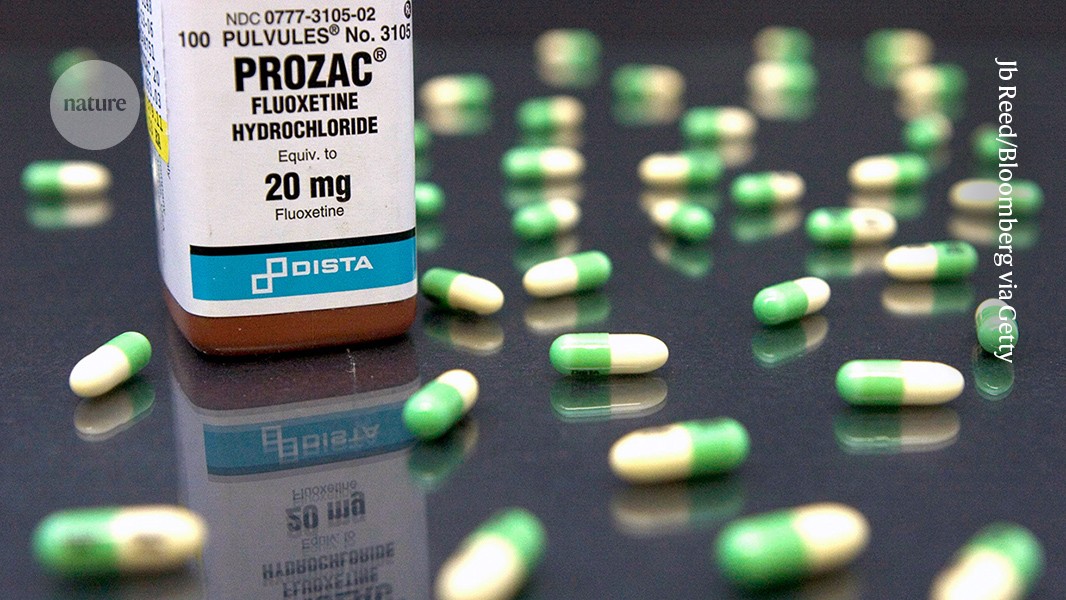
Fluoxetine, sold under the brand name Prozac, is recommended in several clinical guidelines as a treatment for depression in children and adolescents.
Credit: Jb Reed/Bloomberg via Getty
Researchers are questioning the results of the 2006 trial and whether recommendations for Prozac in pediatric clinical guidelines are sufficiently supported by the evidence. However, they have stopped short of calling on clinicians to stop prescribing fluoxetine for depression in children.
“The guidelines committee should go through a process of considering its recommendations, acknowledging the evidence we have uncovered, and considering whether its use is still justified,” says Richard Lyas, a consultant child and adolescent psychiatrist in Cambridge, UK, and co-author of a study on Cochrane evidence synthesis and methods.1
The findings show how a single “zombie” clinical trial — one containing unreliable or flawed data — can undermine the evidence base for front-line medicine, says Florian Naudé, a psychiatrist at the University of Rennes in France and a co-author of the study.
Scientists have repeatedly warned that flawed research can influence systematic reviews in medicine and other fields. However, clear-cut examples of this happening are rare, Naudé says.
The researchers who conducted the disputed trial did not respond to repeated email inquiries from Naudé’s team. They also did not contact the researchers when the team posted a preprint of its analysis on medRxiv last September or respond to requests for comment.
How one trial changed the apparent benefit of Prozac
Prozac is one of the most frequently prescribed antidepressants for children. Guidelines in many countries recommend the drug based on a 2016 meta-analysis published in The Lancet.2 That analysis found that Prozac was superior to a placebo for treating depression in children and adolescents. A 2020 meta-analysis in The Lancet Psychiatry reached a similar conclusion.3
However, a 2021 review in the Cochrane Database of Systematic Reviews found that Prozac provided only a “small and insignificant” benefit compared with a placebo and was probably no better than other antidepressants.4
In their latest study, Naudé and colleagues found that the disagreement between the meta-analyses resulted from the inclusion or exclusion of one clinical trial conducted in Iran and published in 2006.5
The trial reported that Prozac had significant benefits over another antidepressant, nortriptyline. The size of the reported effect was unprecedented in biomedicine, says Martin Predahl, a clinical psychologist at Paracelsus Medical University in Salzburg, Austria, and a co-author of the latest study.
“This is the kind of effect size you only get if you ask people whether they prefer chocolate or feces,” he says.
Plöderl, Naudé and their colleagues reran the 2016 and 2020 meta-analyses without the data from the 2006 trial. They found that Prozac’s extraordinary apparent benefits disappeared.
The 2021 analysis happened to exclude the trial because it did not include comparative studies involving certain antidepressants, including nortriptyline.
Elia Abi-Jaoude, a psychiatrist and clinician at the Hospital for Sick Children in Toronto, Canada, calls the study a “slam dunk.” “I hope it gets wide exposure,” he says.
Why researchers question the trial’s reliability
Other trials of Prozac for childhood depression have not reported effect sizes close to those described in the 2006 study. Researchers also say the trial’s results appear implausible because the reported data suggest that every child who took Prozac experienced a similar change in depression scores. The same pattern appeared in the group that took nortriptyline.
Such orderly changes are rare in clinical trials. The study also did not explain its ethics approval process.
Mednow, the publisher of the journal in which the trial appeared, said it had asked the journal’s editorial team to investigate the matter. The publisher also expected delays because of the issues currently facing Iran.
What the disputed study means for clinical guidelines
Over the past five years, the Cochrane Group — a network of clinicians, patients, carers and health researchers that promotes high standards for medical reviews — has become increasingly concerned about the impact of flawed trials. It has introduced a protocol allowing researchers to assess whether a trial is “unreliable” and potentially exclude it from a review.
For these reasons, Plöderl and colleagues argue that the 2006 trial should be removed from the evidence base for Prozac.
Andrea Cipriani, a psychiatrist at the University of Oxford in England and a co-author of the 2016 and 2020 meta-analyses that found Prozac superior to a placebo for treating depression in children and adolescents, told Nature that he agrees the trial’s data are problematic.
Cipriani said the meta-analysis team discussed the trial at the time but, without protocols for handling unreliable studies, could not find a strong reason to exclude it. The researchers cited concerns about poor methodology and risk of bias in their paper. They also added an appendix to the 2016 study stating that potential bias in the evidence meant confidence in the Prozac results was “very low”. Cipriani said the warning was repeated in the 2020 study.
Source: www.nature.com