


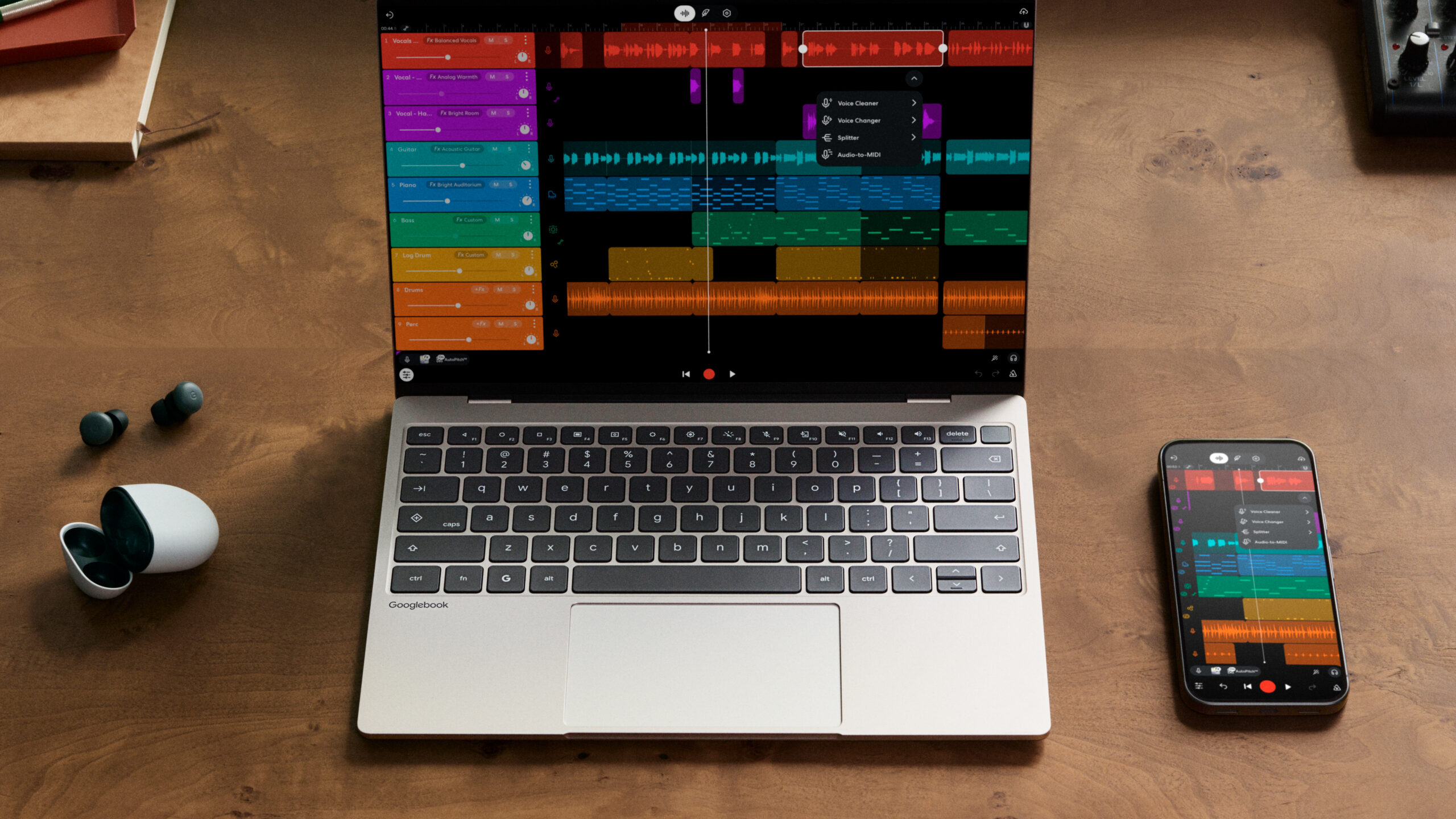
Googlebook’s Android 17 Requirement Limits Phone Compatibility
Googlebook’s mobile integration currently comes with a significant limitation: only Samsung phones running Android 17 will work once the update arrives. Owners of older or less expensive phones may not receive the operating system updates required to use the feature later.
That limitation is notable because Samsung is already better at supporting Android updates than most device manufacturers. Motorola released its 2026 phones with Android 16, but the company is still waiting for the final update to Android 17. OnePlus has recently scaled back operations in some markets and continues to test Android 17. Xiaomi is rolling out Android 17 to some high-end devices, but Googlebook is not available in most major markets.
Pixel Phones Are Currently the Only Full Integration Option
If you want to properly integrate a new Google laptop with your Android phone today, Pixel smartphones are currently the only option. Samsung remains the largest Android OEM, but the Googlebook platform may be especially appealing to people who already use Google’s bespoke Android phones.
Launching Googlebook without Samsung support—and without clearly explaining the limitation in an official statement—is not a strong start for Google’s refreshed laptop efforts.
Why Googlebook Requires Android 17
The core issue is that Googlebook relies on features exclusive to Android 17. This was once a common Android problem, with phones from different manufacturers often lagging behind major operating system updates.
Google has since worked to move more features into Google Play Services and create a modular system layer that enables faster updates. As a result, users generally have fewer reasons to worry about which Android build their phones run. There are currently very few features exclusive to the newest version, but Googlebook support appears to be one of them.
Source: arstechnica.com