


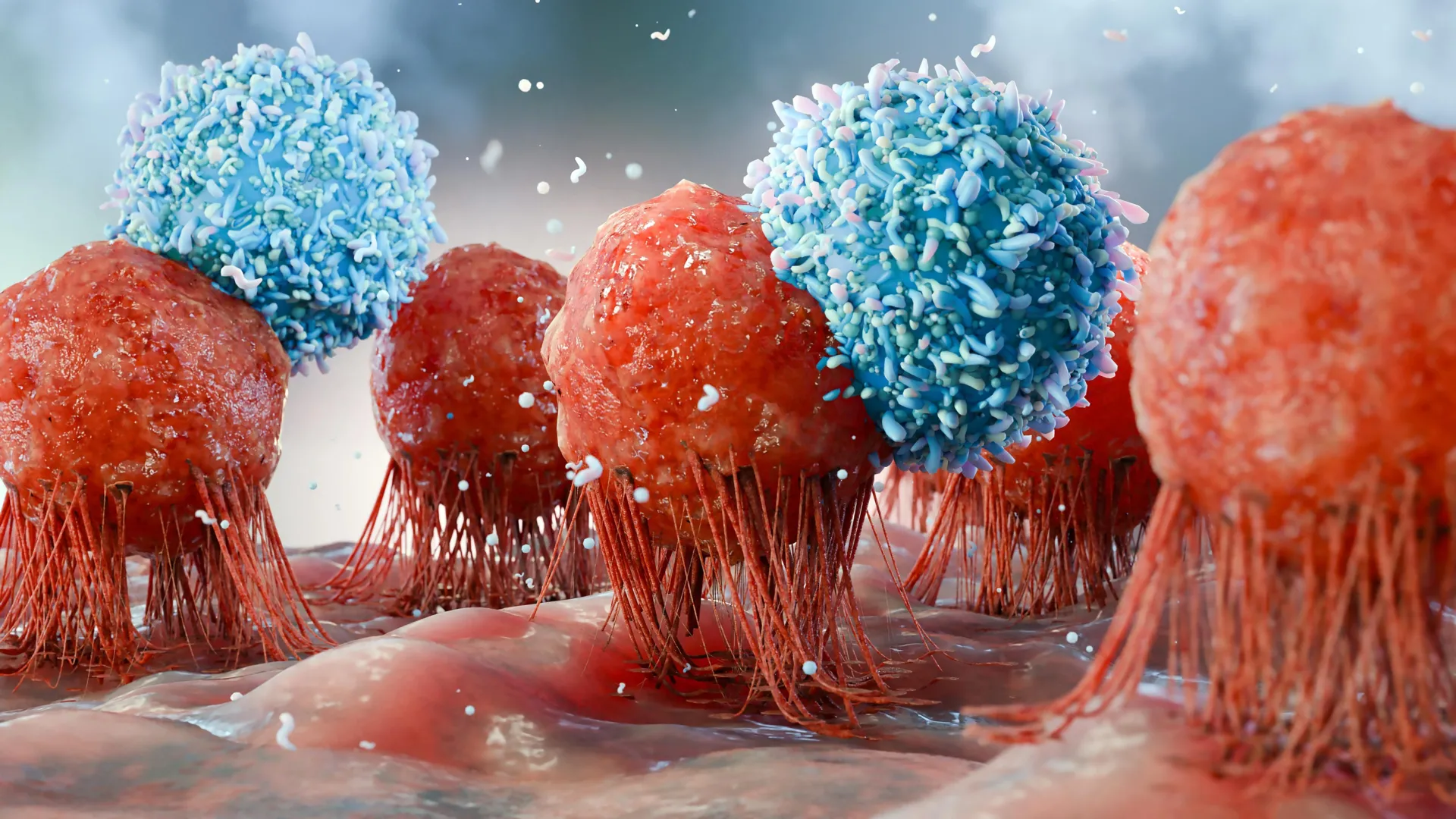
Researchers at Trinity College Dublin and University College Dublin (UCD) have found that a yeast-based nutritional supplement may strengthen cancer-fighting immune cells in obese mice, potentially opening new avenues for research into nutrition and cancer immunity.
In experiments involving obese laboratory mice, scientists discovered that adding yeast beta-glucan to the animals’ diets changed how immune cells developed. This dietary intervention produced a stronger immune response against cancer cells.
Obesity can impair immune function, making it harder for the body to detect and fight tumors. The new findings suggest that yeast-based supplements may help restore certain immune responses weakened by obesity, although further research is needed to determine whether the same effects occur in humans.
The study was published in the scientific journal Cell Reports. Research was led by Frederick Sheedy, Associate Professor of Immunology in the Department of Biochemistry and Immunology at Trinity College Dublin, and Helen Roche, Professor of Nutrigenomics at the UCD School of Public Health, Physiotherapy and Sport Sciences and Director of the UCD Conway Institute.
Using nutrition to train cancer-fighting immune cells
Dr Anna Ledwith, a postdoctoral fellow in Professor Roche’s research group and the study’s first author, said the team wanted to determine whether yeast beta-glucan—a commonly used dietary supplement—could reprogram early-stage immune cells in the bone marrow and create longer-lasting anti-tumor immune responses.
“We fed mice either a standard diet or a high-fat diet supplemented with yeast beta-glucan for four to 12 weeks,” Dr Ledwith said. “We then exposed their immune systems to different types of cancer cells, including colorectal, skin and breast cancer cells.”
The researchers also examined whether yeast beta-glucan could counter immune dysfunction linked to obesity and whether any protective effects remained after the mice lost weight.
The study focused on whether consuming yeast beta-glucans could alter developing immune cells in the bone marrow and create a form of lasting immune training. The scientists also investigated whether the supplement could help address immune changes that remain after obesity-related weight loss.
Professor Roche said the findings provide the first evidence that eating yeast beta-glucan may be enough to reprogram bone marrow stem cells and activate trained immunity. Earlier studies had achieved similar effects through injections rather than dietary intake.
Commenting on the significance of the research, Professor Roche said: “This demonstrates for the first time that dietary delivery of yeast beta-glucan is sufficient to induce trained immunity through the reprogramming of bone marrow stem cells, whereas previous studies required injections.”
She added: “Importantly, this diet restores anti-tumor innate immunity in obese mice and reverses long-term immune memory defects that persist after weight loss, which represents a major clinical challenge.”
Addressing obesity-related immune dysfunction
Obesity affects millions of people worldwide and can significantly disrupt immune function. It may increase vulnerability to infections and cancer, while some obesity-related changes to the immune system can persist even after weight loss.
In the mouse experiments, dietary yeast beta-glucan helped reverse immune memory problems that remained following weight loss. This finding may be important for future research into long-term immune effects associated with obesity.
Cancer remains one of the leading causes of death worldwide. As a result, researchers are exploring safe, accessible strategies that could help improve immune function and complement established cancer treatments.
Yeast beta-glucan is already available as a food-grade dietary supplement and has an established safety record. This makes it a potential candidate for future human studies, although it has not yet been proven to prevent or treat cancer in people.
Could yeast beta-glucan complement cancer treatment?
Looking ahead, Professor Sheedy said: “This study paves the way for dietary intervention research in people with obesity, chronic infections and other conditions involving impaired immune function. The yeast beta-glucan used, WellmuneTM from Kerry Group, is already commercially available as a food-grade product, which could help facilitate clinical trials.”
“Ultimately, simple nutritional supplements could help enhance the immune system’s ability to respond to cancer, complement treatments such as chemotherapy and immunotherapy, and potentially improve vaccine responses and resistance to infection,” he added.
The researchers say their findings could support future dietary intervention studies involving people with obesity, chronic infections and other conditions linked to weakened immune function.
Because the yeast beta-glucan used in the study is already commercially available, clinical research in humans may be possible in the future. However, researchers must first determine whether the immune benefits observed in mice can be reproduced safely and effectively in people. Individuals should not use yeast beta-glucan as a replacement for prescribed cancer treatment.
Source: www.sciencedaily.com