


X-Energy’s Xe-100: How Small Modular Nuclear Reactors Could Deliver Industrial Heat and Power
X-Energy’s proposed Xe-100 reactor is a small modular reactor (SMR) designed to generate both electricity and high-temperature industrial heat. Instead of water, it uses helium gas as a coolant, allowing it to operate at lower pressures and higher temperatures.
The helium heats water to produce superheated steam, which industry can use directly, send through turbines to generate 80 megawatts (MW) of electricity, or use for a combination of both. That output is approximately one-tenth the capacity of most nuclear reactors currently in operation.
How the Xe-100 reactor works
Like other advanced small modular reactors, the Xe-100 uses a modern uranium-based fuel called TRISO, short for tristructural isotropic. The fuel is highly resistant to corrosion and melting.
Compact TRISO “pebbles” are continuously added to the top of the reactor before slowly moving toward the bottom, where they are recycled or removed as waste. X-Energy says the reactor is inherently safe during a loss of power. If its internal temperature rises, the nuclear reaction will naturally slow down and stop.
Xe-100 key facts
- Industry: Nuclear fission
- Established: 2009
- Headquarters: Rockville, Maryland, USA
- Reactor output: 80 MW of electricity per unit
- Fuel: TRISO uranium fuel pebbles
- Coolant: Helium gas
- Notable fact: The first helium-cooled nuclear reactors were proposed for the Manhattan Project during World War II, but were abandoned in favor of simpler, cheaper water-cooled designs.
Potential impact of the Xe-100
Industrial heating currently accounts for 18% of space heating. About half of that is associated with high-temperature processes that are difficult to decarbonize, according to information cited by the World Business Council for Sustainable Development.
Pairing small nuclear reactors with large manufacturing facilities could help reduce some of the world’s largest sources of carbon emissions. Because the Xe-100 is designed to provide both heat and electricity, it could support industrial operations that currently rely on fossil fuels.
The reactor could also be used in the fossil fuel industry. Companies currently use large amounts of natural gas to recover oil from tar sands and generate the heat required during oil refining.
Power for data centers and industrial facilities
The Xe-100’s flexibility could also make it suitable for conventional power generation. By reducing the size and output of nuclear plants from today’s gigawatt-scale designs, small reactors such as the Xe-100 could serve a wider range of markets, including individual data centers.
AI and data centers are currently the single largest component of new electricity demand in the United States. Electricity consumption associated with AI and data centers is expected to double again by 2030.
X-Energy says up to 12 Xe-100 reactors can be clustered to provide 24/7 power at a site. The company says this could cost less than traditional nuclear power plants while avoiding the need for additional transmission infrastructure.
Challenges and precautions
Although helium-cooled nuclear fission technology is well understood, commercial-scale power generation using this approach currently exists only in China, where two nuclear reactors have struggled to remain operational.
X-Energy says its vertically integrated fuel supply will support reliable operation and that the Xe-100 has a 60-year lifespan. However, the economic case for small modular reactors remains largely unproven.
Nuclear construction costs and schedules tend to increase, and the U.S. Energy Information Administration estimates that electricity from SMRs can cost more than six times as much as electricity from solar farms. The current U.S. regulatory and government funding environment favors nuclear power, but that could change during X-Energy’s long development period.
TRISO fuel may offer advantages for safety and non-proliferation because its solid spheres would be difficult to convert into a weapon. Waste disposal is a greater concern. The Xe-100 has the potential to produce 10 times more spent nuclear fuel per unit of energy than existing reactors, although its lower-level waste requires less sophisticated storage.
What happens next for X-Energy?
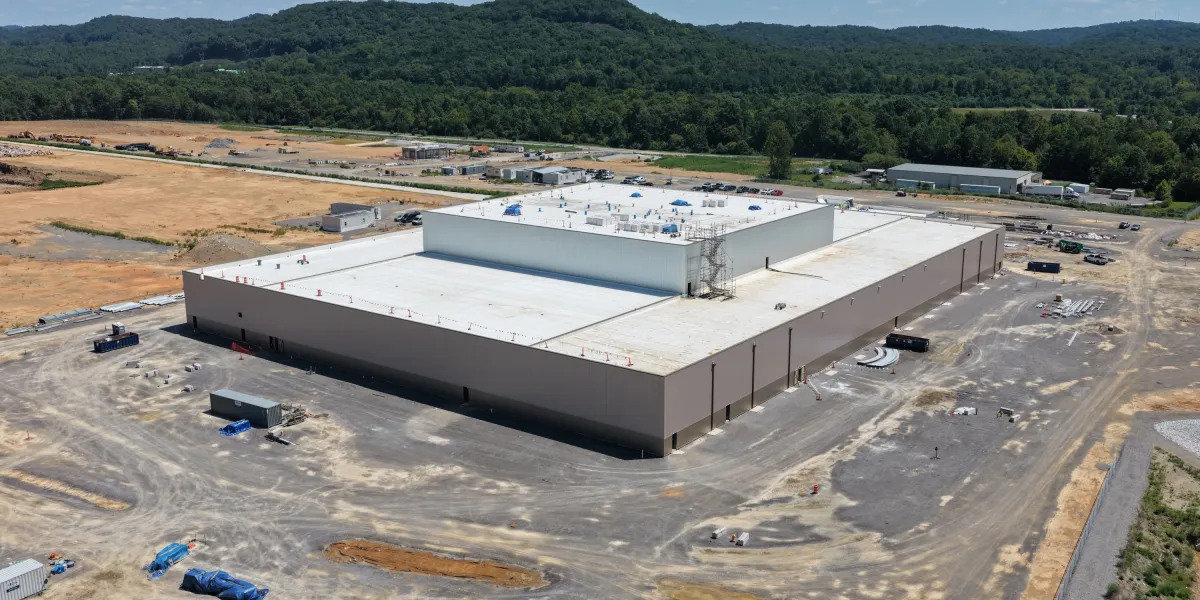
The U.S. Nuclear Regulatory Commission has issued a license to a subsidiary of X-Energy to manufacture TRISO-X Pebble fuel. The first fuel plant is expected to be completed in 2028.
The Xe-100 is also intended to provide heat and power to a large chemical facility in Texas operated by Dow. The project has cleared its first regulatory hurdle and could be operational by the early 2030s.
In parallel, X-Energy is working toward construction of a 320 MW cluster consisting of four Xe-100 reactors in Richland, Washington. The company is also pursuing an even larger 6 GW fleet in the northeast of the United Kingdom with Amazon. Both projects aim to generate electricity during the 2030s.
Source: www.technologyreview.com