


Nobel Prize Gender Imbalance Persists in Science Despite Calls for Greater Diversity
All 2026 Nobel science laureates are men, highlighting the slow pace of change in awards that are intended to reflect the global research community.
The Nobel Prizes should reflect the diversity of today’s scientific community, but change will take time.
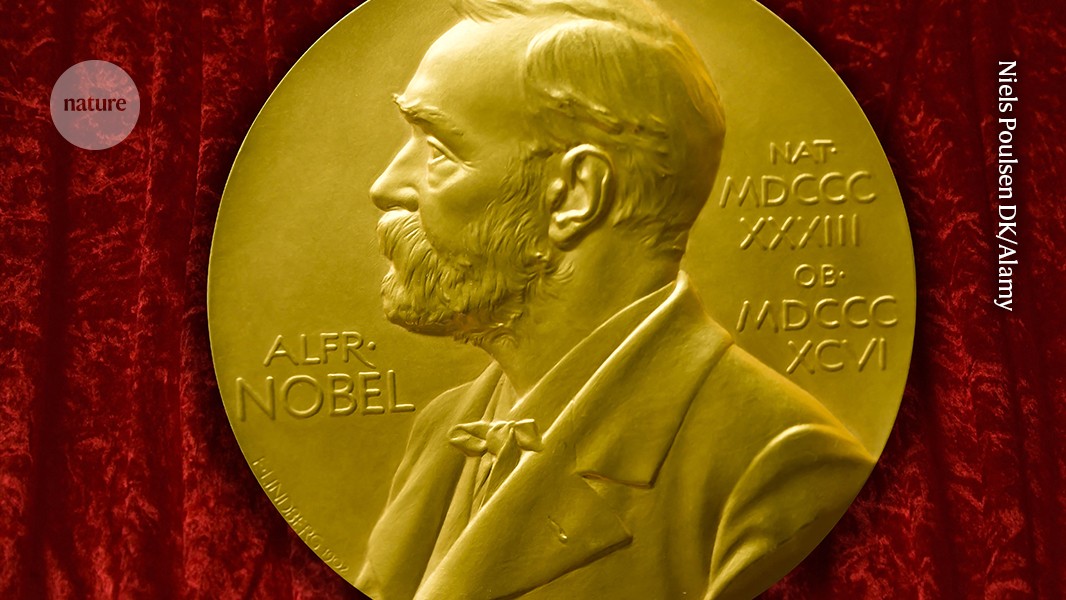
Credit: Niels Poulsen DK/Alamy
The 2026 Nobel Peace Prize was awarded to South African lawyer and legal pioneer Navanesem “Navi” Pillay on October 9 for her “extraordinary courage and integrity” in strengthening the international legal system. The previous day, the Nobel Prize in Literature went to Canadian author Anne Carson, who was recognized for creating “a new form of modern literature.”
There have been 119 Nobel Prize winners in Literature, including 19 women, according to the Nobel Prize homepage.
All 2026 Nobel science laureates are men
Women were not prominently mentioned on the Nobel Prize homepage when the 2026 awards in Chemistry, Economics, Physics, Physiology or Medicine were announced. All of this year’s winners in those categories are men.
The closest woman to win a science prize this year was Ellen Moons, Secretary-General of the Royal Swedish Academy of Sciences, who announced the Nobel Prizes in Physics and Chemistry. One attendee at the physics presentation described the details as “historic.”
The absence of female science laureates in 2026 reflects the uneven pattern of recent years. Members of the Nobel committees are concerned about the imbalance and are determined to see change, according to a committee representative.
Between 2019 and 2026, women received seven Science Nobel Prizes, but four of those years had no female winners. In the previous two eight-year periods, from 2011 to 2018 and from 2003 to 2010, there were five years in which only men won. The 2011–2018 period included four female laureates, compared with five in the previous period.

Source: Nobel Foundation
Why Nobel Prize diversity is changing slowly
In 2018, the Royal Swedish Academy of Sciences, which awards the Nobel Prizes in Chemistry and Physics, wrote to prize nominees to encourage them to recommend a more diverse range of candidates.
The academy asked nominators to consider diversity in gender, geography and subject matter. The rules were also changed to allow people to nominate multiple discoveries.
However, the nomination process itself may be a barrier to faster change. Under the regulations of the awarding organizations, only a relatively small number of people can directly recommend candidates. These include previous Nobel Prize winners, professors in relevant subjects at universities in Sweden, Denmark, Finland, Iceland and Norway, academy members and members of the relevant Nobel committees.
The Royal Swedish Academy of Sciences awards the Chemistry and Physics Prizes. The Nobel Assembly at Karolinska Institutet awards the Nobel Prize in Physiology or Medicine.
More diverse nominations could improve representation
Other senior scientists may be nominated indirectly, but only if their institution first receives a formal invitation from one of the awarding bodies. Since efforts to increase diversity in nominations began in 2018, letters have been sent to more universities around the world.
Currently, around 40% of this group of candidates are women, which could support greater representation among future laureates.
There are other ways to encourage change. In an editorial two years ago, Nature called on Nobel Prize-awarding organizations to seek support from a network of globally recognized universities and scientific organizations (Nature 634, 266; 2024).
Such partnerships could allow more nomination letters to be sent to universities around the world. The organizations said at the time that they were willing to work with Nobel Prize-awarding bodies to increase the diversity of nominees.
There is also much to learn from newer awards, particularly those created to recognize the work of women scientists and researchers from other underrepresented communities.
The future of the Nobel Prizes
Increasing diversity is not the only reason Nobel Prize-awarding organizations may benefit from broader support. The prizes are among the most prestigious awards in the world, but their awarding bodies face increasing pressure and attempts at interference from governments.
As calls grow for awards recognizing the contributions of machines to scientific discoveries, the Nobel Prizes also face questions about how they should evolve. Before that happens, the awards need to better reflect the diversity of today’s research community.
That matters not only for the individuals who deserve recognition, but also for the integrity of science as a whole.
Source: www.nature.com