


How Electric Car Performance Affects the Human Driver
The human desire to go fast is ancient, dating back at least to the first adventurers. According to research on the Yamnaya, someone on the Pontic-Caspian steppe may have seen a horse and thought, “If I jumped on that horse’s back, it would be faster than walking.”
A thousand years later, someone invented the wheel and the chariot, and humanity was ready to accelerate. Now, roughly 5,000 years after the first horseback riding, horseback riding is primarily a leisure activity. Most people travel in vehicles propelled by motors more powerful than entire herds of animals combined.
Measuring electric car performance beyond speed
Acceleration, top speed, and lap times are the usual ways to quantify vehicle performance. High-performance electric cars are currently competing to see which can reach 100 mph the fastest. Measuring a car’s performance is relatively straightforward: all you need is a stopwatch and a track.
But what if performance is measured by its effect on the driver? That is the question Polestar is working with researchers at the University of Oxford to answer.
“As we redefine how electric vehicles can perform, we wanted to understand what specs alone can’t capture: the human experience behind the wheel,” said Christian Samson, head of product attributes at Polestar. “Working with the University of Oxford allows us to look at performance from a different perspective, combining the engineering of the car with the experience of the person driving it.”
Polestar 4 driver-performance study
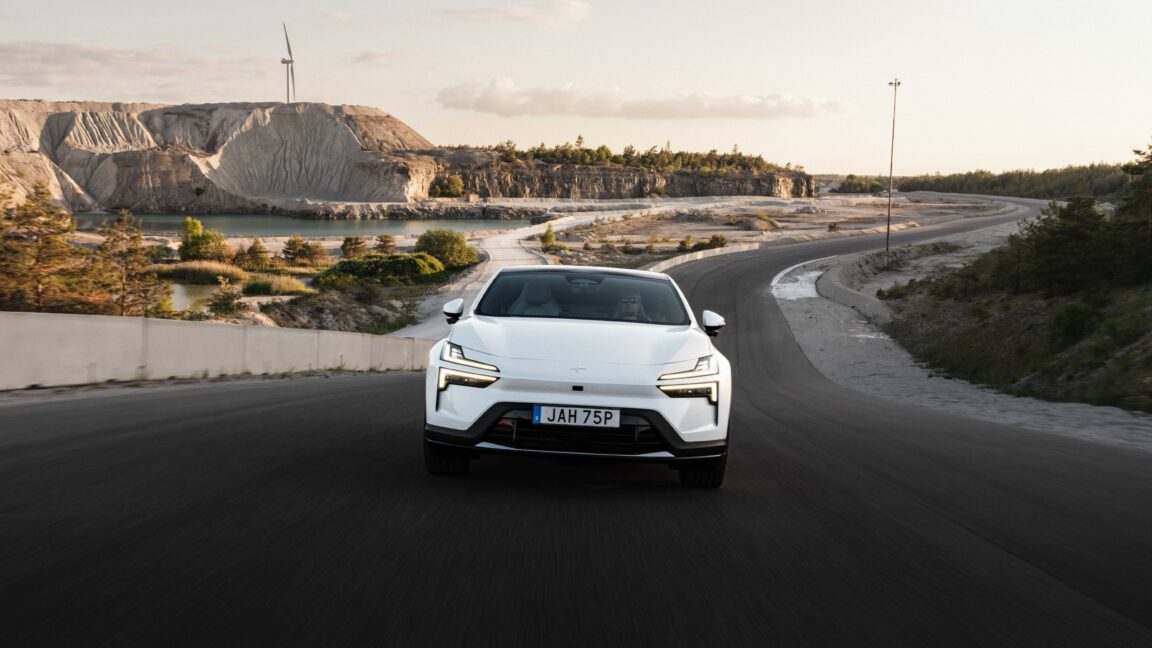
The pilot study involved 12 drivers who track-tested both rear-wheel-drive and all-wheel-drive versions of the Polestar 4 at a circuit in Sweden. The Polestar 4 is an OEM midsize crossover and an attractive alternative to the Porsche Macan, but it is no longer available in the United States.
Researchers fitted each driver with a heart-rate monitor and an electrode-studded skull device. The car’s eye-tracking driver-monitoring system collected additional physiological data, which was combined with vehicle telemetry and subjective assessments gathered through interviews after the test sessions.
During the measurements, the drivers navigated the Gotland Ring circuit in both calm and dynamic driving conditions. The study was designed to examine how different levels of electric vehicle performance affect the person behind the wheel—not just the numbers recorded by the car.
Source: arstechnica.com