


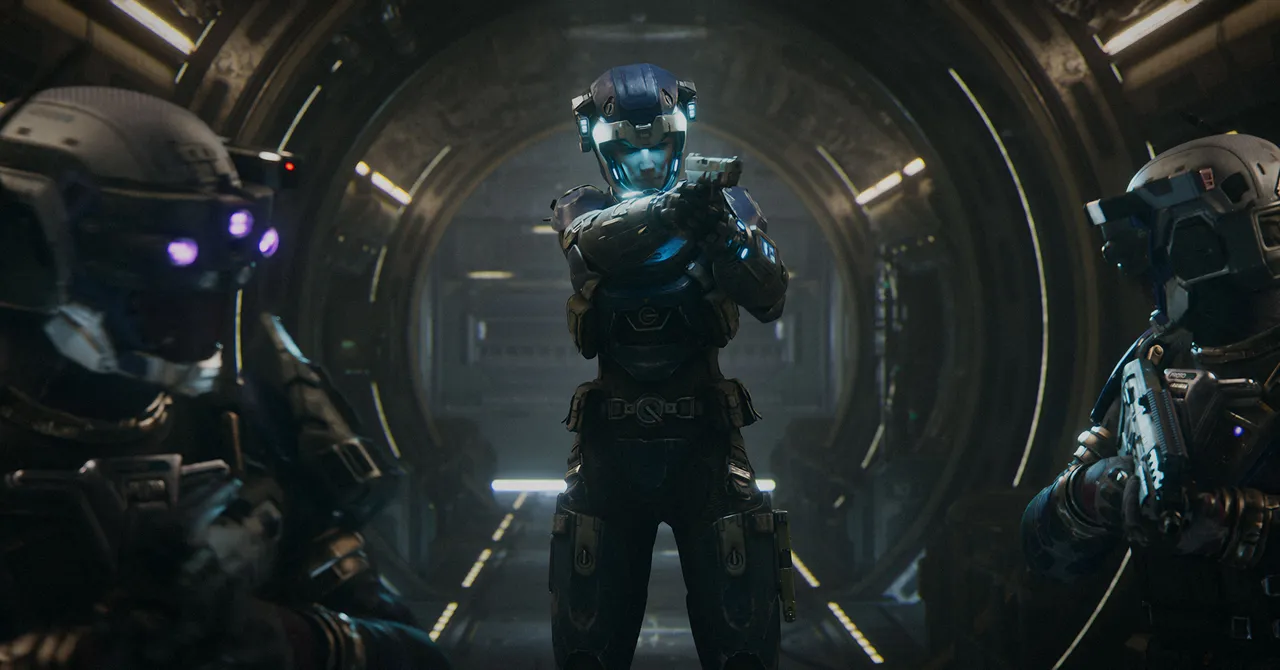
The central theme of The Expanse is that people can never fully know the consequences of their decisions. Across the nine-book science fiction series and its television adaptation, the universe remains an indifferent black box that, as Naomi Nagata puts it, “will never tell us whether we did the right thing or the wrong thing.” That idea is also at the heart of the upcoming video game adaptation.
The developers of The Expanse: Resurrection of Osiris have embraced that philosophy as part of the game’s identity. The title is scheduled to launch in spring 2027 and is being developed by Cyprus-based Owlcat Games, the studio behind complex role-playing games such as Pathfinder: Kingmaker and Warhammer 40,000: Rogue Trader.
The Expanse: Resurrection of Osiris is a third-person shooter and role-playing game in which players become the captain of a spaceship and lead a crew of outcasts through a distant-future solar system. The experience combines hard science fiction, zero-gravity exploration, spaceship combat, and battles against hostile forces. Dialogue options and branching decisions during major story scenes allow players to influence the narrative and determine how events unfold, inviting comparisons to the Mass Effect video game series.
The game marks Owlcat Games’ first third-person shooter and represents a major departure from the top-down role-playing games that established the studio’s reputation. Owlcat expanded its development team to build Resurrection of Osiris, but the project has also faced criticism following its beta test. Early players praised the combat and visual presentation, while some criticized the story and voice acting. The game also incorporates Belter Creole, the distinctive language used by Belter characters in The Expanse. Owlcat has said the beta feedback will help guide improvements, including the recasting of the protagonist’s voice actor.
The Expanse is a challenging universe to adapt, particularly because its political conflicts and character relationships are so interconnected. Resurrection of Osiris takes place around the same period as the first two books in the nine-book series. Owlcat has shared details about how it plans to make player decisions meaningful, with in-story choices that can alter both the game world and the broader narrative.
Players can customize their character’s appearance and choose a personal backstory, but the game does not use traditional skill classes. Instead, the protagonist develops according to the decisions players make throughout the campaign. Players will also determine how they treat their spaceship’s crew and can mentor individual crew members, helping them improve in different areas.
Three major factions compete for influence: Earth, Mars, and the asteroid-belt communities known as the Belters. These groups can cooperate, form alliances, and even build friendships, but maintaining positive relationships with everyone will be difficult. Owlcat Games has warned that players may not get unlimited opportunities to stay in every faction’s good graces.
The decision-driven structure may remind players of games such as Mass Effect. However, it remains to be seen whether Resurrection of Osiris will deliver choices as transformative as those found in Baldur’s Gate 3. Owlcat was not available for a direct interview, but game design director Leonid Rastorguev answered questions by email.
“This is not the first game where a huge number of choices and outcomes are central to the experience,” Rastorguev wrote.
For Resurrection of Osiris, Owlcat is using an internally developed system called Etudes. The system relies on story flags and triggers to track player decisions, including seemingly minor actions, and use them to shape the campaign. According to Rastorguev, the consequences can range from cosmetic changes and newly available content to locked quests, character deaths, and entirely different endings.
Source: www.wired.com