


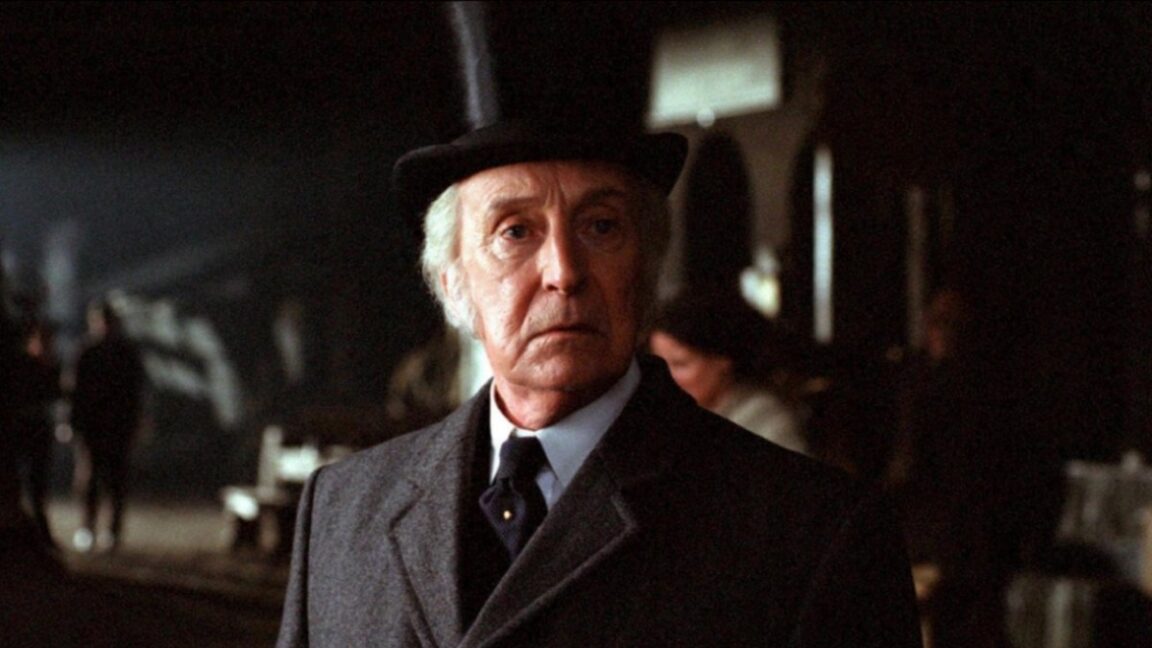
Sir Arthur Conan Doyle’s Sherlock Holmes was inspired in part by Joseph Bell, a celebrated surgeon at the University of Edinburgh who taught Doyle when he was a young medical student. Bell’s remarkable ability to infer a patient’s occupation, habits, and ailments from small visual clues is explored in Sleuth Hound: The real Sherlock Holmes case, a new biography by medical historian and science communicator Lindsay Fitzharris.
The surgeon behind Sherlock Holmes
Bell was known for diagnostic methods that resembled detective work. He could draw conclusions about people simply by observing them. On one occasion, for example, he identified the route a patient had taken to the doctor’s office by examining the type of clay stuck to the patient’s boot. Doyle later used an event like this in his writing.
Bell also worked with local police surgeons to investigate some of the most notorious murders of his time, further strengthening his reputation as a medical detective.
Fitzharris’s biography places Bell in the world of Victorian Edinburgh, where the careers of Bell and Doyle developed alongside major changes in medicine, surgery, and forensic investigation.
Lindsay Fitzharris’s history of medicine
Fitzharris previously wrote about Scottish surgical pioneer Joseph Lister in The Butchering Art, published in 2017. The book examined the often gruesome history of surgery and the discovery of ether by a body snatcher and a surgeon.
In 2022, she published Face Maker: A visionary surgeon’s battle to heal wounded soldiers in World War I, about Harold Gillies, a World War I surgeon who reconstructed the faces of wounded soldiers.
Fitzharris also hosted the 2020 Smithsonian Channel documentary Strange life and death…, which explored the deaths of famous people, including drug lord Pablo Escobar and magician Harry Houdini. The program featured virtual autopsies, experiments on blood samples, interviews with witnesses, and real-time demonstrations.
Last year, Fitzharris and her husband, caricaturist Adrian Teale, collaborated on a children’s picture book about how flukes and failures led to medical breakthroughs, available through Amazon.
Why write about Joseph Bell?
Ars Technica spoke with Fitzharris about Bell’s influence on Sherlock Holmes and the medical history behind her new book.
Ars Technica: Why did you decide to write an entire book about Joseph Bell?
Lindsay Fitzharris: “I knew about Bell because I’m a medical historian, and I knew he was the inspiration for this character, but no one had written a big commercial book about him. There was a book created in 1982 by a man named Eli Lebow. So people in the Sherlockian world know a little bit about Bell through it, but I wanted to bring a medical history perspective to it.”
Source: arstechnica.com