


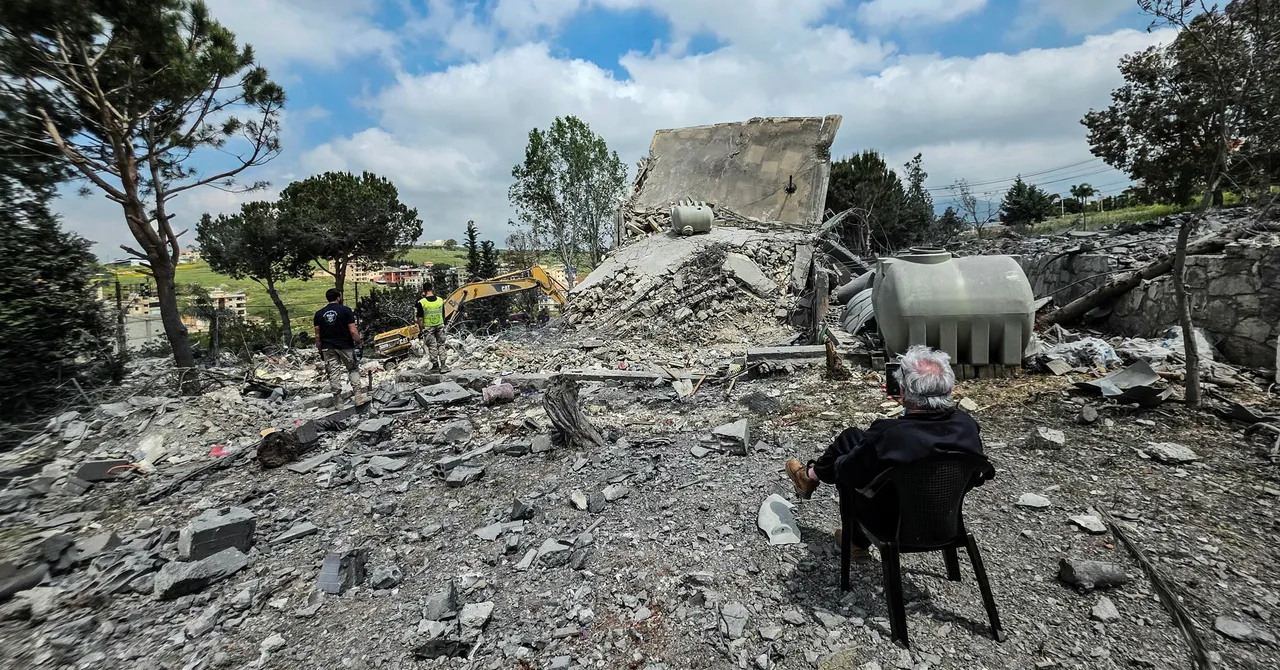
Damage to water infrastructure in southern Lebanon has left communities dependent on temporary repairs and water deliveries, while the risk of further attacks continues to shape what aid organizations can restore. Médecins Sans Frontières (MSF) documented damage to wells, pumps, generators, filtration equipment and pipelines, while UNIFIL reported that blocked and damaged access routes complicated efforts to bring heavy equipment to repair sites.
Temporary repairs keep water systems operating
In Etaa, the main water tank was considered beyond repair, so Médecins Sans Frontières installed a less-than-ideal plastic replacement. In Frown, the organization used a different solution: repairing the filtration unit and connecting it directly to the water source, bypassing the damaged tank.
These interventions were among the repairs required after damage to water infrastructure across southern Lebanon. In its September 2026 statement, MSF said it had documented damage to wells, pumps, generators, filtration equipment and pipelines.
Damaged access routes delay well repairs
Repairing water systems can require heavy equipment, and construction vehicles may be needed simply to reach a broken pump. In its 2026 account of repair work, UNIFIL described surveying a 280-meter access route for maintenance cranes.
Much of the route was damaged and blocked by Inubashiri, a mound of compacted earth that was sometimes used as a barrier during military conflicts. Peacekeepers had to remove the earth before equipment could be brought in to repair the wells.
Families rely on costly water deliveries
Some residents, including the 90 families who have returned to Zawtar al-Gharbiyeh, rely on water delivered by truck. The village once had 500 families. Trucked water is expensive, limited and not a long-term solution.
“This is not a system,” Silvin said. “That’s a drop.”
Fear of renewed attacks influences reconstruction
The possibility of another attack also affects which repairs are undertaken. “Anyone who invests in infrastructure repair will do so with the fear that their intervention will cause damage again in the short term,” Silvin added.
For Silvin’s team, this means residents often choose temporary fixes instead of the permanent infrastructure they need. An October United Nations report said local governments were struggling to pay staff and maintain fuel pumps and vehicles. Some local water boards and civil servants also told the organization that they had been threatened by Israeli forces when they tried to reach damaged sites near the Yellow Line.
Source: www.wired.com