


An estimated 67 percent of white male Zoomers were expected to vote for Donald Trump in the 2024 election, highlighting the political influence of online communities often associated with the manosphere. A discussion of the manosphere’s power to communicate youth grievances explores how figures such as Andrew Tate appeal to young men by exploiting feelings of insecurity, isolation and vulnerability.
“They’ve never had brotherhood or friendship. They’ve never had another man look them in the eye and tell them they’re worthy,” Cole told me. He said personalities such as Tate succeed because they “weaponize this insecurity and vulnerability,” offer a scapegoat and promise that buying a course, learning how to dropship or joining an “alpha-only, elite male circle” will help followers become “a high-value guy.”
Reaching young men with a different model of masculinity
Of the three leaders of Hey Brother House, Cole is the only one who belongs to the demographic the creators are trying to reach. He is 6 feet 4 inches tall and has the build of a varsity swimmer, along with translucent green eyes, gray-painted nails and light brown hair. After leaving home, he dyed his hair green and magenta for a period of time.
Cole describes his work with young men as something resembling a mission from God.
“I’m a white male who was a rugby player in college, and I do jiu-jitsu, but I also wear earrings and talk about feminism online,” he told me. “Some of them think I’m a performer, but in my experience, when I work directly with men and boys, they love me. They’ve never experienced a nearly comparable man who holds them accountable and who gives them hugs, encouragement and support.”
In the world of looksmaxxing, Cole says, these young men see him as someone they can look up to, “literally and figuratively.”
Using the language of online masculinity for progressive content
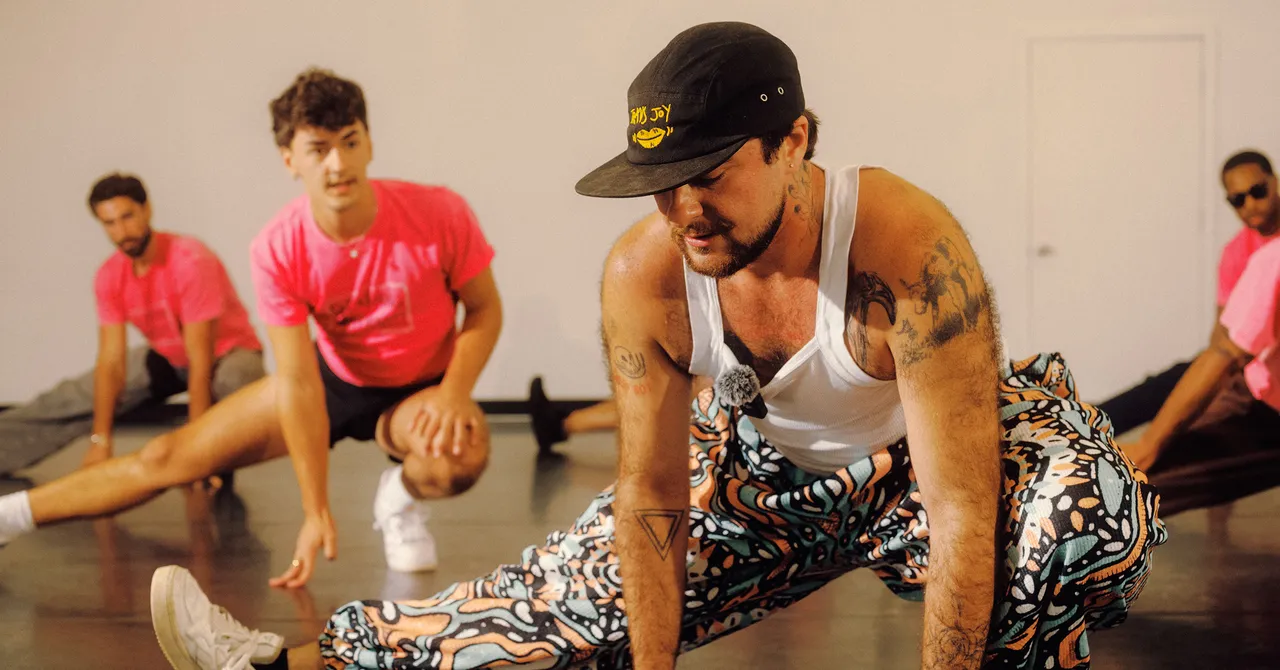
Hey Brother House is built around that approach. The organization teaches progressive male creators how to make content that can attract the attention of kick-streaming, gin-smoking and “ass-cutting” sports teams. Its aim is to take visual features associated with the manosphere—including slick editing, dynamic hooks and fast-paced montages—and apply them to content centered on what the company calls “healthy masculinity.”
That vision includes men thrifting together to choose outfits and men wearing pink while playing golf. The goal, Cole says, is not to deliver conventional lectures about gender politics.
“What we don’t want to do is stand in front of a camera and wag our finger and say, ‘I think the patriarchy is the worst thing in the world,’” he says.
Source: www.wired.com