


Close Menu
HitechubHitechub
    What's Hot
    Science

    World’s Smallest Crocodile Hunts Bats in an Underground Lair—Rare Behavior Captured

    Technology

    What Is Google Ad Malware and How Can It Infect a Mac?

    Science

    345-Million-Year-Old Fossil Fooled Scientists for Decades

    Important Pages:
    • About Us
    • Privacy Policy
    • Terms & Conditions
    Facebook X (Twitter) Instagram Pinterest
    Facebook X (Twitter) Instagram
    HitechubHitechub
    Monday, November 30
    • Shop
      • Fashion
        • Mens
        • Womens
        • Accessories
          • Handbags
          • Keychain
          • Masks
          • Money clicps
          • Neck Pillow
          • Rings
          • Towels
          • Wallets
        • Jewelry
        • Watches
        • T-shirts
        • Hawaiian shirts
        • Vests
        • Swim trunks
        • Swimsuits
      • Fun
        • Magic cubes
        • Magnifiers
        • Misc
        • Photo books
        • Puzzles
        • Toys
      • Home
        • Cleaning/Care
        • Mailbox covers
        • Mugs
        • Pot Holders
        • Spoon
      • Office and Electronics
        • Chairs
        • Office Supplies
        • IPad cases
        • Laptop stickers
        • Mouse pads
        • Notebooks
        • Pencil bags
        • Pens
        • Phone cases
      • Personalized
      • Pets
      • Sports
        • Cycling
          • Balaclava Mask
          • Bike Bell
          • Bike Computer
          • Bike Fender
          • Bike Grips
          • Bike Kickstand
          • Bike Light
          • Bike Locks
          • Bike Mitts
          • Bike Pumps
          • Bike Repair Stand
          • Bike Seat
          • Bike Trainer
          • Bike Wheels
          • BIKES
            • Folding Bikes
            • Road Bikes
          • Carbon Fiber Bike Products
          • Cycling Mask
          • Kid’ Bike Helmets
          • Inner Tube
          • Motorcycle Bag
          • Nylon Pedals
          • Adult Helmets
          • Photochromic Sunglasses
          • Soft Coolers
          • Suction Cup Bike Rack
          • Tool accessories
          • Winter Cloth
          • Heart Rate Monitor
        • Outdoors/Camping
          • Outdoor Bags
        • Sweatband
    • Technology
      1. AI
      2. Gadgets
      3. View All

      This is the most popular CEO in the world

      Sectors in which “Chat-GPT” is most often used

      Artificial intelligence has begun to “swallow” professions

      The unusual robot conductor of a concert in Seoul

      Here’s how you can tell if your phone is being tapped

      PlayStation 5 becomes a completely silent console and gets more space

      This is the first phone that can be used to park a car

      Best Gaming Laptops 2023: Powerful Portables for PC Games

      VisionQuest Review: A Satisfying Conclusion to the WandaVision Trilogy

      New Balance Japan Data Breach Exposes 3.7 Million Customer Records

      Webz.io Launches Self-Service Dark Web API with Free Monthly Credits

      University Board Confirms Data Breach After Unauthorized Password Change

    • Science
      1. Space
      2. Wheels
      3. View All

      Space Perspective: A Journey to the Edge of Space

      5 Fascinating Facts About Space

      Space Exploration: Unveiling the Wonders of the Universe

      Toyota wants to make a new generation battery with a range of up to 1,200 km

      Meet Toyota’s lunar “baby” that could make exploring the Moon easier

      What does a night drive look like with one of the most beautiful cars in the world: the Rolls-Royce Ghost

      What Archaeological Treasure Would You Discover?

      5 Key Lessons from the Failed COP31 Climate Change Negotiations

      Top Major Cities Worldwide for High-Quality Research in 2025

      Scotland Heavy Rain: Flood Risks and Travel Warnings Issued

    HitechubHitechub
    Home » Blackbirds Can Recognize Venomous Snakes Without Ever Encountering Them
    Science

    Blackbirds Can Recognize Venomous Snakes Without Ever Encountering Them

    Share Facebook Twitter Pinterest WhatsApp
    Share
    Facebook Twitter LinkedIn Pinterest WhatsApp

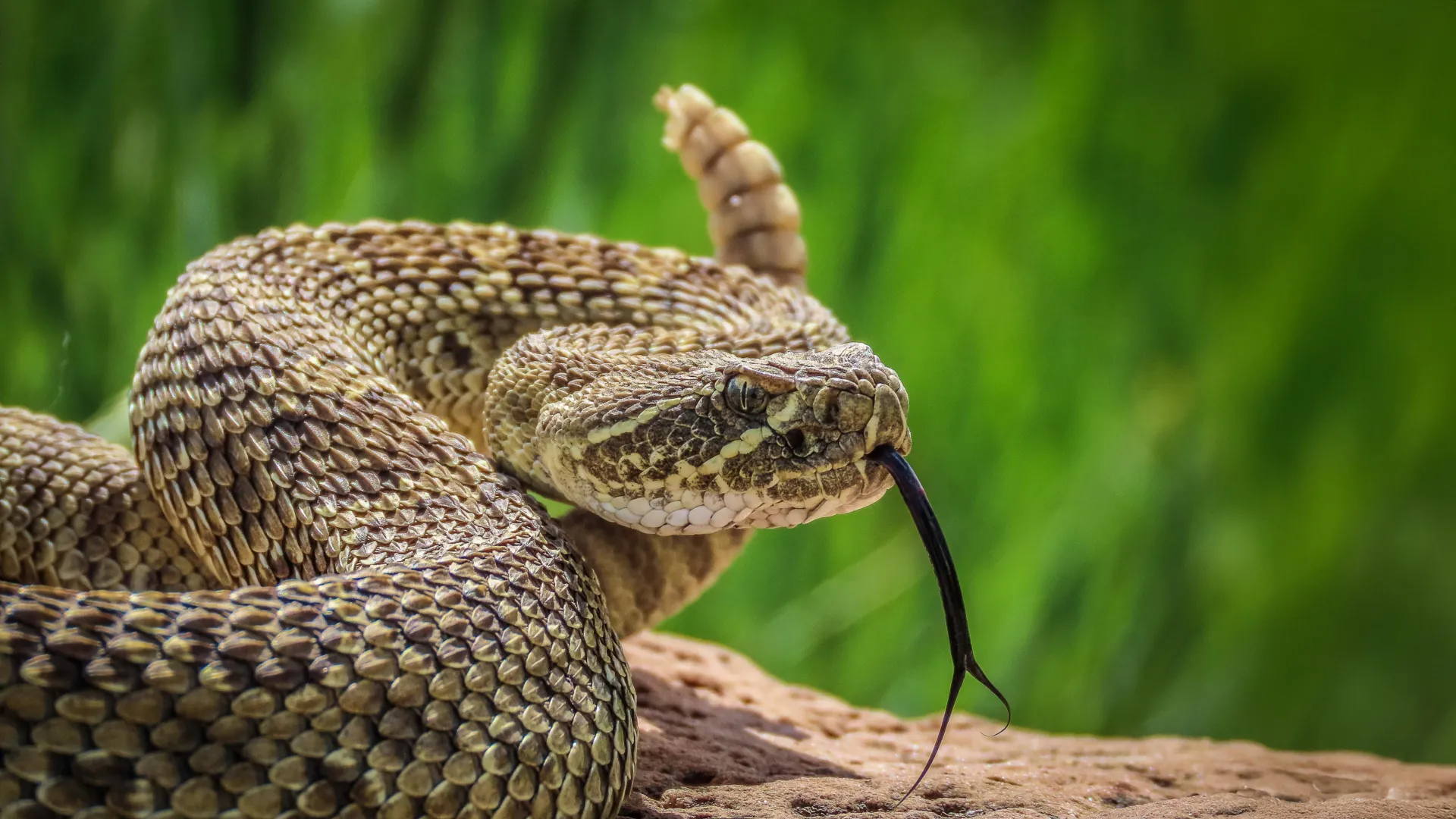
    Red-breasted blackbirds are highly aggressive when defending their nests, but a new study suggests they may recognize when attacking a predator is too risky. The birds made more than 80 physical strikes against a model of a nonvenomous gopher snake, yet contacted a rattlesnake model only once, even though the blackbirds were unlikely to have encountered rattlesnakes before.

    Testing birds’ responses to potential nest predators

    The study, led by Shelby Lawson of Oregon State University (OSU), examined how blackbirds responded to several potential nest predators in western Oregon. These included shrub jays, ground squirrels and nonvenomous gopher snakes.

    To observe how the birds defended their offspring, the researchers placed realistic, stationary animal models on a platform several meters from blackbird nests. The experiment also included rattlesnakes, cowbirds—which are brood parasites that lay eggs in other birds’ nests—and song sparrows as control species. Song sparrows do not prey on blackbird nests.

    A striking difference between two snakes

    Rattlesnakes are native to western Oregon, but they were nearly extirpated from areas west of the Cascade Mountains during the 1800s. As a result, the blackbirds living in the region today are unlikely to have had previous encounters with these venomous reptiles.

    Even so, the birds responded very differently to the two snake models. In experiments involving dozens of nests, about half containing eggs and half containing young chicks, the blackbirds delivered more than 80 physical blows to the gopher snake model. They hit the rattlesnake model only once.

    “We don’t know if it’s because they perceived danger, or if there’s something about the pit viper’s characteristics or the rattle that caused the birds to stop,” said Lawson, a postdoctoral researcher in David Kikuchi’s integrative biology lab in the OSU College of Science.

    Balancing parental protection and survival

    The findings offer new insight into parental investment theory, which examines how animals balance the time, energy and personal risks involved in protecting their offspring with the need to survive themselves.

    Previous research has extensively examined nest defense in blackbirds, Lawson explained. The birds can adjust their defensive strategies according to the threat a predator poses to their offspring and the danger that confronting it presents to the adults.

    “For example, they may physically hit a jay or squirrel that eats eggs near their nest, but if they are at risk of being eaten by something like a hawk, they may choose to keep their distance and raise the alarm instead,” she said.

    In the new experiment, blackbirds were consistently more aggressive toward potential predators than toward the control species. However, they were generally less wary of snakes, even though reptiles could pose a greater danger to adult blackbirds than the other predators tested.

    Blackbirds and other passerines, commonly known as perching birds, are distinct from raptors, waterfowl, hummingbirds and penguins. Passerines generally behave more cautiously around predators that threaten their own survival. By contrast, animals such as crows and squirrels tend to be more aggressive when a threat is aimed primarily at their offspring, Lawson explained.

    Why did the blackbirds avoid biting rattlesnakes?

    “In our experiments, gopher snakes and rattlesnakes were medium-sized adults, and although they are unlikely to chase healthy adult blackbirds, they could definitely harm them when defending their nests at close range,” Lawson said. “And obviously, rattlesnake venom inherently makes it more dangerous to deal with.”

    Despite the difference in danger, the blackbirds displayed surprisingly similar defensive behaviors toward both snake species. They even swooped at the rattlesnake model. The clearest difference was their reluctance to make physical contact with the venomous snake.

    The developmental stage of the offspring also affected the birds’ willingness to confront predators. The blackbirds physically attacked the snake models only after the eggs had hatched.

    “Neither snake was ever attacked while incubating, but during the nestling stage, the central nesting bird regularly attacked the gopher snake, and neighboring blackbirds also regularly joined in the act,” Lawson said.

    Snakes remain an overlooked threat to nesting birds

    Snakes are important predators of bird eggs and nestlings, but scientists know relatively little about how birds identify snakes and choose the safest way to respond. The researchers hope the findings will encourage greater attention to snakes in studies of animal behavior and parental defense.

    “This is the first paper to test the responses of breeding birds to both non-venomous and venomous snakes within the framework of parental investment theory, and shows that snakes should be included more often in tests of this kind,” Lawson added. “Despite snakes being a major threat to nests, we still don’t fully understand how birds recognize and judge snakes. This study is a good step towards understanding that.”

    Other contributors to the study include Angela Zbaracki, Russell Campbell and Eleanor Fraser of Oregon State University.

    Source: www.sciencedaily.com

    Share. Facebook Twitter Pinterest LinkedIn WhatsApp
    Previous ArticleEarth’s Tectonic Activity May Have Begun 2.5 Billion Years Ago
    Next Article Hera Mission Images Reveal Stadium-Sized Asteroid Impact Crater

    Related Posts

    Science

    What Archaeological Treasure Would You Discover?

    Science

    5 Key Lessons from the Failed COP31 Climate Change Negotiations

    Science

    Top Major Cities Worldwide for High-Quality Research in 2025

    Science

    Scotland Heavy Rain: Flood Risks and Travel Warnings Issued

    Science

    Hera Probe Reveals Stadium-Sized Crater on Asteroid Dimorphos Created by NASA’s DART Mission | Space Photo of the Week

    Science

    LSD vs. Psilocybin: How They Leave Different Imprints on the Brain

    Science

    Black Hole Collisions Follow Surprisingly Simple Laws of Nature

    Science

    Mars’ Arctic Ice Is Far Cleaner Than Scientists Thought

    Add A Comment
    Leave A Reply Cancel Reply

    Stay In Touch
    • Facebook
    • Twitter
    • Instagram
    • Pinterest
    Top Picks
    Science

    NASA University Challenge Launches New Opportunities for Drone Entrepreneurs

    Five years ago, Gavin Gardner was an engineering student at Michigan State University researching next-generation…

    New ClickLock macOS Malware: How It Tricks Users into Exposing Login Passwords

    Why This Total Solar Eclipse Looked Strangely Golden

    Scientists Discover a Real-Life “Dragon” Species Named After Syracuse

    InfraTrust Report Warns Network Management Systems Face Rising Cyberattacks

    Most Popular
    Science

    Mysterious Mass Grave in Croatia Suggests Romans Dumped Plague Victims Into a Well

    Technology

    Cisco Releases Zero-Day Patch for Secure Email Gateway Vulnerability Exploited in Attacks

    Categories
    • AI (9)
    • Gadgets (6)
    • Science (3,670)
    • Space (3)
    • Technology (3,067)
    • Wheels (3)
    Our Picks
    Science

    Unconventional Yet Effective Techniques to Overcome Fear of Flying: Insights from Psychologists

    Science

    Forget the Sperm Race: How Sperm Teamwork May Influence Fertilization

    © 2026 Hitechub.
    • Home
    • About Us
    • Privacy Policy
    • Terms & Conditions

    Type above and press Enter to search. Press Esc to cancel.

    GDPR Cookie Banner

    We are using cookies to give you the best experience on our website.

    You can find out more about which cookies we are using or switch them off in .

    Ad Blocker Enabled!
    Ad Blocker Enabled!
    Our website is made possible by displaying online advertisements to our visitors. Please support us by disabling your Ad Blocker.