


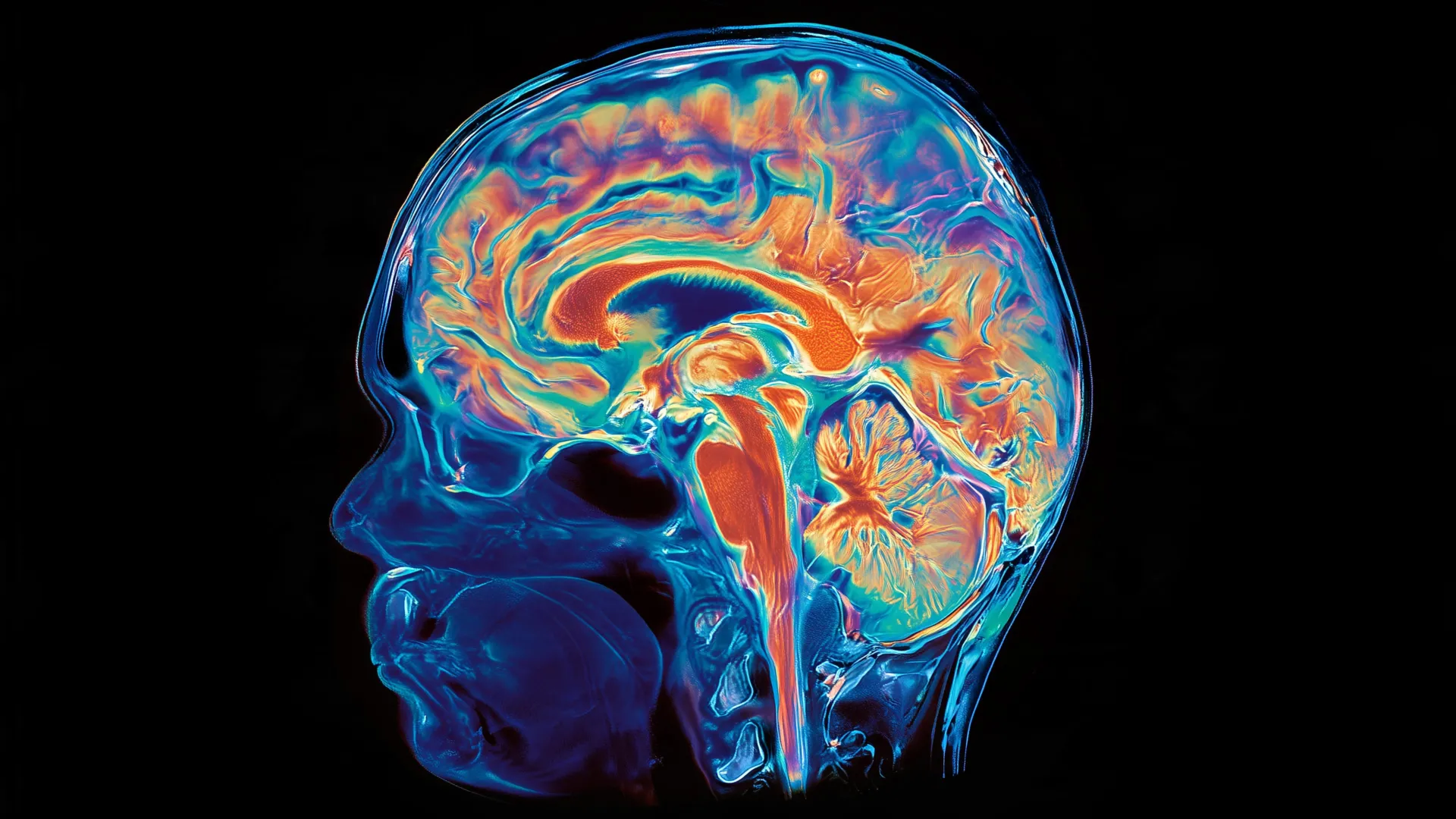
Adults with autism spectrum disorder (ASD) may show far more individual variation in brain activity than group-based research methods reveal, according to a study published in JNeurosci. Led by Dorit Kleeman and James Treer at the University of Iowa, the research examined how adults with and without autism responded in their brains while watching films.
Using films to study brain activity
The researchers analyzed previously collected brain-imaging data from Indiana University and the California Institute of Technology. The participants watched films from several genres, including animation, action, romantic comedies and Hitchcockian thrillers.
The team used the recordings to train a computational model linking brain activity to different elements of the films, including sound, visual information and more complex social cues. Once trained, the model successfully predicted activity across multiple brain systems.
“The computational model allowed us to look for robust brain responses to different aspects of the complex and dynamic situations in the film,” Kleeman said. The approach could help researchers better understand the social difficulties associated with ASD.
Greater diversity in brain activity among autistic participants
When the researchers compared average brain responses between the two groups, they found that the model predicted activity in similar brain systems and performed with comparable success in adults with and without ASD.
However, the results looked different when the researchers examined individual responses within each group. Brain activity among adults with ASD varied substantially, with individual participants showing large deviations from the group average.
The increased variability appeared in nearly every brain system examined. It was especially pronounced in a network of brain regions involved in processing social information.
Rethinking group-based autism research
Many approaches to understanding and treating ASD rely on comparisons between group averages. The researchers said that such methods may overlook important differences between individuals and that autism research may need to place greater emphasis on individual brain responses.
“We were surprised by the similarity of the group means,” Traer said. “This result suggests that we need to focus on understanding the details of individual brain responses. How and why do they differ?”
“Identifying ASD subgroups may help us understand the condition more precisely and develop ways to provide individualized support,” Kliemann added.
The research team plans to investigate further how, where and when differences in brain activity correspond to individual differences in behavior associated with ASD.
The Society for Neuroscience is the world’s largest organization of scientists and physicians dedicated to studying the brain and nervous system. Founded in 1969, the nonprofit organization has approximately 35,000 members in more than 95 countries.
Source: www.sciencedaily.com