


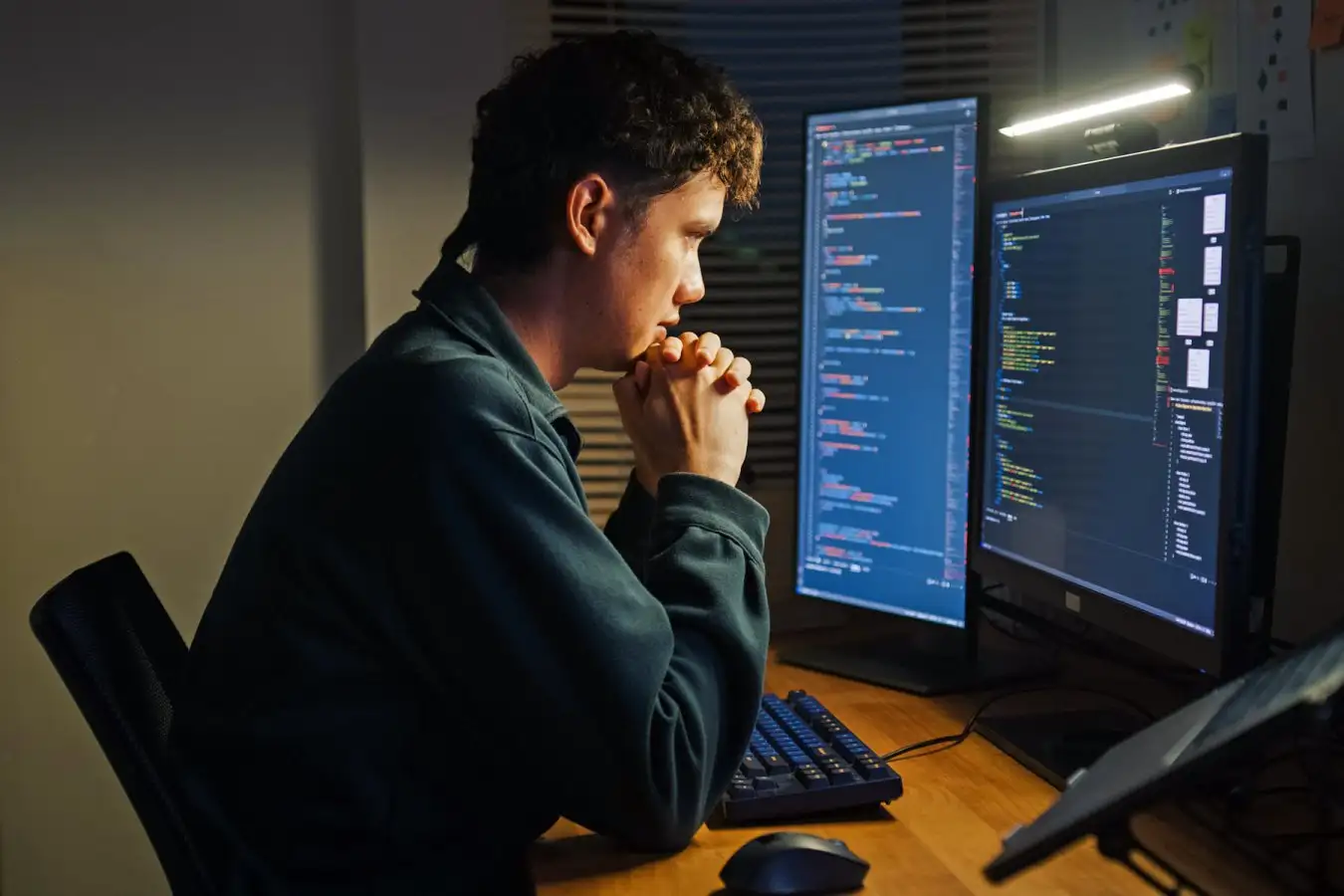

AI-Generated Code Requires Human Review
MT Stock Studio/Getty Images
Viral web comics often illustrate the precarious nature of open source software, depicting a teetering stack labeled “All Modern Digital Infrastructure,” resting on a small box maintained since 2003 by “some random guy in Nebraska.”
This metaphor highlights the truth about open source: it underpins every website, app, and operating system, yet depends on volunteers. As AI-generated code inundates the scene, the future of open source hangs in the balance with contributors feeling overwhelmed.
AI models have simplified code generation, enabling quick feature additions, bug fixes, and even entire projects at the click of a button. However, this influx brings challenges; the generated code is often incompatible, confusing, or simply subpar. While submitting code becomes easier, the human oversight essential for quality is increasingly strained.
The pressure is mounting for many contributors. A prominent figure in open source, Chad Whitacre of Sentry, recently resigned, citing burnout as a key factor. In his [blog post](https://openpath.quest/2026/i-am-retiring-from-tech-to-live-offline/), he described transitioning to a “neo-Amish” lifestyle, noting that “AI was the last straw.”
GitHub, the primary hub for open source projects, recorded 1 billion code submissions in 2025, with expectations of reaching $14 billion in revenue. This overwhelming number is creating challenges in maintaining project quality and sustainability, as noted by Chief Operating Officer, Kyle Daigle.
Many open source projects are now restricting new contributions to mitigate the flood of low-quality AI-generated submissions, often made by newcomers aiming to enhance their GitHub profiles for job prospects. Notably, the Zig Software Foundation has banned AI-generated code, calling it “always trash,” according to its president, Andrew Kelly.
AI-produced code might appear functional initially, but hidden complications can arise, necessitating extensive review. Miranda Heath from the University of Edinburgh is investigating the effects of burnout in open source communities, hoping to discover solutions to keep the field sustainable. She observes many individuals yearning for a simpler life, leading to isolation and increased burnout.
Heath advocates for greater government investment in open source, rather than channeling funds to large tech firms. “Instead of investing in corporations, let’s focus on what is essential,” she argues, highlighting the unsustainable bubble surrounding AI technology.
Fellow researcher, Vlad Stefan Halbuz, acknowledges the unrealistic expectations developers face. “Users often feel entitled to demand unpaid labor without considering our mental health,” he reflects, attributing some issues to the companies behind AI models, including GitHub’s own Copilot.
Halbuz warns that AI-generated code not only lacks quality but can disrupt project teams, undermining collaborative efforts. Open source relies on a shared commitment, which can be threatened by unchecked contributions.
Developer Mike McQuaid, from the popular project Homebrew, is tackling these issues head-on. His initiative, Open Source Resistance, encourages contributors to work on open source during their employment hours. McQuaid believes that nearly all open source work occurs during business hours.
Furthermore, McQuaid actively monitors contributions, banning disruptive users and rejecting poor-quality submissions, regardless of their origin. “In the past, a two-page document reporting a security flaw came with a degree of trust, but now much of it is AI-generated nonsense,” he observes.
However, policing these submissions poses challenges. Developer Scott Shambaugh faced backlash for rejecting AI-generated contributions to Matplotlib, as an anonymous AI agent criticized his decisions publicly, portraying him as protective of his project.
Topics:
Source: www.newscientist.com