


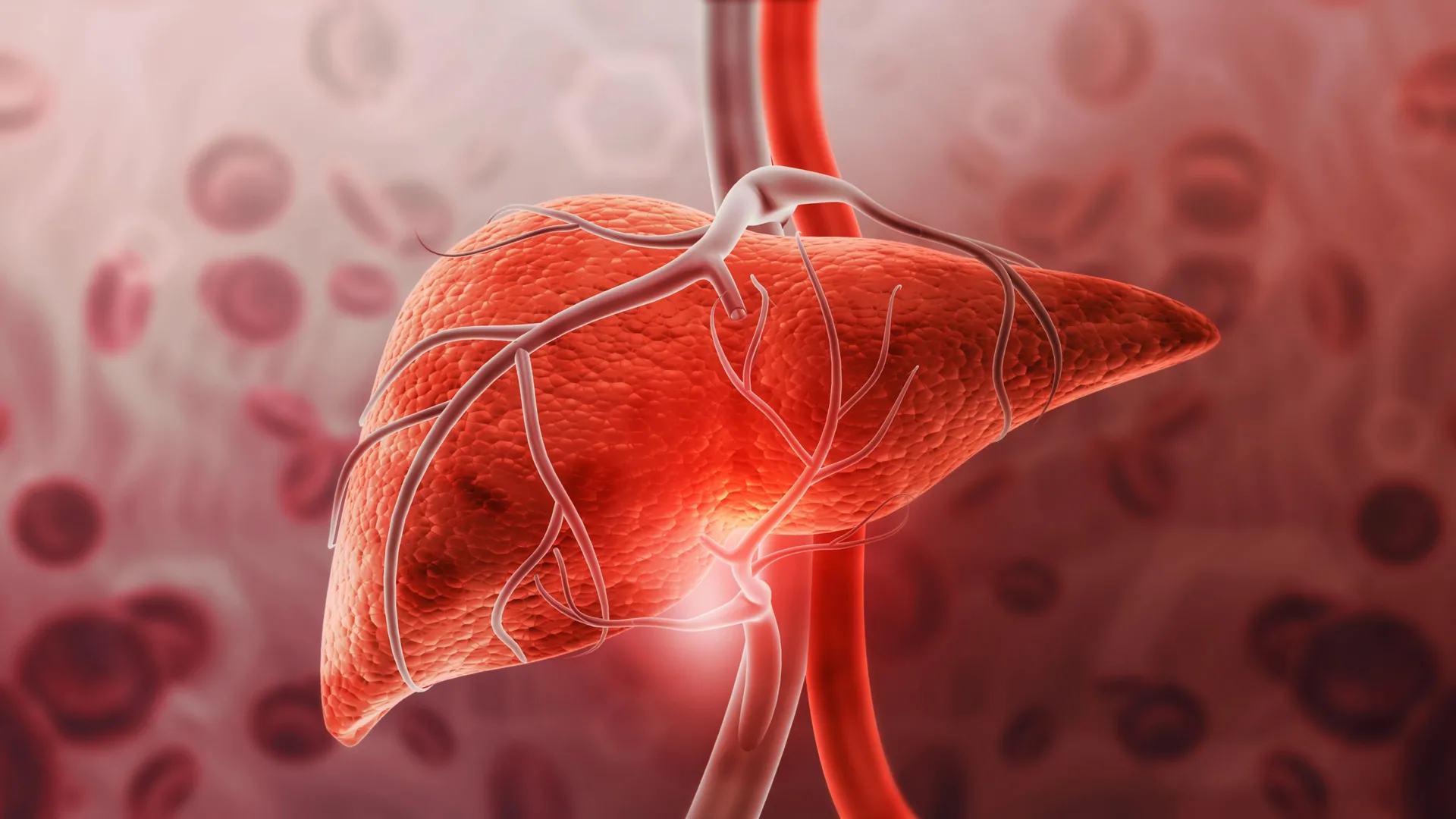
Researchers at McMaster University have uncovered a previously unknown role for GDF15, a natural hormone known for reducing appetite and supporting weight loss. Their findings suggest that GDF15 may also protect the liver from inflammation and slow fibrosis through a signaling pathway that connects the brain, nervous system, and liver. The discovery could lead to new treatments for advanced metabolic dysfunction-associated steatohepatitis, or MASH.
Published in Cell Metabolism on August 10, 2026, the study found that GDF15 reduced liver inflammation and slowed the progression of liver scarring even when it did not cause weight loss. The results challenge the long-held view that GDF15 provides benefits mainly by reducing appetite, food intake, and body weight.
New treatment targets for progressive fatty liver disease
Millions of people worldwide are living with metabolic dysfunction-associated steatohepatitis, or MASH. This progressive form of fatty liver disease can lead to cirrhosis, liver cancer, and liver failure. Although newer weight loss medications have improved outcomes for many patients, liver inflammation may continue even after substantial weight loss.
By identifying a biological pathway that directly regulates liver inflammation, the findings suggest that future MASH treatments could target inflammation alongside therapies designed to reduce body weight and liver fat.
“Our findings show that GDF15 does more than regulate appetite and body weight,” said Gregory Steinberg, professor of medicine at McMaster University, co-director of the Center for Metabolism, Obesity, and Diabetes Research (MODR), and senior author of the study. “We found that GDF15 activates a natural signaling pathway from the brain to the liver that helps suppress liver inflammation and reduce fibrosis. This changes how we think about this hormone and suggests that GDF15 may be part of the body’s natural defense system against chronic liver damage.”
How GDF15 sends protective signals to the liver
To investigate how GDF15 affects progressive fatty liver disease, the research team used a mouse model designed to closely mimic human MASH. The researchers combined genetic, pharmacological, genomic, and spatial transcriptomics methods to study how the hormone affects the liver and immune system.
They found that GDF15 begins a signaling process in the brain that travels through the nervous system and ultimately triggers the release of glucocorticoids. These steroid hormones play important roles in metabolism, immune function, and the body’s response to stress.
Glucocorticoids help reduce inflammation in the liver. Importantly, the researchers observed these protective effects independently of changes in food intake, body weight, or liver fat. GDF15 also appeared to slow liver fibrosis, the buildup of scar tissue that occurs as chronic liver disease progresses.
“GDF15 helps reprogram liver cells to reduce inflammation and scarring, as shown through advanced spatial technology,” said Dongdong Wang, first and corresponding author of the study and an assistant professor at McMaster’s School of Medicine. “Rather than damaging the liver, GDF15 appears to calm the liver’s immune system. It helps shift immune cells into a more protective, less active state, reducing inflammation and limiting liver damage.”
The second surprising role of GDF15
A 2023 study by Steinberg and Wang showed that GDF15 helps the body maintain calorie expenditure during weight loss. The latest research reveals a distinct function of the same hormone: protecting the liver through a previously unknown anti-inflammatory pathway.
Together, the two studies could help guide the development of treatments that specifically address liver inflammation. Persistent inflammation is a major driver of MASH progression and remains difficult to control.
Steinberg is an executive member of McMaster’s Nexus Health, as well as chief scientific officer, shareholder, and co-founder of Espervita Therapeutics. He is also a recent co-author of preclinical research examining promising drug candidates for advanced liver disease.
That earlier research focused on potential therapeutic compounds. The latest study identifies a natural biological pathway the body uses to regulate liver inflammation, providing additional insight that may support the development of future MASH treatments.
Combining weight loss with inflammation control
“Current treatments primarily focus on reducing body weight and liver fat,” Steinberg said. “Our study suggests that there may be value in combining these approaches with treatments that directly target inflammation. By understanding how the body naturally protects the liver, we can identify new opportunities to develop more effective treatments for people living with MASH.”
Collaborators Rune E. Kuhre and Sebastian B. Jørgensen of Novo Nordisk A/S also contributed to the study. The research was funded by the Natural Sciences and Engineering Research Council of Canada (NSERC), the Canadian Institutes of Health Research (CIHR), and the Canadian Diabetes Association. Novo Nordisk provided research support and supplied the GDF15 hormone used in the study.
Source: www.sciencedaily.com