


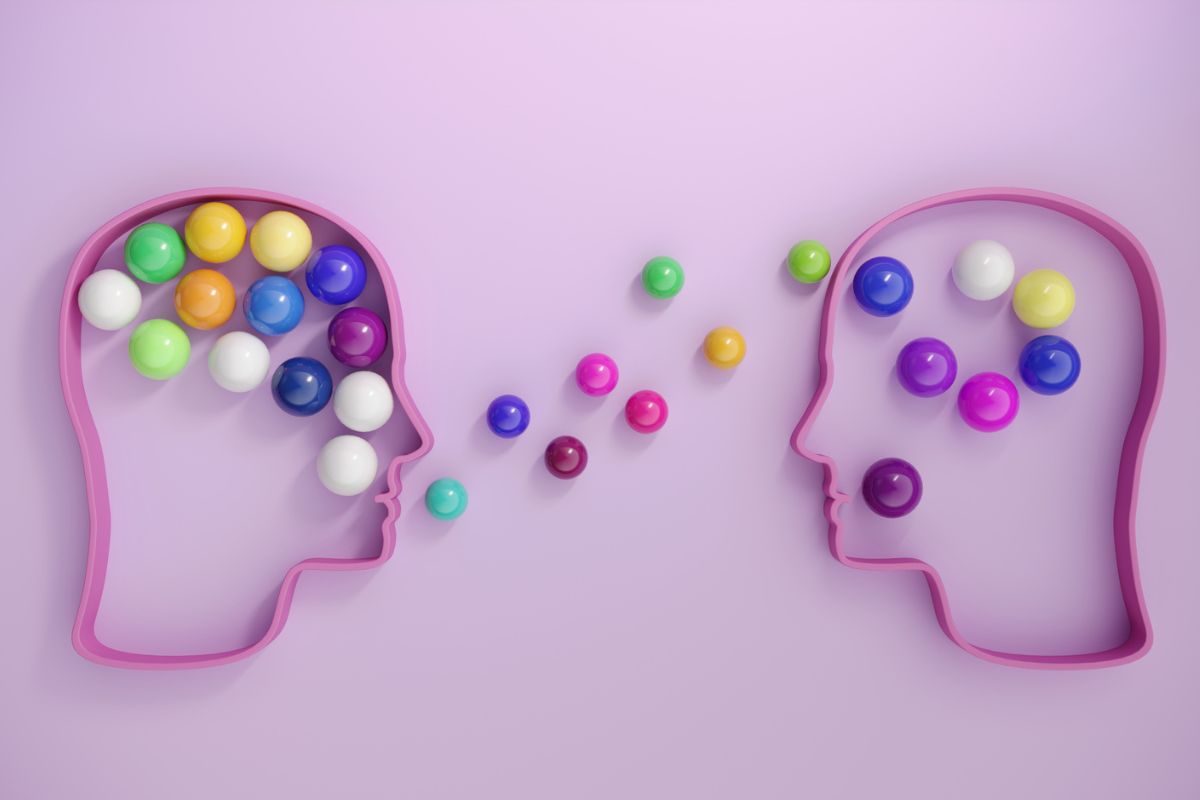
Today’s machine learning technology is revolutionizing the way we visualize our dreams. But what if you want to take it a step further and actually share those dreams with others?
Currently, we can interpret brain signals to get a glimpse into imaginary scenes and higher-level thoughts, but there is no established method to transfer these thoughts between minds. Many of us might find the idea of a computer directly implanting thoughts into our brains while we sleep a bit unsettling.
Right now, the only way to share experiences is through our senses. Speaking into someone’s ear during sleep could serve as a means of transmitting information. But, how does a sleeping person communicate? It’s more complex than it seems.
<
Individuals who talk in their sleep, known as “dreamtellers,” often do so due to stress. These strange murmurs are not consciously controllable, and listening to sounds while sleeping can disrupt rest and increase anxiety.
However, there’s one type of dream that shows promise: lucid dreaming. In this unique dream state, the dreamer is aware of their dreams while remaining asleep. This can be achieved with practice and various techniques.
Could it be possible for two dreamers to communicate in this state?
A company called Rem Space believes this can happen. In fact, they’ve successfully demonstrated it.
They utilized external stimuli to help one person enter a lucid dreaming state, delivering words through earphones. The lucid dreamer then verbalized these words while asleep, and the recordings were saved to a computer.
Eight minutes later, the message was replayed to a second lucid dreamer, who could visualize the words upon waking. While this may not offer immediate practical application, it marks a significant moment in dream communication.
Moreover, there’s another intriguing thought to consider.
Researchers have shown that individuals who work closely together often synchronize their brain waves. This phenomenon resembles the connection musicians experience when playing together or the strong bonds within social groups.
Neural synchronization between brains has been observed through detailed “hyperscans” using electroencephalograms (EEG), which monitor brain waves. These waves can be categorized as theta (indicating deep relaxation), alpha (signifying calm), or beta (indicating alertness).
When these brain waves synchronize between individuals, often driven by beta waves, they become more cooperative, empathetic, and even more resilient to pain. Teams that achieve this neurological sync tend to perform better overall.
Best of all, you don’t need advanced technology or AI to enhance this connection.
Simply sharing experiences—whether through listening to music, dancing, playing instruments, solving challenges, or engaging in conversation—can foster this neural synchronization. This form of shared connection is completely natural and greatly enriching.
This article answers the question posed via email by Idris Wise: “Is communication possible in dreams?”
If you have any questions, feel free to reach out to us at: [email protected] or connect with us on Facebook, Twitter, or Instagram (please include your name and location).
Discover more amazing science insights in our ultimate fun facts section.
Read More:
Source: www.sciencefocus.com