


Close Menu
HitechubHitechub
    What's Hot
    Science

    Step-by-Step Guide to Artemis II Earth Reentry: Process and Insights

    Science

    Revealed: New Insights into How the Pyramids Were Constructed

    Science

    Did Neolithic People Transport Stonehenge’s Massive Altar Stones Across Britain?

    Important Pages:
    • About Us
    • Privacy Policy
    • Terms & Conditions
    Facebook X (Twitter) Instagram Pinterest
    Facebook X (Twitter) Instagram
    HitechubHitechub
    Tuesday, June 23
    • Technology
      1. AI
      2. Gadgets
      3. View All

      This is the most popular CEO in the world

      Sectors in which “Chat-GPT” is most often used

      AI Pioneer Expresses Concern About Potential for AI to Surpass Humanity

      Artificial intelligence has begun to “swallow” professions

      What’s new in Android 14

      Europeans have about 700 million old mobile phones in their drawers

      Here’s how you can tell if your phone is being tapped

      “Sneaker X” – computer case in the shape of a sneaker

      Russian Gamers Unite to Prevent Nuclear War: Join the Fight Online

      Challenges of Space Travel: Why Journeying to Space is So Difficult

      NASA Astronaut Casts Historic Vote from Space

      Discover the Future of Comfort: What If You Could Wear a Chair?

    • Science
      1. Space
      2. Wheels
      3. View All

      Galaxies in the universe are growing more slowly than they should

      “Espace” presented the new lander “Apex 1.0”

      The largest asteroid sample ever collected has arrived on Earth

      (VIDEO) Incredible flight of the Parker Solar Probe

      Toyota wants to make a new generation battery with a range of up to 1,200 km

      Meet Toyota’s lunar “baby” that could make exploring the Moon easier

      Microlino – Is this the perfect city car?

      Alfa Romeo 4C gets an electric successor

      Transformative Brain Changes: What Happens from Your 20s to 40s

      Could Promising Natural Technologies for CO2 Removal Have Unintended Consequences?

      Fusive Neurosurgery Restores Mobility in Paralyzed Pigs – Could Humans Be Next?

      New Research Challenges Long-Standing Beliefs About Human Ancestors’ Growth Trends

    HitechubHitechub
    Home » Could Promising Natural Technologies for CO2 Removal Have Unintended Consequences?
    Science

    Could Promising Natural Technologies for CO2 Removal Have Unintended Consequences?

    Share Facebook Twitter Pinterest WhatsApp
    Share
    Facebook Twitter LinkedIn Pinterest WhatsApp
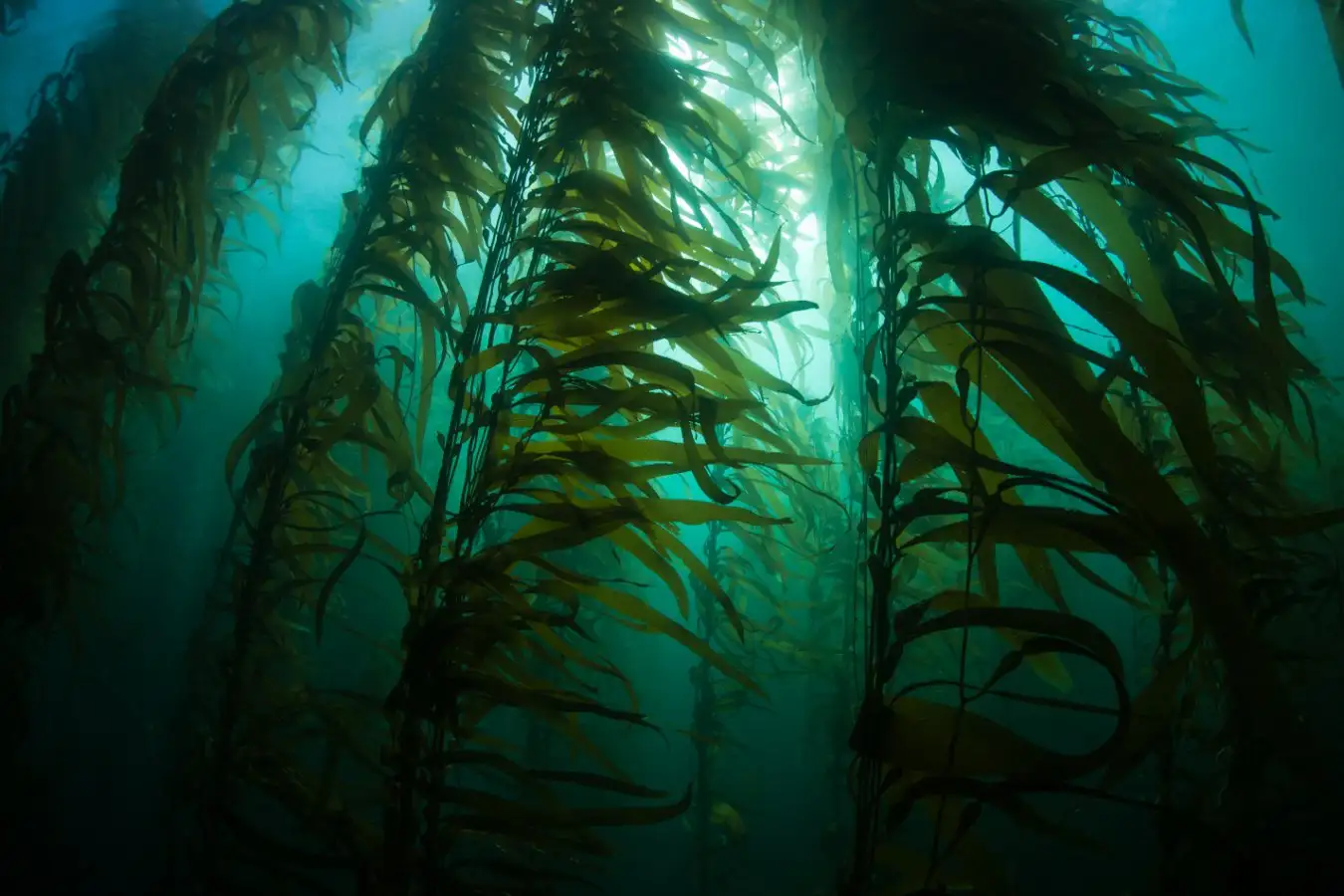
    Giant Kelp Climate Solution

    Giant Kelp: A Climate Savior

    Shutterstock/Ethan Daniels

    Investments in seaweed cultivation for carbon capture have reached tens of millions, promising to mitigate climate change. Yet, potential side effects may hinder significant reductions in atmospheric CO2 levels and could even worsen the situation.

    To meet the Paris Agreement target of limiting global warming to 2°C, effective carbon dioxide removal (CDR) is essential. Some believe that seaweed can provide an economical solution. For instance, the US startup Running Tide secured $70 million to grow seaweed in submerged wooden packs designed to sink and sequester carbon in the deep ocean, but it unfortunately ran out of funding and closed last year.

    Dutch firm Kelp Blue has allocated at least $2 million to expand its seaweed farms in Namibia, aiming to produce sustainable agricultural fertilizer. This seaweed can break down into small particles, drifting into the ocean depths. They claim it could potentially sequester up to 500 million tonnes of CO2 annually.

    However, large-scale seaweed farming can also deplete vital nutrients for phytoplankton, which absorb carbon as they die and sink. Two studies highlighted this concern.

    Dr. Manon Berger of the University of Bern warns, “It could backfire locally. In some areas, we might actually reduce the ocean’s ability to absorb carbon dioxide, which would significantly impact the ecosystem.”

    Macroalgae, excluding sargassum, thrive near coastal regions abundant in nutrients. They utilize dissolved carbon during photosynthesis, enhancing oceanic CO2 absorption.

    Most seaweed is digested or decomposed by marine organisms, generating estimations that it emits roughly 1/90th of the carbon it captures. To enhance carbon sequestration, seaweed would need to be cultivated or transported farther offshore, necessitating packaging or sinking into deeper waters.

    However, nutrient scarcity in open oceans poses a challenge, with most research not addressing iron deficiency that limits seaweed growth. Berger and colleagues developed a model suggesting the cultivation of 20 billion tons of seaweed each year, up to 200 nautical miles from shore.

    The findings indicated that seaweed rapidly depletes nitrogen, phosphorus, and iron, leading to a 95% decrease in growth after 25 years and potentially reducing global phytoplankton blooms by 8%.

    While seaweed farming could theoretically sequester billions of tons of carbon dioxide, the nutrient consumption related to certain seaweed types could lead to half a ton of carbon being added back into the atmosphere for every ton of seaweed grown.

    Models indicate that only about 0.05% of the ocean, off the coasts of Senegal and southern Australia, can support seaweed growth without significantly impacting phytoplankton.

    “With so few potential locations, we cannot cultivate enough seaweed to achieve gigaton-scale carbon removal,” states Berger.

    In a separate study, Andrew Youghal and researchers at the UK’s National Marine Center discovered that fertilizing seaweed cultivation areas with iron could remove up to 40 billion tonnes of CO2 per year. However, this approach would halve plankton populations, severely impacting fish that rely on them.

    “You’re effectively depleting the surface ocean’s nutrients, which harms the natural ecosystem,” warns Yull.

    Additionally, cultivating and submerging this seaweed requires extensive frameworks across 14% of the ocean’s surface, primarily in nutrient-rich but stormy Southern Ocean, North Pacific Ocean, and Atlantic Ocean.

    If insufficient iron exists, the carbon removal potential of seaweed may not offset the decrease in plankton, potentially adding 700 million tons of CO2 annually to the atmosphere.

    “Simply growing macroalgae won’t suffice for CDR without addressing the implications for phytoplankton,” explains Chelsea Baker, another researcher at the UK National Marine Centre.

    Topics:

    This rewritten content maintains its original HTML structure while enhancing its SEO performance with relevant keywords and improved phrasing.

    Source: www.newscientist.com

    Share. Facebook Twitter Pinterest LinkedIn WhatsApp
    Previous ArticleFusive Neurosurgery Restores Mobility in Paralyzed Pigs – Could Humans Be Next?
    Next Article Transformative Brain Changes: What Happens from Your 20s to 40s

    Related Posts

    Science

    Transformative Brain Changes: What Happens from Your 20s to 40s

    Science

    Fusive Neurosurgery Restores Mobility in Paralyzed Pigs – Could Humans Be Next?

    Science

    New Research Challenges Long-Standing Beliefs About Human Ancestors’ Growth Trends

    Science

    Discover the Simple Method to Slow Brain Decline That Most Haven’t Tried

    Science

    How Menopause Transforms Brain Function and What to Expect Post-Menopause

    Science

    New Discoveries Indicate Interstellar Comet 3I/ATLAS Originated 12 Billion Years Ago

    Science

    Breakthrough: Woman with Alzheimer’s Disease Begins Speaking Again After Psilocybin Treatment

    Science

    Discover How Pollen Could Unlock the Longevity Secrets of Heliconius Butterflies

    Add A Comment
    Leave A Reply Cancel Reply

    Stay In Touch
    • Facebook
    • Twitter
    • Instagram
    • Pinterest
    Top Picks
    Science

    Viral Injections Show Promising Results in Halting Pancreatic Cancer Progression in Three Patients

    Scanning Electron Micrograph of Pancreatic Cancer Cells Anne Weston, EM STP, Francis Crick Institute/Science Photo…

    “Espace” presented the new lander “Apex 1.0”

    Jupiter’s Electron Acceleration Near-Light Speed: Unveiling the Origins of Cosmic Rays

    Why Wealthy Individuals with Environmental Values Contribute Most to Carbon Emissions

    The 6 Most Common Poop Problems and Expert Solutions from a Harvard Doctor

    Most Popular
    Science

    How Increasing Individualism is Impacting Modern Love Lives

    Science

    Rapid Melting of Glaciers on the Roof of the World: Causes and Impacts

    Categories
    • AI (13)
    • Gadgets (10)
    • Science (322)
    • Space (9)
    • Technology (37)
    • Wheels (9)
    Our Picks
    Science

    Exploring Ian Watson’s Sci-Fi Classic ‘The Embedding’: A Fascinating Yet Outdated Read

    Technology

    Test flight of an air taxi in Jerusalem

    © 2026 Hitechub.
    • Home
    • About Us
    • Privacy Policy
    • Terms & Conditions

    Type above and press Enter to search. Press Esc to cancel.

    We are using cookies to give you the best experience on our website.

    You can find out more about which cookies we are using or switch them off in .

    Ad Blocker Enabled!
    Ad Blocker Enabled!
    Our website is made possible by displaying online advertisements to our visitors. Please support us by disabling your Ad Blocker.
    Hitechub
    Powered by  GDPR Cookie Compliance
    Privacy Overview

    This website uses cookies so that we can provide you with the best user experience possible. Cookie information is stored in your browser and performs functions such as recognising you when you return to our website and helping our team to understand which sections of the website you find most interesting and useful.

    Strictly Necessary Cookies

    Strictly Necessary Cookie should be enabled at all times so that we can save your preferences for cookie settings.