


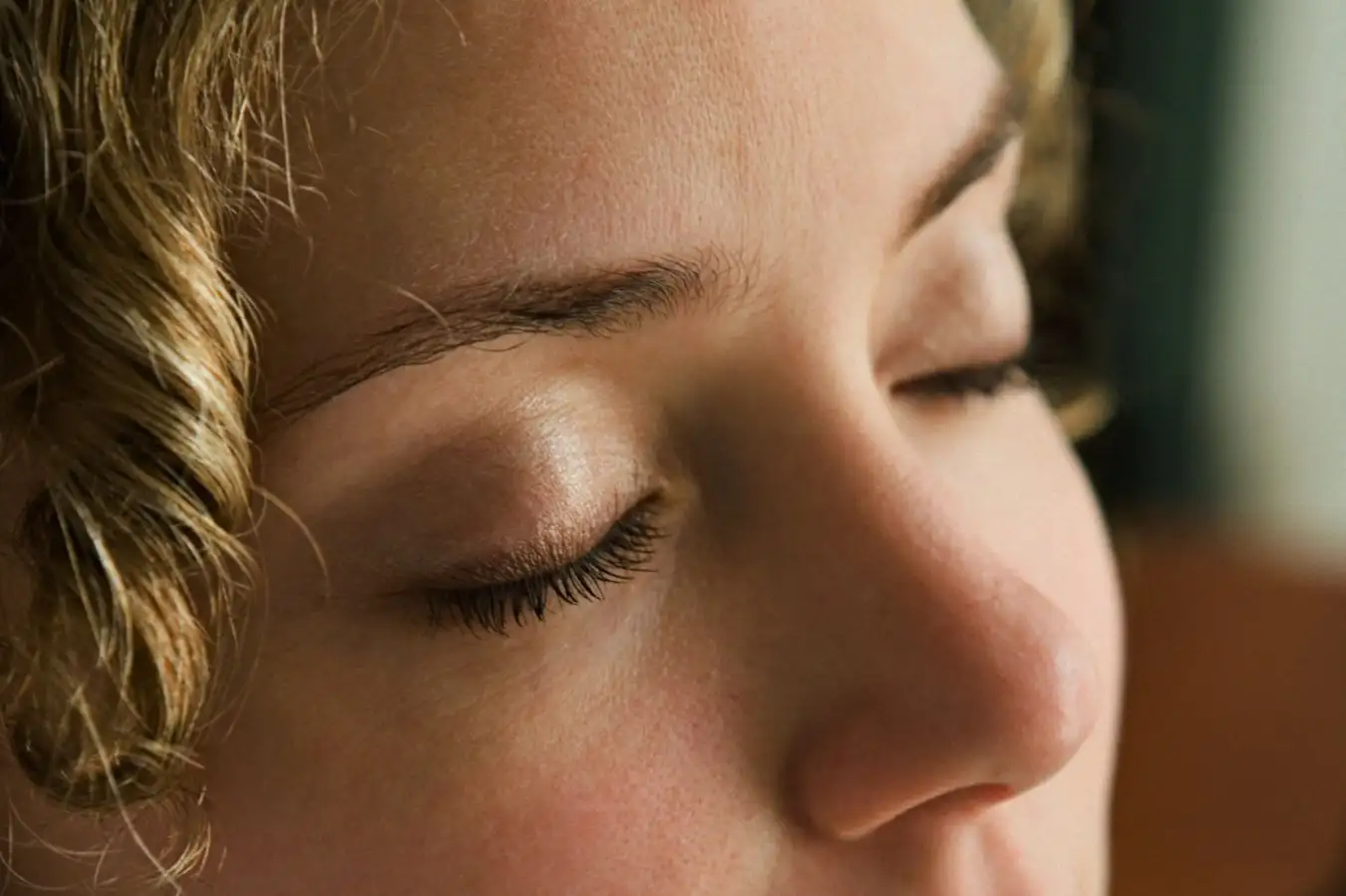
Imagine enjoying the restorative benefits of sleep while staying productive.
Walters Digital UG/Alamy
Imagine a future where you can harness the benefits of sleep without needing to close your eyes. Recent studies show that stimulating specific brain activity in awake mice mimics the advantages of deep sleep, including enhanced memory function.
Vladislav Vyazovsky, a researcher at the University of Oxford, who was not involved in the study, notes, “In theory, it should be possible to replicate these results in humans.” This could lead to artificial methods for inducing similar brain states that provide a refreshed feeling without actual sleep.
Sleep is essential for brain maintenance, aiding in synaptic homeostasis—the brain’s method of organizing the plethora of new neural connections formed daily. This process preserves vital connections while eliminating those that aren’t necessary.
During non-rapid eye movement (NREM) sleep, which constitutes roughly 80% of adult sleep, the brain’s cortex transmits signals in a synchronized manner before deactivating those neurons. Chiara Cirelli from the University of Wisconsin-Madison explains, “This phenomenon, termed slow-wave activity, is linked to synaptic homeostasis and underpins sleep’s restorative role.”
Cirelli and her team investigated whether they could induce a portion of the cerebral cortex into a deep sleep-like state while keeping a person awake. Some animals, like dolphins and seals, naturally exhibit this ability, allowing half of their brains to rest while the other half stays alert and vigilant against threats.
To test this hypothesis, researchers genetically modified mice to control neural activity using light. They kept half the mice awake for five hours with stimulating activities. Toward the end of this session, they activated a light probe for 30 minutes, simulating NREM sleep.
Upon subsequently putting the mice to sleep, brain recordings indicated that the stimulated brain area showed no signs of fatigue typically resulting from sleep deprivation. “This indicates that a part of the brain can reset while awake, reducing the need for additional deep sleep afterward,” explains Cirelli.
Next, the researchers sought to determine if this induced awake sleep could enhance memory. They placed the genetically engineered mice in a box with identical textured carpeting on each side. After a 15-minute exploration, the mice were divided into groups: one experiencing a sleep stimulus, another given an hour without sleep, and a third receiving the artificial deep sleep stimulus.
The following day, mice returned to the box, but one side featured a new texture. Natural curiosity led the researchers to measure how well they remembered their previous environment by tracking the time spent in the new area. Results indicated that the unstimulated, sleep-deprived mice struggled to differentiate between the old and new sides, while the sleep group and those receiving stimulation spent significantly more time exploring the new side.
Moving forward, the research team intends to explore if similar outcomes can be achieved in humans through non-invasive methods like transcranial electrical stimulation. However, Vyazovsky cautions that while exciting, it’s unlikely that any intervention could fully replace the necessity for sleep, noting “There are two distinct types of sleep: NREM and REM [rapid eye movement], and we still lack an understanding of how these states transition to complete a sleep cycle.”
Topics:
This version maintains the HTML formatting while optimizing the content for SEO with relevant keywords and improved readability.
Source: www.newscientist.com