


Close Menu
HitechubHitechub
    What's Hot
    Science

    As Africa Splits in Two, Magma Surge Accelerates – Insights from Sciworthy

    Technology

    How much does it really cost to make an iPhone?

    Science

    The Mona Lisa reveals another secret

    Important Pages:
    • About Us
    • Privacy Policy
    • Terms & Conditions
    Facebook X (Twitter) Instagram Pinterest
    Facebook X (Twitter) Instagram
    HitechubHitechub
    Tuesday, June 16
    • Technology
      1. AI
      2. Gadgets
      3. View All

      This is the most popular CEO in the world

      Sectors in which “Chat-GPT” is most often used

      AI Pioneer Expresses Concern About Potential for AI to Surpass Humanity

      Artificial intelligence has begun to “swallow” professions

      What’s new in Android 14

      Europeans have about 700 million old mobile phones in their drawers

      Here’s how you can tell if your phone is being tapped

      “Sneaker X” – computer case in the shape of a sneaker

      Russian Gamers Unite to Prevent Nuclear War: Join the Fight Online

      Challenges of Space Travel: Why Journeying to Space is So Difficult

      NASA Astronaut Casts Historic Vote from Space

      Discover the Future of Comfort: What If You Could Wear a Chair?

    • Science
      1. Space
      2. Wheels
      3. View All

      Galaxies in the universe are growing more slowly than they should

      “Espace” presented the new lander “Apex 1.0”

      The largest asteroid sample ever collected has arrived on Earth

      (VIDEO) Incredible flight of the Parker Solar Probe

      Toyota wants to make a new generation battery with a range of up to 1,200 km

      Meet Toyota’s lunar “baby” that could make exploring the Moon easier

      Microlino – Is this the perfect city car?

      Alfa Romeo 4C gets an electric successor

      Exploring Social Media Bans: How Researchers Will Study Their Impact

      NASA Launches Nancy Grace Roman Space Telescope: Fastest Space Scans in History Await

      Magnetic Properties of Sperm: Enhancing In Vitro Fertilization Within the Body

      7 Common Autism Myths Experts Urge You to Stop Believing

    HitechubHitechub
    Home » Exploring Social Media Bans: How Researchers Will Study Their Impact
    Science

    Exploring Social Media Bans: How Researchers Will Study Their Impact

    Share Facebook Twitter Pinterest WhatsApp
    Share
    Facebook Twitter LinkedIn Pinterest WhatsApp
    Impact of Social Media Ban on Youth

    Impact of Social Media Ban for Young People

    Anna Barclay/Getty Images

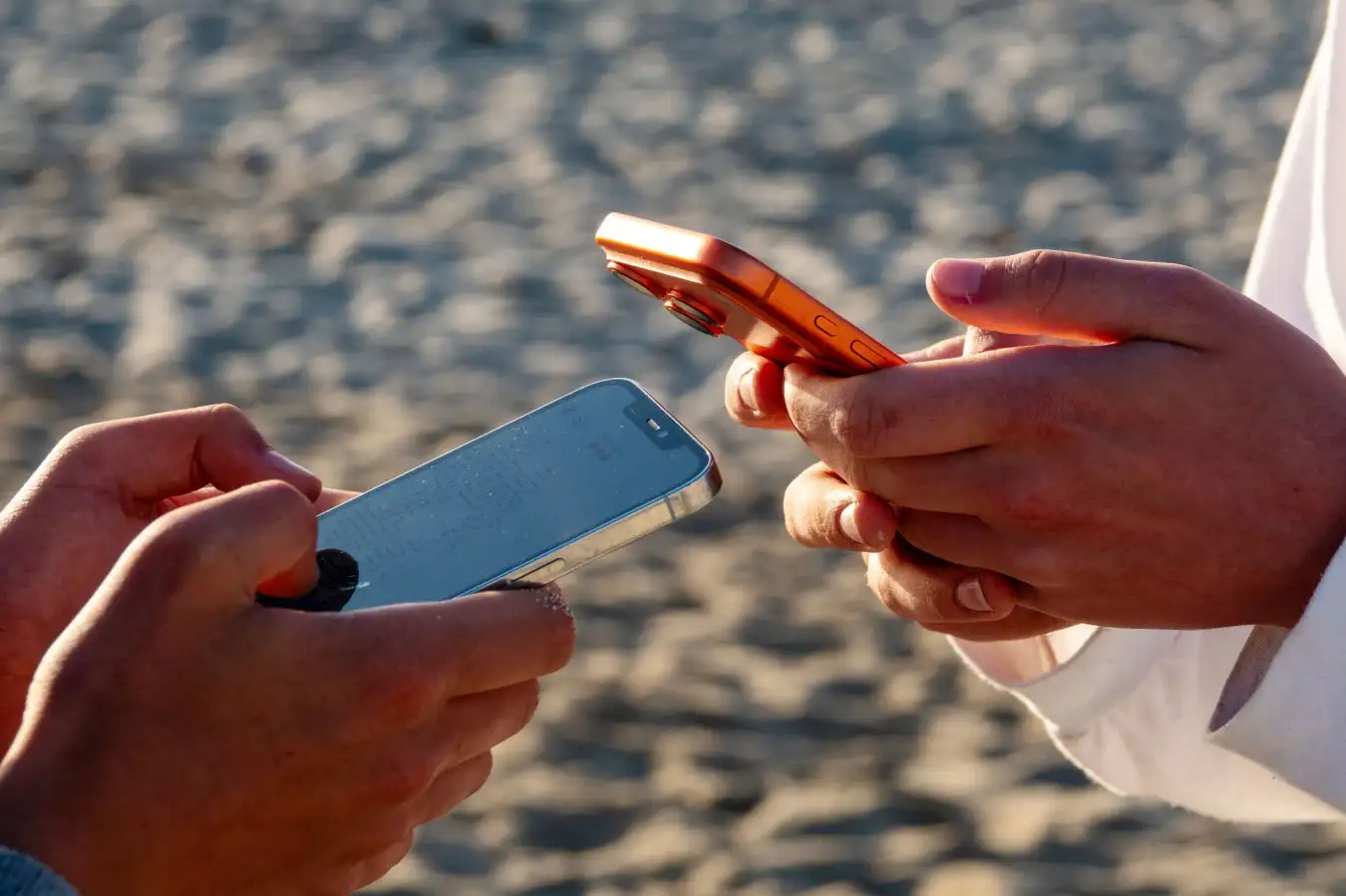
    The UK government plans to implement a ban on social media for children under 16, mirroring a policy initiated in Australia in 2025. This decision prioritizes children’s mental health over the interests of tech companies. But how will researchers assess the effectiveness of this ban?

    “There’s currently no evidence to support the outcome,” says Pete Etchells, a professor at Bath Spa University. His team is collaborating with Australian officials to analyze the ban’s effects and advise the UK government on potential strategies. “We’re treading on new ground.”

    The Wellcome Trust is leading the UK research efforts, actively engaged in an in-person trial in Bradford. They have enlisted about 4,000 participants aged 12 to 15 from 10 schools and installed an app to monitor social media use. For half of the children, the app restricts access to select social platforms. Initial findings are slated for release mid-next year, following the enforcement of the ban. Katherine Sebastian from the Wellcome Trust emphasizes that the results will provide valuable insights for policy formulation.

    This initiative aims to enhance existing research methodologies that often depend on self-reported data, like parents and children estimating social media usage, rather than objective assessments. There’s a notable absence of intervention studies in this domain, often limited in duration. “Substantial changes in mental health won’t manifest in just two weeks,” warns Etchells.

    Australia’s ban, implemented in December, is too recent for long-term evaluation. Once a national ban is enacted, conducting controlled studies to compare user experiences becomes impractical. Furthermore, discerning other societal influences complicates the data analysis from large-scale research before and after the ban’s implementation.


    Currently, Sebastian is strategizing further studies, optimistic about observing results shortly after the ban’s enforcement. A parliamentary bill is set to be introduced before Christmas, with anticipated implementation in early 2027.

    The Wellcome Trust is inviting 14 research teams to submit plans examining the social media impact on young people’s well-being, with many expected to receive funding. Diverse research approaches aim to compile extensive data to yield comprehensive conclusions.

    Some studies will monitor existing cohorts, regularly evaluating their mental health and well-being before and following the ban. Sebastian notes that while these methods can offer insights, they are often restrictive. Other proposals suggest immediate assessments through text surveys to gather real-time data. Additionally, analyzing existing records, such as hospitalization and absenteeism rates, may provide further insights.

    Sebastian expresses hope that we will obtain meaningful results relatively soon after the ban. However, outcomes may vary significantly; some benefits from the social media ban exist, but the immediate fallout could be challenging due to the loss of online support networks.

    The impact of this ban could evolve over years, as today’s youth transition to adulthood without social media exposure. “This is still unfolding,” states Sebastian, highlighting that policies may adapt as findings from their studies will inform future adjustments.

    Meanwhile, some experts remain skeptical of the UK government’s approach to addressing youth mental health, citing the lack of robust data. Holly Bear from Oxford University emphasized that a universal age restriction is a “blunt instrument,” requiring more nuanced evidence. She noted that Wellcome’s research provides a much-needed opportunity to determine the efficacy of these measures.

    Concerns exist regarding the potential to circumvent the ban; preliminary reports suggest that age verification technology might be tricked using screenshots, while VPNs allow users to access platforms from countries that don’t enforce age limits.

    Data from the Molly Rose Foundation revealed that 61% of Australian children aged 12 to 15 had accounts on restricted platforms before the ban. As noted, it would be a “high-stakes gamble” for the UK to adopt a similar ban at this point, given these findings. Access to such platforms remains widespread.

    For anyone needing support, contact the British Samaritans at 116123 (samaritans.org) or the US Suicide and Crisis Lifeline at 988 (988lifeline.org). For resources in other countries, visit bit.ly/SuicideHelplines.

    Topic:

    Source: www.newscientist.com

    Share. Facebook Twitter Pinterest LinkedIn WhatsApp
    Previous ArticleNASA Launches Nancy Grace Roman Space Telescope: Fastest Space Scans in History Await

    Related Posts

    Science

    NASA Launches Nancy Grace Roman Space Telescope: Fastest Space Scans in History Await

    Science

    Magnetic Properties of Sperm: Enhancing In Vitro Fertilization Within the Body

    Science

    7 Common Autism Myths Experts Urge You to Stop Believing

    Science

    Significant Fossils Discovered in Chinese Cave Reveal Key Insights into Gigantopithecus Black History

    Science

    Breakthrough Copper-Based Drug Fights Alzheimer’s Plaques and Enhances Memory in Mice

    Science

    Discovering New Marsupial Lineage: Insights from Australian Fossils

    Science

    Easy Trick to Prevent Carsickness for Everyone

    Science

    How Eliminating Sucrose from a Low-Fat Diet Affects Gut Microbiome: Insights from Animal Research

    Add A Comment
    Leave A Reply Cancel Reply

    Stay In Touch
    • Facebook
    • Twitter
    • Instagram
    • Pinterest
    Top Picks
    AI

    The unusual robot conductor of a concert in Seoul

    A very unusual robot conductor recently stood in front of the National Orchestra of Korea in Seoul.

    Unraveling Mysterious Galactic Signals: New Breakthroughs in Decoding Alien Messages

    21 Gray Whales Found Dead in 3 Months: Understanding the Surge of Carcasses on Pacific Beaches

    Unlocking Multitasking: How Science Reveals Your Brain’s Potential with Practice

    This is the future of processors!

    Most Popular
    Science

    After a Decade of Research, Scientists Uncover East Asia’s Tallest Tree

    Science

    Newly Discovered Microraptorin Dinosaur Species Unveiled in China

    Categories
    • AI (13)
    • Gadgets (10)
    • Science (244)
    • Space (9)
    • Technology (37)
    • Wheels (9)
    Our Picks
    Science

    Hurricane Season Kicks Off: Below-Average Forecast Highlights First Time in a Decade

    Science

    Exploring the Quantum Illusion of Time Through the World of Toys

    © 2026 Hitechub.
    • Home
    • About Us
    • Privacy Policy
    • Terms & Conditions

    Type above and press Enter to search. Press Esc to cancel.

    We are using cookies to give you the best experience on our website.

    You can find out more about which cookies we are using or switch them off in .

    Ad Blocker Enabled!
    Ad Blocker Enabled!
    Our website is made possible by displaying online advertisements to our visitors. Please support us by disabling your Ad Blocker.
    Hitechub
    Powered by  GDPR Cookie Compliance
    Privacy Overview

    This website uses cookies so that we can provide you with the best user experience possible. Cookie information is stored in your browser and performs functions such as recognising you when you return to our website and helping our team to understand which sections of the website you find most interesting and useful.

    Strictly Necessary Cookies

    Strictly Necessary Cookie should be enabled at all times so that we can save your preferences for cookie settings.