


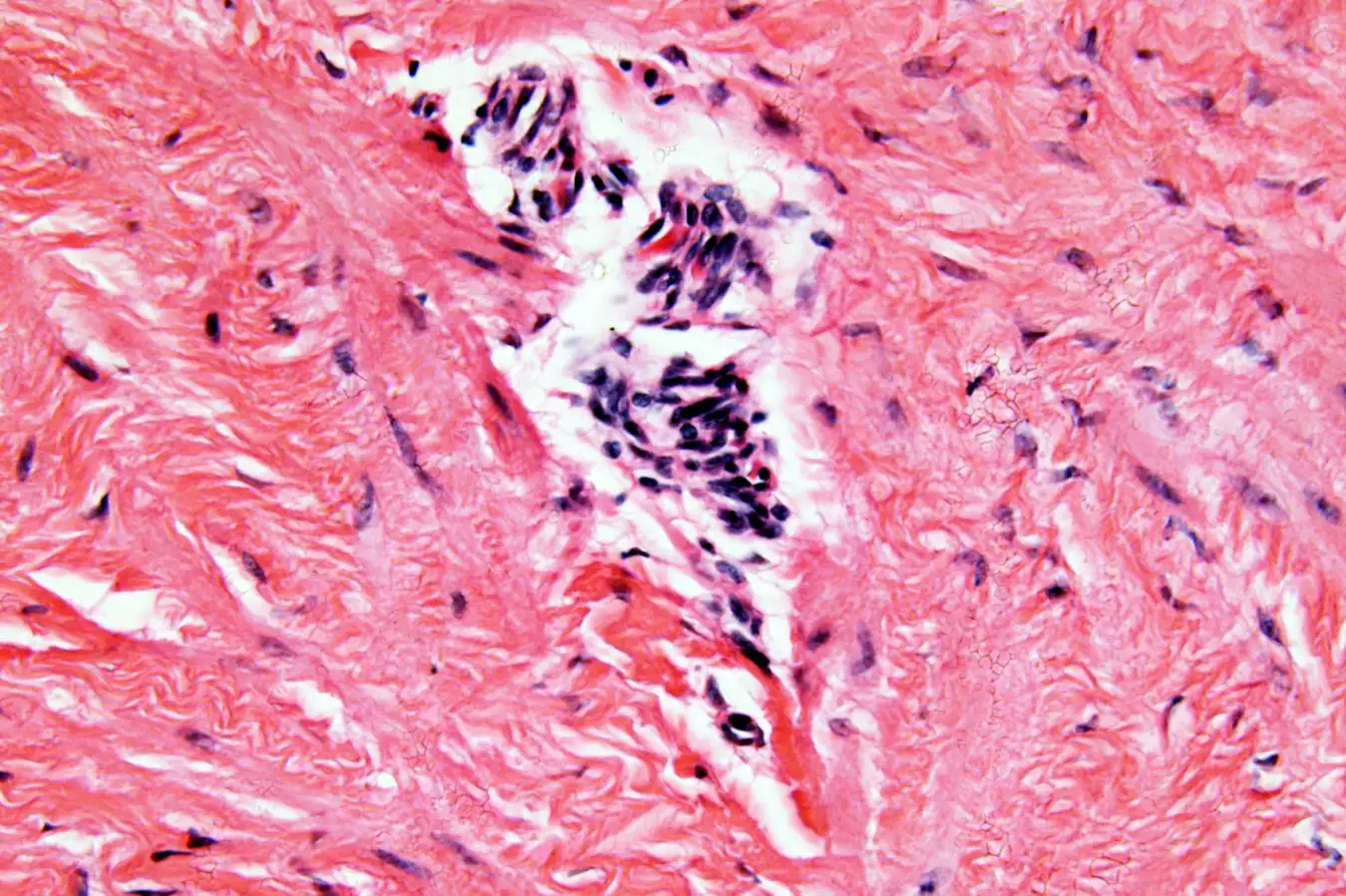
Light Micrograph of an Ovary: Cysts Induced by Endometriosis
Science Photo Library
Recent studies on endometriosis have revealed significant insights into its biological mechanisms, potentially leading to enhanced treatment options. This comprehensive research included data from over one million women and identified specific genes linked to endometriosis in African descent populations, who are often overlooked in this field.
“We discovered around 300 genes that warrant further exploration,” states Shefali Setia Verma from the University of Pennsylvania.
Endometriosis is a chronic condition characterized by the growth of tissue similar to the endometrium in locations outside the uterus, affecting 10% of women of reproductive age. This condition can cause fatigue, intense pain, and fertility challenges, and has links to cardiovascular disease, though the underlying biological mechanisms remain to be fully understood.
To better understand these relationships, Setia-Verma and her team employed a “multi-omics” approach, integrating analyses of genes, proteins, the microbiome, and symptoms of endometriosis to create a holistic view of the disorder. Their research analyzed data from 14 global biobanks, collectively representing over one million women.
The initial findings identified 58 genomic regions associated with endometriosis, 27 of which were previously unidentified. A more granular examination revealed 314 genes linked to its progression, including three genetic regions exclusive to individuals of African ancestry.
The majority of genes associated with endometriosis are related to immune responses, inflammation, and cell motility. This is particularly intriguing as it indicates that endometriosis is not merely a case of misplaced tissue but also involves cellular processes allowing abnormal growth. “This could lead to targeted therapies focusing on regulating cell movement,” suggests Setia Verma.
The connection to inflammation and the immune system may elucidate the broader health impacts of endometriosis, including its associations with cardiovascular issues and psychological disorders such as arthritis and depression. Dr. Setia Verma notes, “In untreated cases, systemic inflammation can persist for years, leading to various long-term symptoms.” For instance, in the UK, average diagnosis times can extend to nine years.
These findings suggest new avenues for treatment as current therapies predominantly target hormonal pathways linked to estrogen, which exacerbates lesion growth and inflammation. If inflammation underpins various symptoms, focusing on inflammatory pathways with existing medications may yield improved outcomes, according to Setia Verma.
The research team also established links between endometriosis, cardiovascular disease, and lipid metabolism. “This highlights a potential increased risk for cardiovascular complications among individuals with endometriosis,” asserts Setia Verma.
Notably, individuals with endometriosis show lower levels of Bifidobacteria, beneficial bacteria that support gut health and immune function. “This observation sheds light on how endometriosis may affect overall health beyond reproductive risks,” Setia-Verma explains. Further investigations into the role of Bifidobacteriaceae could identify new therapeutic targets.
A key aspect of this research is the inclusion of diverse ancestry groups. Most endometriosis studies have primarily focused on European populations, restricting the applicability of findings and perpetuating disparities in women’s health research. “Such efforts are crucial in ensuring that advancements in endometriosis research serve all communities,” emphasizes Nilfel Ramioglu of Oxford University.
However, further research is essential for definitive conclusions. “While the study identifies biological pathways for future inquiry, it does not, on its own, guarantee that targeting these pathways will improve patient outcomes,” she cautioned.
Topics:
Source: www.newscientist.com