


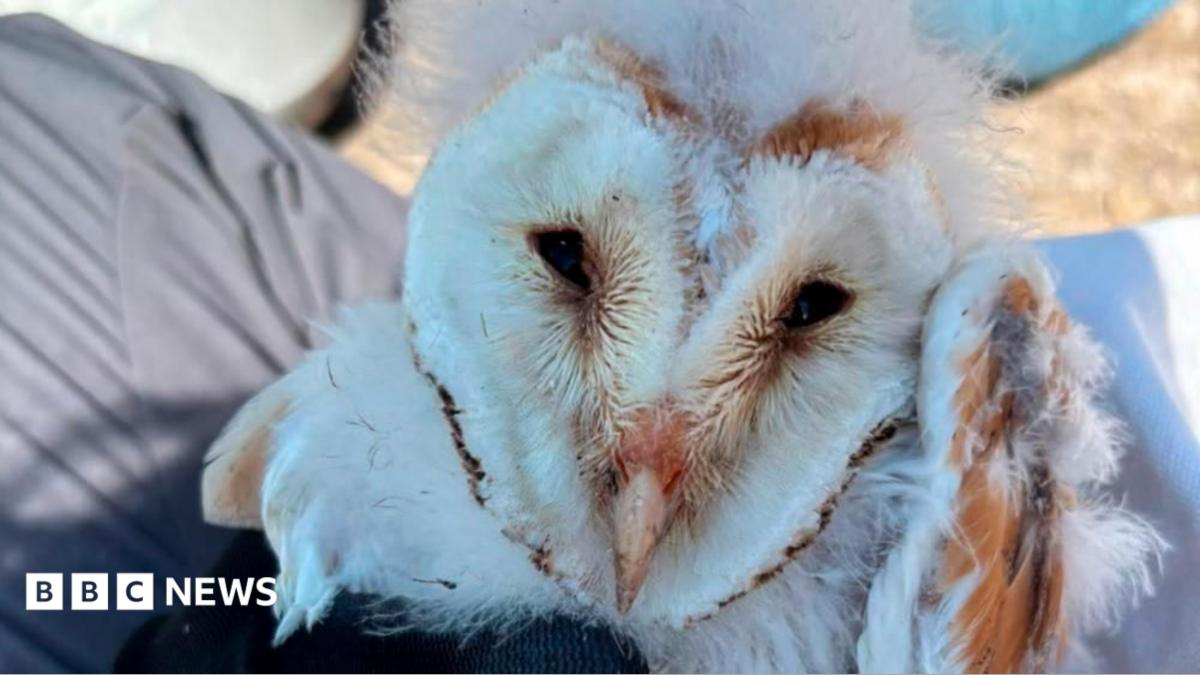
Barn owl numbers have fallen sharply across the UK over the past 50 years, making conservation action increasingly important.
The barn owl is now classed as critically endangered on the Red List, with habitat loss and pesticide use among the main threats to its survival.
Bell has played an active role in projects designed to protect barn owls and restore suitable habitats across the countryside.
“Barn owls face a huge number of challenges,” Bell said.
“They can be poisoned by rat poison, lose the mature trees they use for nesting and see the hedgerows and rough grassland they rely on for hunting disappear. They are also at risk from traffic on our roads.
“Creating a safe haven for barn owls here is one of the most practical ways we can support them and help protect the species.”
The project’s safe havens include specially designed barn owl nest boxes. These boxes replicate the tree cavities the birds traditionally use, which are becoming increasingly rare in the UK countryside.
Each nest box is built with a design that helps prevent rainwater from entering, keeping the eggs and chicks dry and protected.
Conservationists can also inspect the boxes to monitor nesting barn owls, check for chicks and assess their health.
A platform at the front of each box gives young barn owls space to exercise and practise flying before they leave the nest.
Mr Bell said he has a “long list” of farmers waiting to have barn owl nest boxes installed on their land.
“Barn owls are valuable allies for farmers because they help control rodents naturally. Having them on your farm means they can help reduce rat and mouse numbers without additional cost.
“They feed on rats, mice and other small animals found around farmland.
“They work in harmony with farmers and provide an important natural pest-control service, which is a real benefit for everyone.”
Source: www.bbc.co.uk