


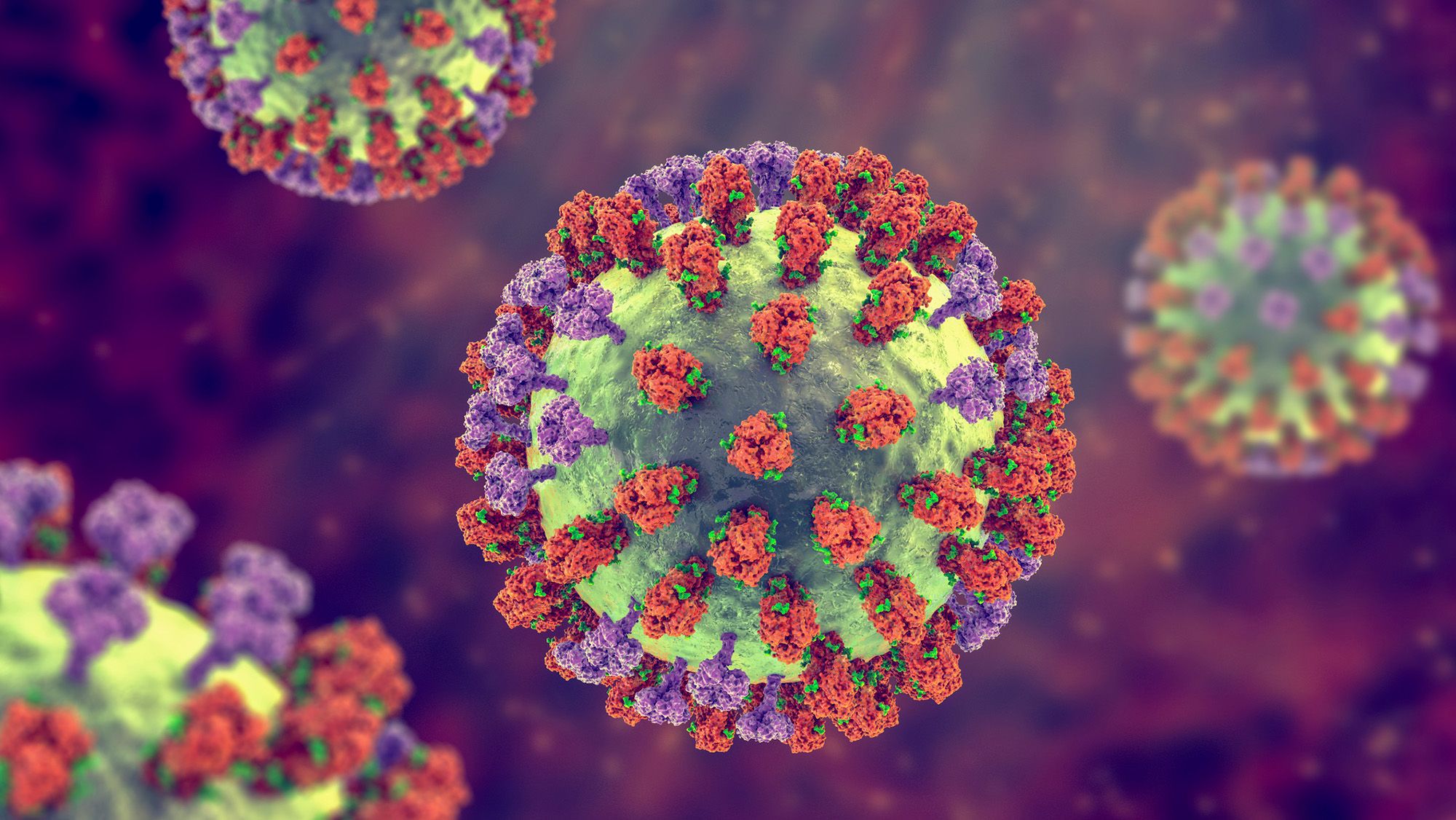
Flu Season Is Starting Early in Parts of the U.S.—and H1N1 Is Leading the Rise
Influenza activity remains low overall but is increasing, with early signs appearing primarily in Western states. Experts say an early start does not necessarily mean the U.S. is headed for a severe flu season.
Influenza activity in the United States typically begins in late fall, usually in October or November, and peaks between December and February. This year, however, flu activity is already increasing in some parts of the country.
During the week ending September 26, 3.4% of respiratory samples tested by clinical laboratories were positive for influenza, according to Centers for Disease Control and Prevention (CDC) data. That is about seven times higher than at the same point last year, when approximately 0.5% of samples tested positive during the week ending September 27, 2025.
Flu cases are rising first in Western states
Initial increases in influenza activity are occurring primarily in Western states, including Washington, California and Arizona.
In Washington, the percentage of emergency department visits associated with influenza rose from 0.25% during the week ending August 29 to 1.34% during the week ending October 3. That represents more than a fivefold increase in six weeks, according to CDC emergency department data.
“This year especially, it seems like it’s starting as early as it is now,” Dr. William Schaffner, professor of preventive medicine and infectious diseases at Vanderbilt Health in Tennessee, told Live Science. Schaffner said patients at his local clinic have already tested positive for influenza.
Still, the location of the first increase is not necessarily a warning sign.
“There’s nothing unusual about influenza starting on the West Coast and moving east,” Schaffner said. Although recent flu seasons have often begun in the Southeast and Midwest, influenza “could start just about anywhere,” he noted.
H1N1 is currently the leading flu strain
Seasonal influenza is currently caused by three main types of influenza viruses: two influenza A subtypes, H1N1 and H3N2, and the Victoria strain of influenza B. One branch of the influenza B family tree is now considered extinct and will not be included in future U.S. flu vaccines.
Last season, a rapidly spreading version of H3N2 known as subclade K dominated. The CDC has described the 2025–2026 season as particularly difficult for children, with 195 children reported to have died from influenza-related causes.
Influenza A generally causes the largest outbreaks early in the season, while influenza B tends to “smolder over time” and account for more cases later in the season, Schaffner said.
So far this year, H1N1 is in the lead. During the week ending September 26, 96% of influenza A specimens subtyped by public health laboratories were identified as H1N1, according to CDC data.
That percentage is only a snapshot of current flu activity and does not mean H1N1 will dominate for the entire season.
The dominant strain matters because influenza is constantly changing. “It’s a moving target,” said Dr. Paul Offit, director of the Vaccine Education Center at Children’s Hospital of Philadelphia.
Influenza viruses frequently mutate, particularly in hemagglutinin, a surface protein that helps the virus attach to human cells. Hemagglutinin is also the primary target of influenza vaccines.
Does an early flu season mean a severe season?
Not necessarily. An early start does not automatically mean the season will be unusually severe. In its outlook for the 2026–2027 season, the CDC predicted that the season is likely to be mild, although confidence in that prediction is only low to moderate.
It may take several more weeks to determine whether the early increase develops into a major flu season. Weekly CDC surveillance reports will show whether influenza activity continues to rise and spreads beyond the West.
When should you get a flu shot?
The CDC recommends that everyone 6 months of age and older receive an influenza vaccine every year. Influenza vaccination is especially important for children younger than 5, adults 65 and older, pregnant people and those with chronic medical conditions, because these groups are more likely to develop serious complications.
Severe influenza can lead to pneumonia, sepsis, inflammation of the brain and heart, and death. Seasonal influenza epidemics in the United States cause tens of thousands of deaths.
The CDC generally does not recommend that most adults get vaccinated in July or August because protection may wane during the flu season. With influenza activity appearing early this year, October is “a great time to get vaccinated, and even more so now,” Schaffner said.
It can take up to about two weeks for protection to reach full strength after vaccination.
The CDC’s 2026–2027 guidance maintains the recommendation for annual influenza vaccination for everyone 6 months and older. Higher-dose or adjuvanted vaccines are preferred for adults 65 and older. Adjuvanted vaccines contain additional ingredients that help activate the immune system.
How effective is the flu vaccine?
Flu vaccine effectiveness varies from season to season and depends partly on how closely the vaccine matches the influenza strains in circulation. Over the past decade, vaccination has been 29% to 56% effective at preventing influenza cases that lead people to seek medical care, according to CDC estimates.
If the circulating strain differs substantially from the strains targeted by the vaccine, the season may be more difficult, Offit said. However, it is still too early to know how well this year’s vaccine matches the viruses currently circulating.
Schaffner noted that flu vaccination may be less reliable at preventing mild illness but is most effective at reducing the risk of hospitalization, intensive care and death.
New mRNA flu vaccine option
The Food and Drug Administration approved mFlusiva in August as the first mRNA influenza vaccine for adults ages 50 and older. People can use the Moderna vaccine finder to check availability.
Traditional flu shots contain purified parts of the virus. mRNA vaccines instead provide genetic instructions that tell the body’s cells how to make targeted proteins. In mFlusiva’s case, those instructions code for hemagglutinin from each of the three influenza subtypes. The mRNA is then broken down in the body and does not alter a person’s genetic material.
Image credit: andreswd via Getty Images
This article is for informational purposes only and does not provide medical advice.
Source: www.livescience.com