


Immune System Clue to Healthy Aging: Granzyme K-to-B Balance Linked to Disease Risk
Two people born on the exact same day can age very differently. One may remain relatively healthy, while the other develops a chronic illness. Scientists have now identified important differences in the immune systems of people who are more susceptible to age-related conditions—findings that may help explain why some people stay healthy longer.
How the immune system changes with age
The immune systems of young people contain many naive immune cells, including T cells, a type of white blood cell. Over time, exposure to pathogens and vaccinations can cause some T cells to become memory cells. These cells can respond quickly when the body encounters a familiar threat.
Memory cells produce different types of proteins called granzymes. These proteins can kill infected cells and include Granzyme K and Granzyme B.
Granzyme K and Granzyme B may be linked to healthy aging
The new study, published Friday, October 9, in the journal Immunity, found that people with more Granzyme K-producing cells relative to Granzyme B-producing cells tended to age more healthily.
In the future, the balance between Granzyme K- and Granzyme B-producing cells in a person’s blood could potentially help determine “whether we are on the right track for aging,” study co-author Maxim Artyomov, an immunologist at Washington University in St. Louis, told Live Science.
What the researchers found
Previous research from the same team found that Granzyme K-producing cells accumulate in several tissues of older laboratory mice and are associated with inflammation. The researchers also observed an increase in Granzyme K cells in blood samples from older adults.
For the new study, researchers analyzed immune cells from more than 2,600 people between the ages of 18 and 97. They examined the balance between cells that produce Granzyme K and those that produce Granzyme B.
People with lower ratios of Granzyme K-producing cells to Granzyme B-producing cells were more likely to have autoimmune diseases and other chronic immune-related conditions.
The researchers then analyzed immune cells and blood-derived proteins from 329 people. This allowed them to identify a “protein signature” associated with abundant Granzyme B-producing cells.
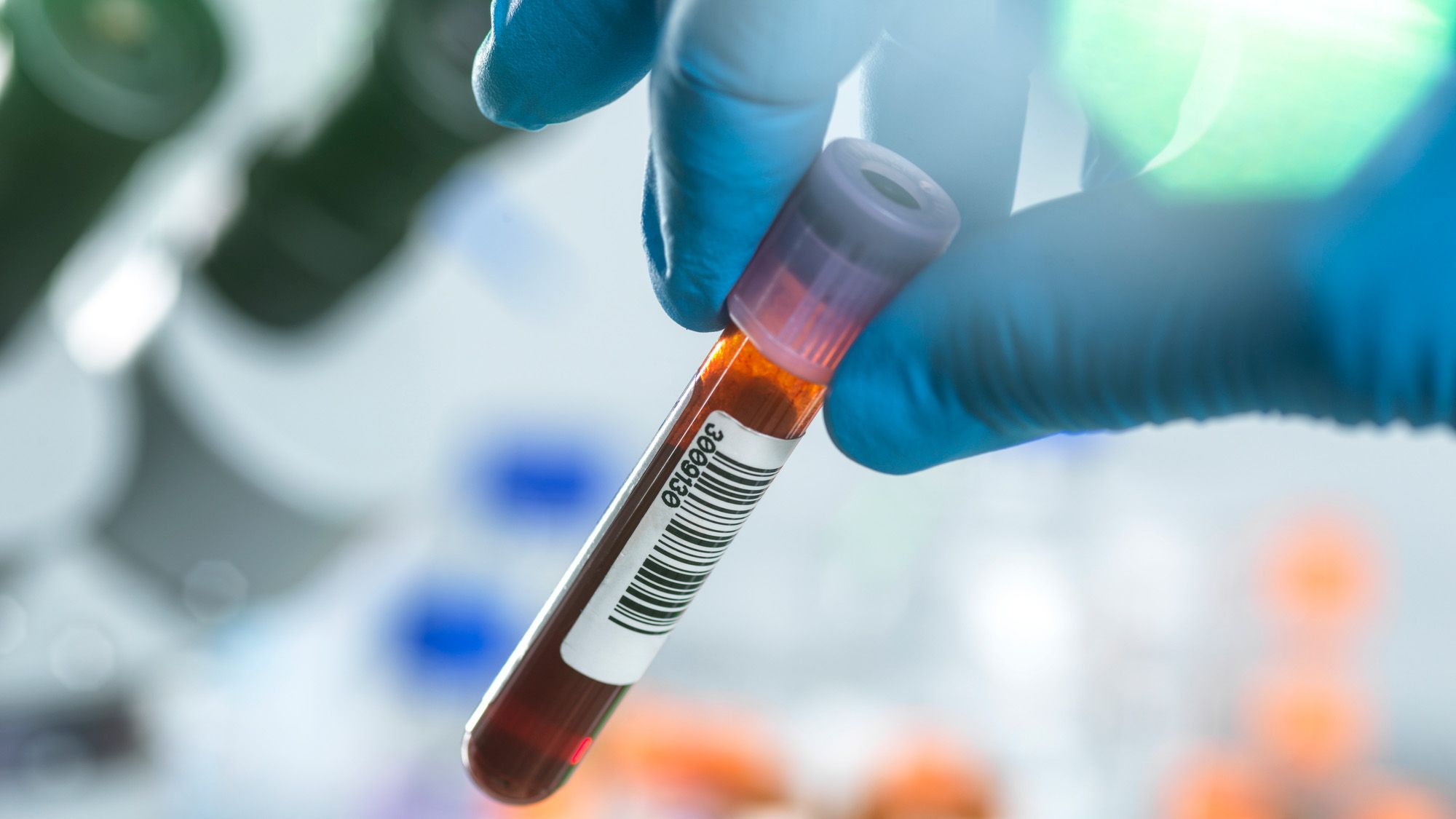
The balance of cells that produce different granzymes may be important to how the immune system functions as we age.
Image credit: RUSLANAS BARANAUSKAS/SCIENCE PHOTO LIBRARY, Getty Images
The researchers also examined data from approximately 48,000 participants in the UK Biobank, a large database of adult health information. Over the following 17 years, people predicted to have higher levels of Granzyme B-producing cells, based on their blood proteins, had worse health outcomes and a higher risk of death. They also had increased risks of conditions including diabetes, high blood pressure, liver disease and kidney disease.
A possible marker of immunosenescence
The findings may reveal a previously unrecognized aspect of immunosenescence—the gradual changes and decline in immune function that occur with age.
“This highlights that there may be new biology that we haven’t really observed before,” immunologist Claire Gustafsson of the Allen Institute, who was not involved in the study, told Live Science.
The study does not prove cause and effect
Although the balance of these immune cell populations was strongly associated with disease risk, the study does not prove that the ratio directly causes poor health. More research is needed to determine why increased numbers of Granzyme B-producing cells are linked to worse outcomes.
“This observation may not be the cause of the disease, but only a consequence,” Artyomov said.
The researchers also cautioned that Granzyme K-producing cells in mice are not the same as Granzyme K-producing cells in humans. In mice, these cells represent a more mature and specialized stage of immune cell development. In humans, Granzyme B-producing cells fit that description more closely.
This difference points to an important distinction between mouse and human immunity that may have been underestimated. When scientists compare these cells across species, “we’re not comparing apples to apples,” Gustafsson said.
The findings therefore need to be studied further in humans, particularly because they are not reflected in animal models. Immune cell characteristics may also vary among different human populations. More data will be needed to determine whether the Granzyme K-to-B ratio is a universal marker of immune health and to explain why it is associated with healthy or unhealthy aging.
“This is kind of the first step to getting there,” Gustafsson said.
This article is for informational purposes only and does not provide medical advice.
Source: www.livescience.com