


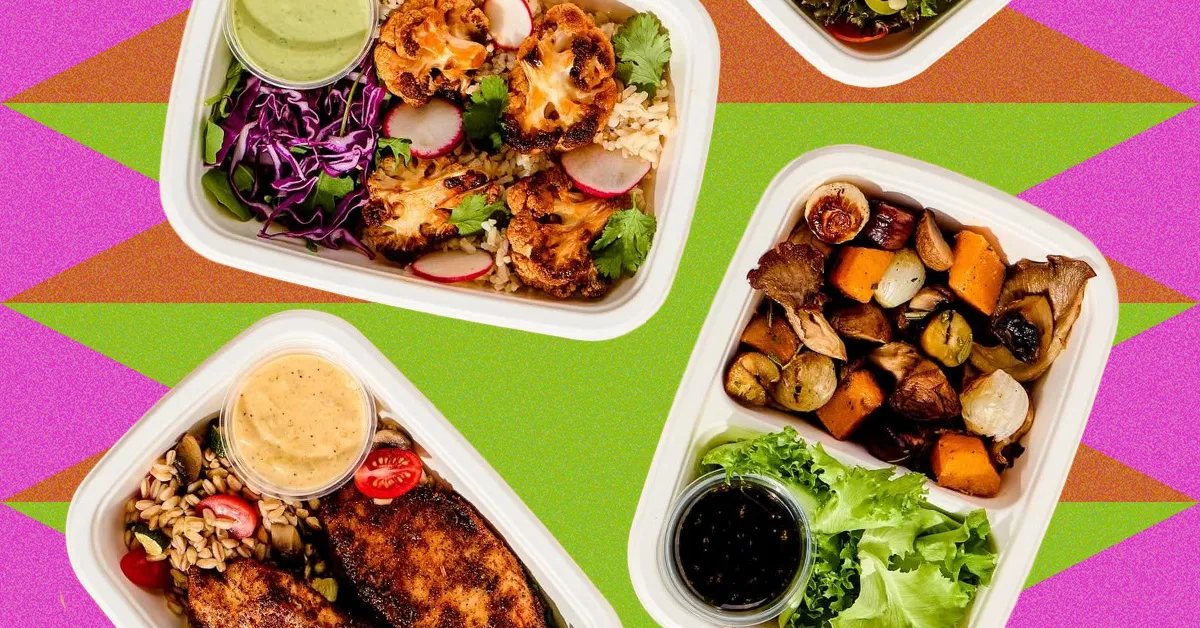
Despite its affordable prices, Raj’s Indian meals consistently taste better than the Punjabi restaurant near my home, which is far less impressive. The dishes use less sugar, offer richer flavor, and pair saffron-infused basmati rice with juicy, tender chicken that is never overcooked. Raj’s Indian gravy is one of the strongest reasons I would order CookUnity again. In Portland, some of the best Indian food is often found in the suburbs, requiring a 30-minute drive.
However, larger meal selections are currently available only through the Seattle hub. Customers in Los Angeles, Atlanta, and other cities may find local chefs who make an equally strong case for CookUnity. The experience can vary by location.
CookUnity’s Meal Quality Can Vary by Location
CookUnity’s biggest advantage is its network of regional hubs, which allows the prepared meal delivery service to work with local chefs and kitchens. That local approach is also a potential drawback because every hub has a different chef roster, menu, and level of variety.
A positive experience at the Seattle hub does not necessarily guarantee the same results elsewhere. Meals may be prepared in different kitchens, even when the same chef’s name and photo appear on the packaging. Some chefs oversee four or five kitchens, and identical recipes can taste different depending on where they are prepared. We also received varying results from meals associated with the same chef. My comments reflect my experience, along with the experience of my colleague Lauryn Strampe, who ordered from CookUnity’s Chicago hub.
CookUnity offers a wider calorie range than many prepared meal delivery services. Still, higher-calorie dishes often contain more carbohydrates, including rice, noodles, and pasta. Customers seeking meals centered on protein and vegetables can find plenty of options, although those portions are typically more modest. As with any food service, ingredient costs matter—and starches are relatively inexpensive.
There is still good reason to believe that CookUnity’s other regional hubs can deliver flavorful, satisfying meals. Much of that confidence comes from the company’s business model, which encourages strong competition among chefs.
Each CookUnity chef creates ready-to-eat meals while operating within a larger commissary kitchen. Their name appears on every package, and many chefs have restaurants or professional reputations to maintain. That creates a meaningful incentive to make each meal distinctive, appealing, and delicious. Based on my experience, that competitive model appears to work.
love wired? Add us as a preferred source on Google To see more of us.
Source: www.wired.com